When Your Child Bites: Why It Happens and How to Respond at Home, Nursery and Preschool
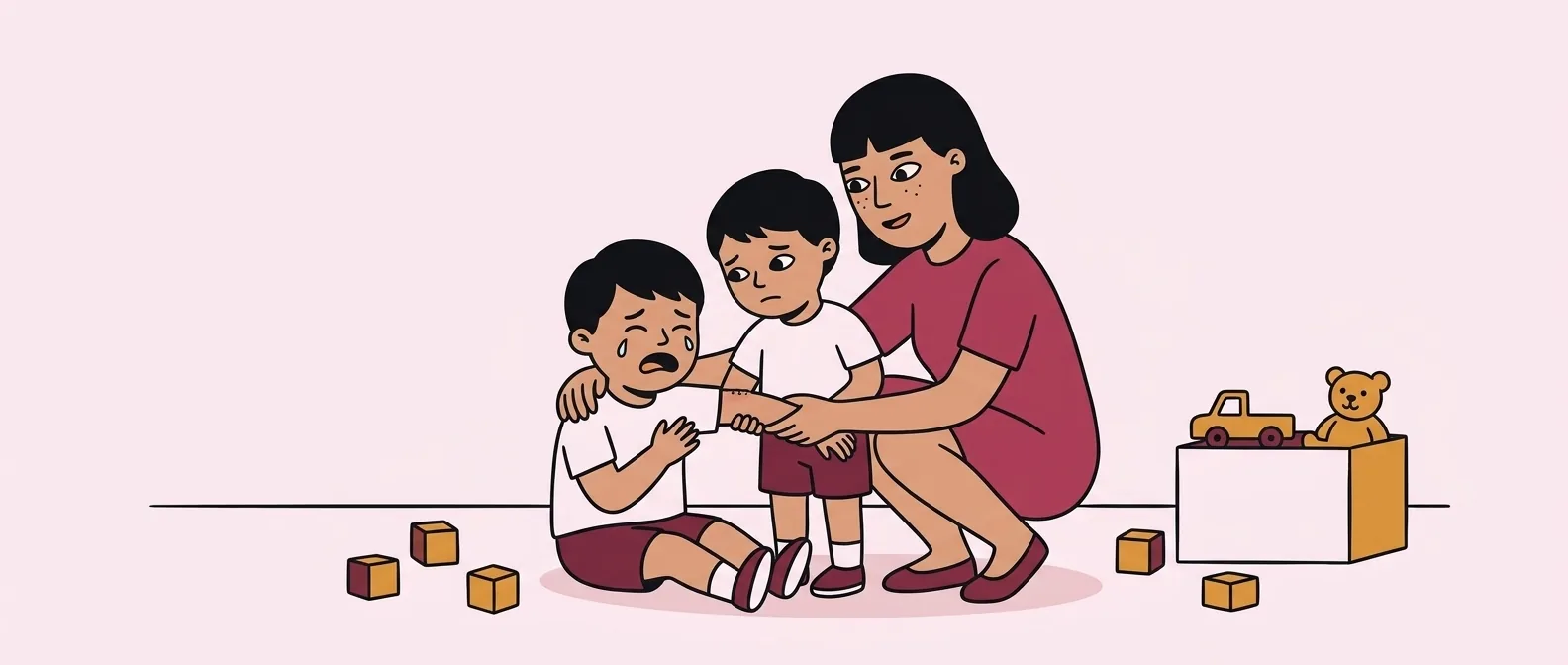
Biting can be worrying, especially when it happens with other children. Learn why children bite and how to respond calmly at home, nursery and preschool.
Articles about children's sleep and nutrition — expert knowledge in one place.
90 articles
Biting can be worrying, especially when it happens with other children. Learn why children bite and how to respond calmly at home, nursery and preschool.
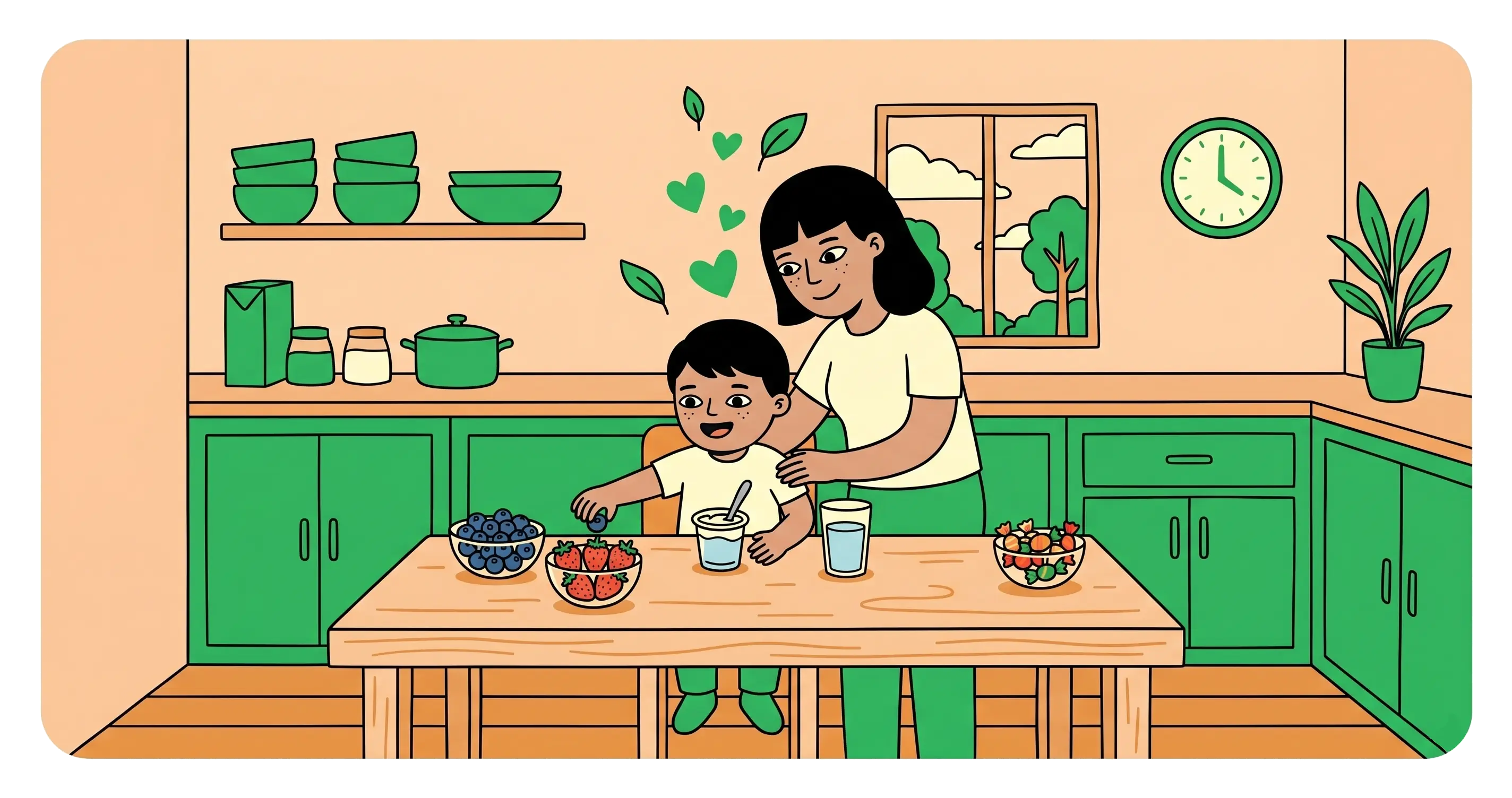
Learn about free sugars, where they're found, and how to gradually reduce sweets in your child's diet. Gentle rules, practical substitutes, and WHO recommendations for parents.
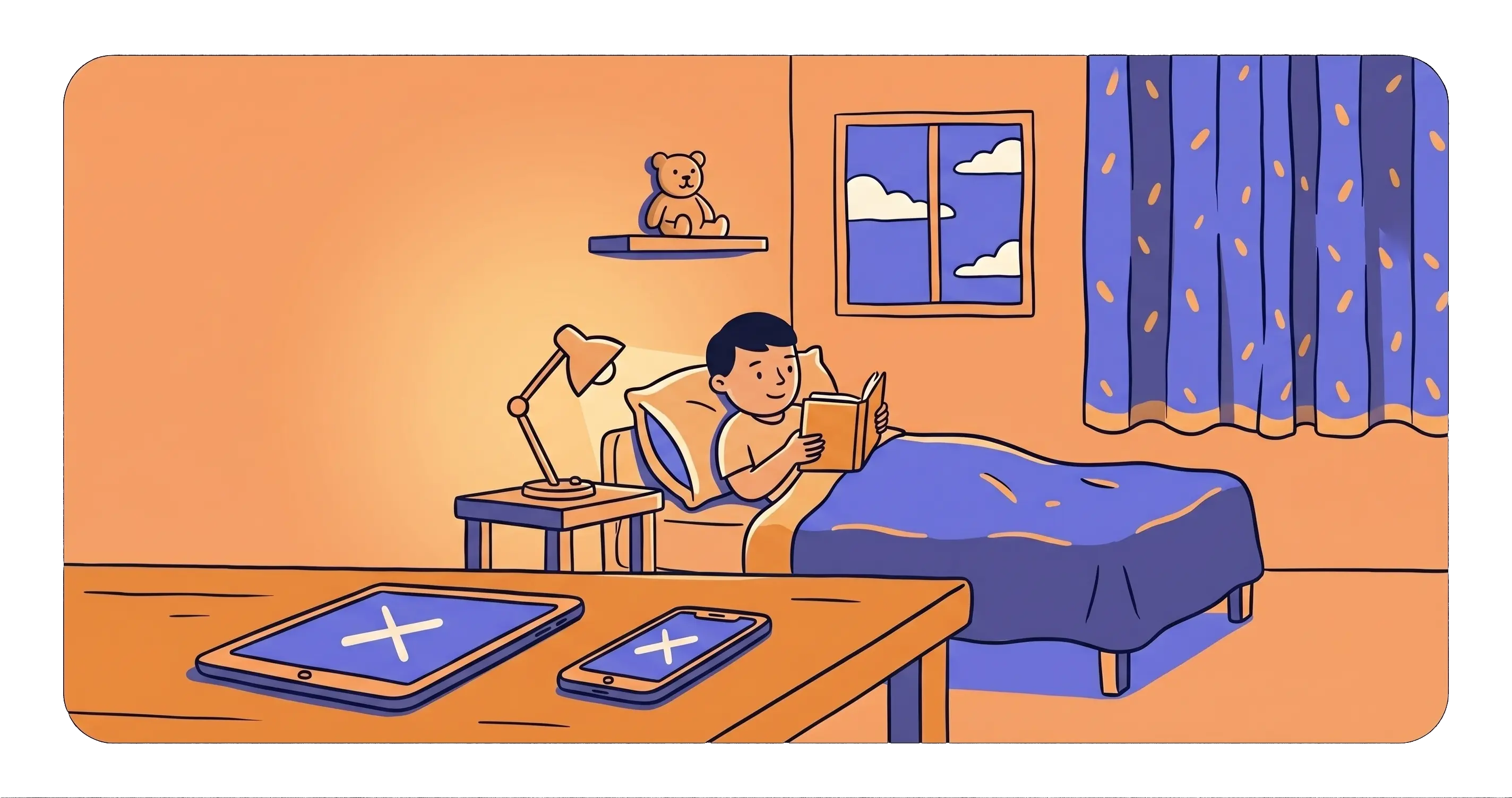
Evening sleep can be challenging when your child only falls asleep in your arms or while nursing, and wakes up soon after being put in the crib. This article explains why this need for closeness arises and when it's a natural part of development.
The period often called the “terrible twos” can bring protests around getting dressed, shopping, leaving the playground and other everyday transitions. Learn how to understand your child’s behaviour without labels and respond with empathy and clear boundaries.
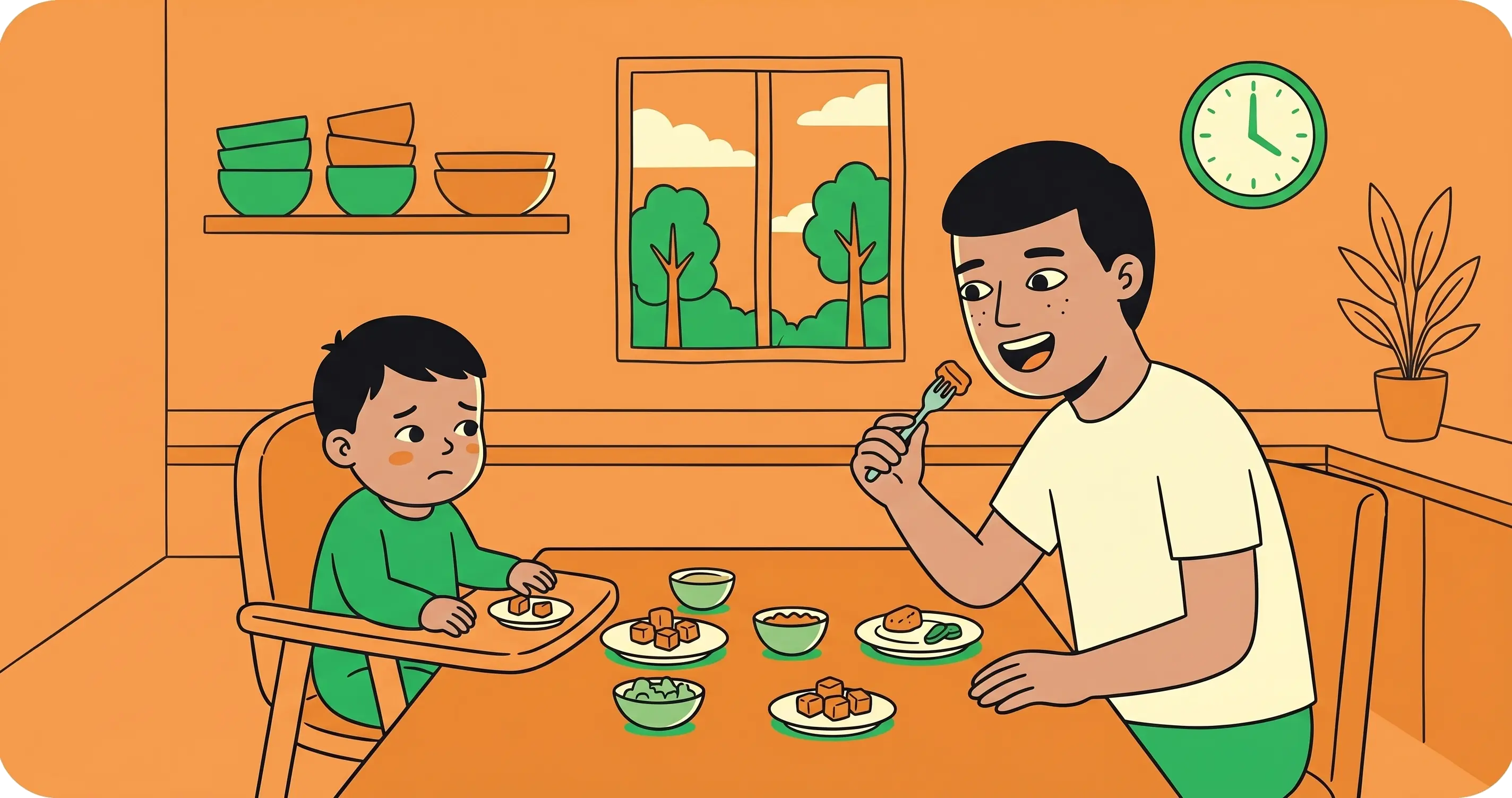
Food neophobia is often a developmental phase, but a shrinking diet, strong anxiety, deficiencies, or growth issues require assessment. Learn how to distinguish between normal pickiness and serious selectivity or ARFID.
A sudden scream, cry, and wide-open eyes at night can be quite alarming for any parent. This article explains the differences between a child's night terror and a regular nightmare, and what signs to look for during a nighttime episode.
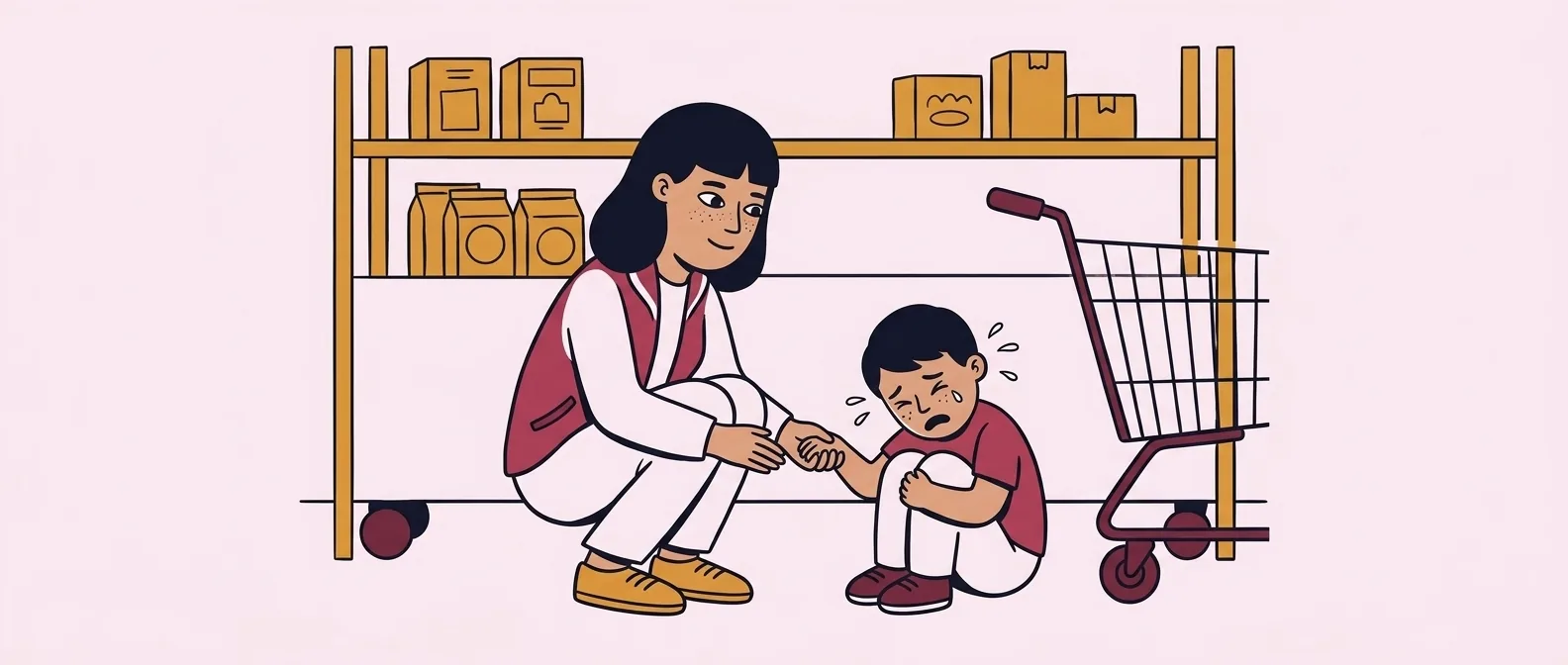
A tantrum in the store can catch you off guard, even when you planned a quick, calm shopping trip. Learn how to respond when your child cries, shouts, or demands a toy or treat after hearing no.
Overweight in children doesn't have to mean drastic changes or shameful conversations. This article guides you on starting a calm change in habits at home to support your child without judgment or pressure.
Short baby naps are common in the early months and don't always signal a problem. If your baby sleeps only 30 minutes, consider how they wake up, their mood, and their overall daily and nightly sleep patterns.