Short Baby Naps – Why They Happen and How to Gently Extend Them
When Your Baby Sleeps for 30 Minutes and the Day Becomes More Challenging
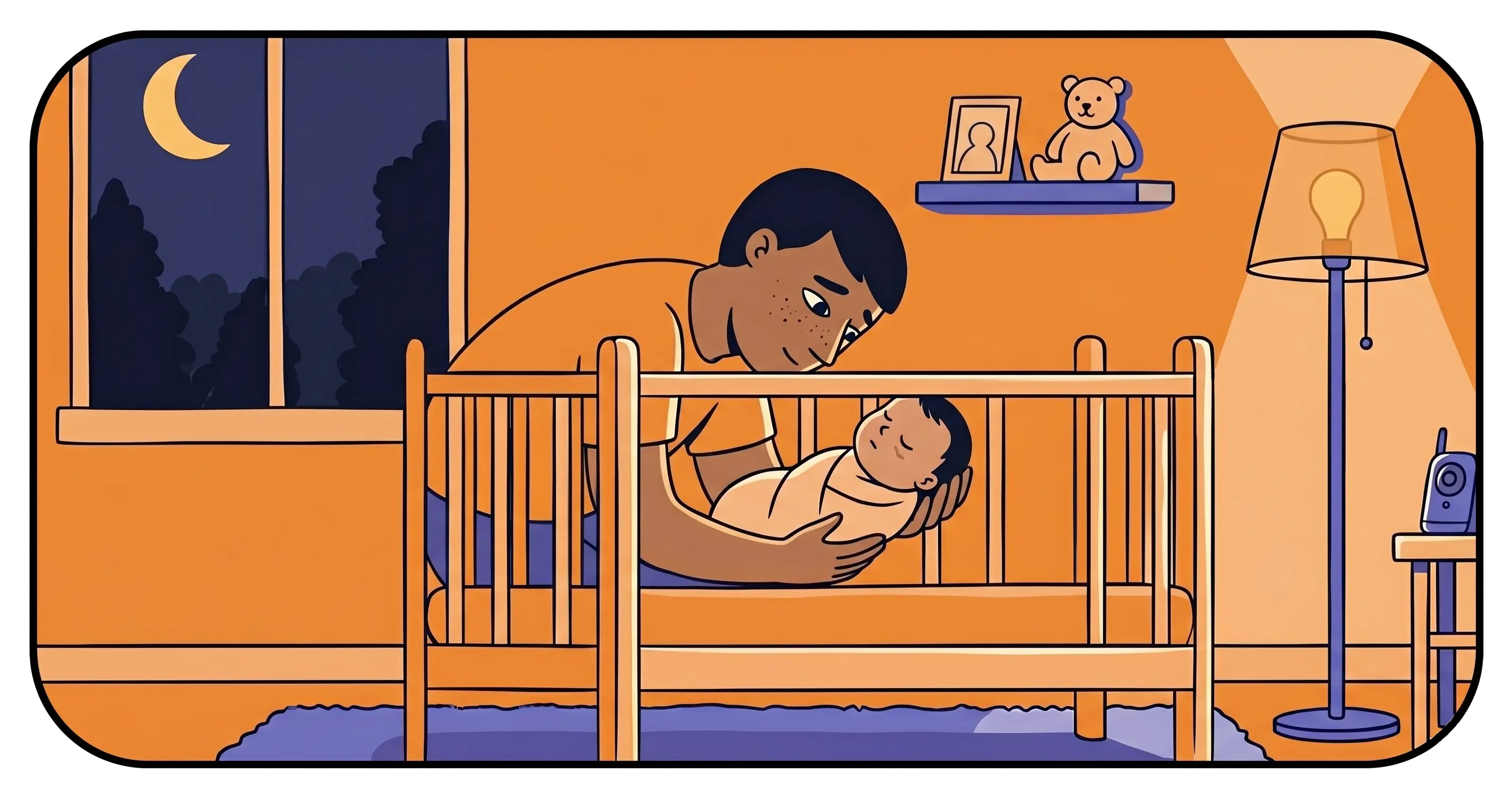
“They just fell asleep… and it's already over?” — if you find yourself thinking this, you're certainly not alone. Parents often reach out to us when each nap lasts as long as a quick coffee break, and the rest of the day starts to unravel. From our experience, this is one of the most common topics in the early months of a child's life 😴
In practice, we see that a short nap often doesn't mean anything is wrong. For many babies, the day simply looks “chopped up”: a bit of sleep, a bit of wakefulness, then another short nap. It's tiring for parents, but in itself doesn't have to be alarming.
The most important thing is usually not just that the nap lasts 30 minutes, but what happens afterward. Does the baby wake up calmly? Do they seem tired again shortly after? Does the evening become very difficult because of it? It's this broader picture that tells us the most.
In this article, we will show you: - when a short nap is still a normal phase, - what often causes these wake-ups, - how to extend naps without pressure and without turning the day upside down.
When a Short Nap Really Doesn't Have to Be a Problem
Parents often ask us directly: “Is 30 minutes of daytime sleep too little?” Our answer is: it depends on the child's age and how they function throughout the rest of the day. In the first months of life, such naps really do happen quite often.
From our experience, especially with younger infants, the day rarely looks perfect and predictable. One day a nap lasts 35 minutes, the next 50, and suddenly 2 hours on another — and that's also within the normal range. Daytime sleep matures gradually, not “overnight.”
In our work with families, we usually reassure parents if the child: - is still young, - wakes up in a good mood after a nap, - the night isn't completely disrupted, - and overall sleeps quite reasonably throughout the day.
We recently had a family convinced that something was wrong with their 4-month-old because each nap lasted about 40 minutes. After a few days of calm observation, it turned out the baby was cheerful after these naps, ate well, and functioned quite nicely. The problem wasn't the sleep itself, but the parents' stress that everything had to look “by the book.”
It's worth taking a closer look if, after such short naps, the child is clearly overtired. If they wake up crying, quickly become unsettled, and struggle to make it to the next sleep, it's usually a sign that something needs adjusting.
Why Babies Wake Up After 30–45 Minutes
Most often, we simply see one thing: the baby finishes the first part of the nap and doesn't yet know how to smoothly transition into the next. This is very typical for infants. Daytime sleep can be light, delicate, and easily interrupted by even small things.
The second common reason is the timing of putting them down for a nap. In practice, this really makes a huge difference. If the baby is put to sleep too early, they may fall asleep lightly. If too late, they may be so tired that they fall asleep “on impact,” but don't sleep long.
Sometimes the cause is much more mundane than parents assume. In our work, we regularly see that naps are shortened by: - hunger or insufficient feeding before sleep, - a full tummy needing to burp, - a wet diaper, - a stuffy nose, - a room that's too bright, - too much stimulation just before sleep.
It also happens that everything is “almost right,” but the baby is having a more intense week. A developmental leap, more stimuli, outings, guests, vaccinations, a change in daily rhythm — and naps immediately become shorter. It doesn't mean everything is ruined. Often it's just temporary.
Short Naps and the Timing of Putting Down for Sleep
If short naps occur daily, we usually first look at the timing, which simply means: is the baby being put in the crib at the right time ⏰. This is one of those elements that can really change a lot.
Parents often tell us: “But they looked sleepy.” And that's the catch. Sometimes a baby yawns, rubs their eyes, or becomes calmer, but that doesn't necessarily mean it's the perfect moment to put them down. On the other hand, if we wait too long, the baby can become so overtired that they fall asleep quickly, but the nap is still short.
What an Early Nap Looks Like
In practice, we often recognize it by a few details: - the baby takes a while to fall asleep, - they don't protest much, but also don't “drift off” easily, - they wake up after a short sleep quite calm, - they manage to function somewhat after this nap.
It usually looks like the body just took a small reset, not a full nap.
What a Late Nap Looks Like
Here, the picture can be more intense 😵💫. The baby is fussy, tense, hard to calm down, sometimes falls asleep almost immediately. Parents then think: “Great, they fell asleep right away.” And then after 30 minutes, there's crying and it's very difficult to get back to sleep.
From our experience, this is one of the most misleading moments. Quick falling asleep doesn't always mean the timing was perfect. Sometimes quite the opposite.
How to Check Without Guessing
The simplest way is to observe the first nap of the day. It usually most clearly shows what works because it's not yet burdened by the fatigue of the whole day.
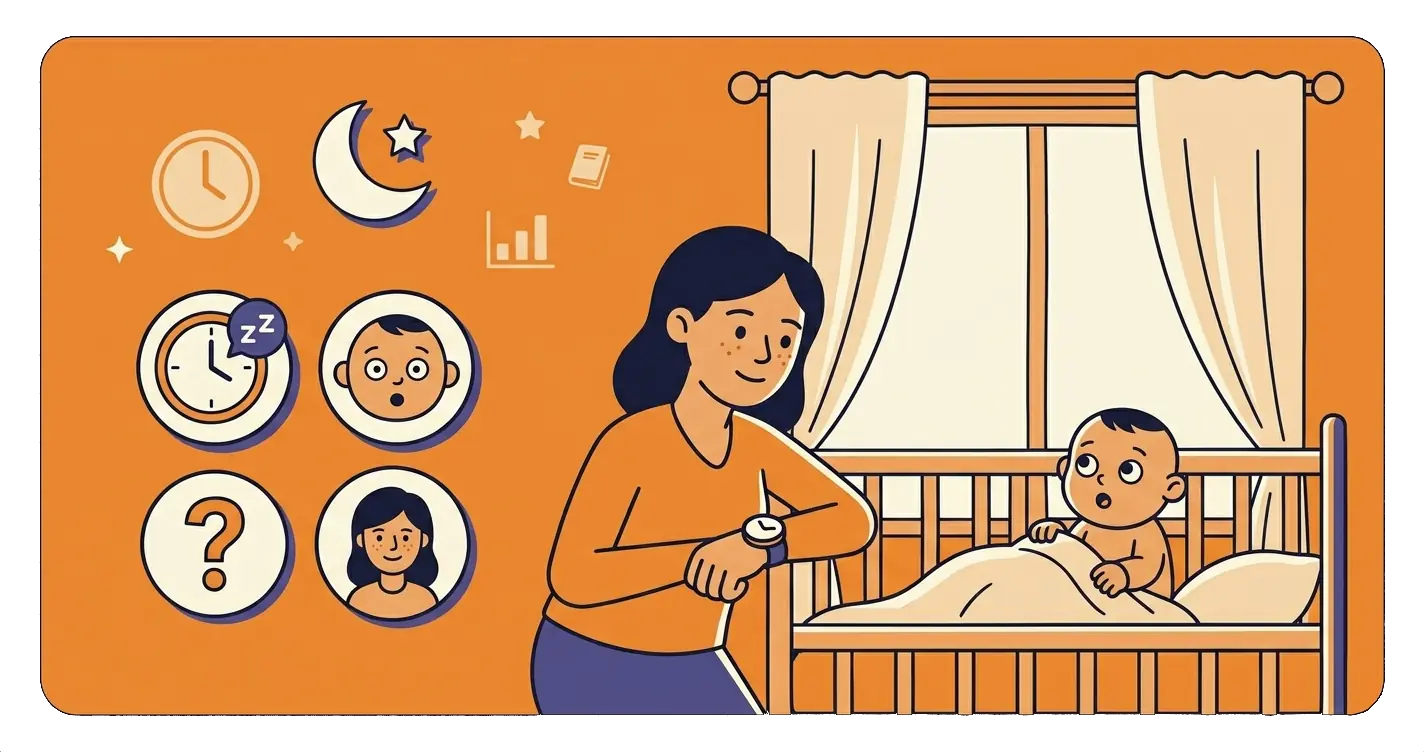
For 3–5 days, note: 1. the time of morning wake-up, 2. when the baby starts to slow down, 3. how long it takes to fall asleep, 4. how they wake up after the nap.
In practice, often just shifting the sleep time by 10–15 minutes is enough to see a difference. It doesn't sound spectacular, but such small adjustments usually yield the best results.
How to Extend Naps Without Making a Revolution
If you want to improve something, start with simple things. You really don't need to change the whole day, the way of putting to sleep, the place of sleep, and all the rituals at once. In our work, calmly organizing the basics works best 🌿
First, it's worth ensuring: - a similar time for morning wake-up, - a fairly predictable moment for the first nap, - a short, repeatable pre-sleep ritual, - similar conditions in the room.
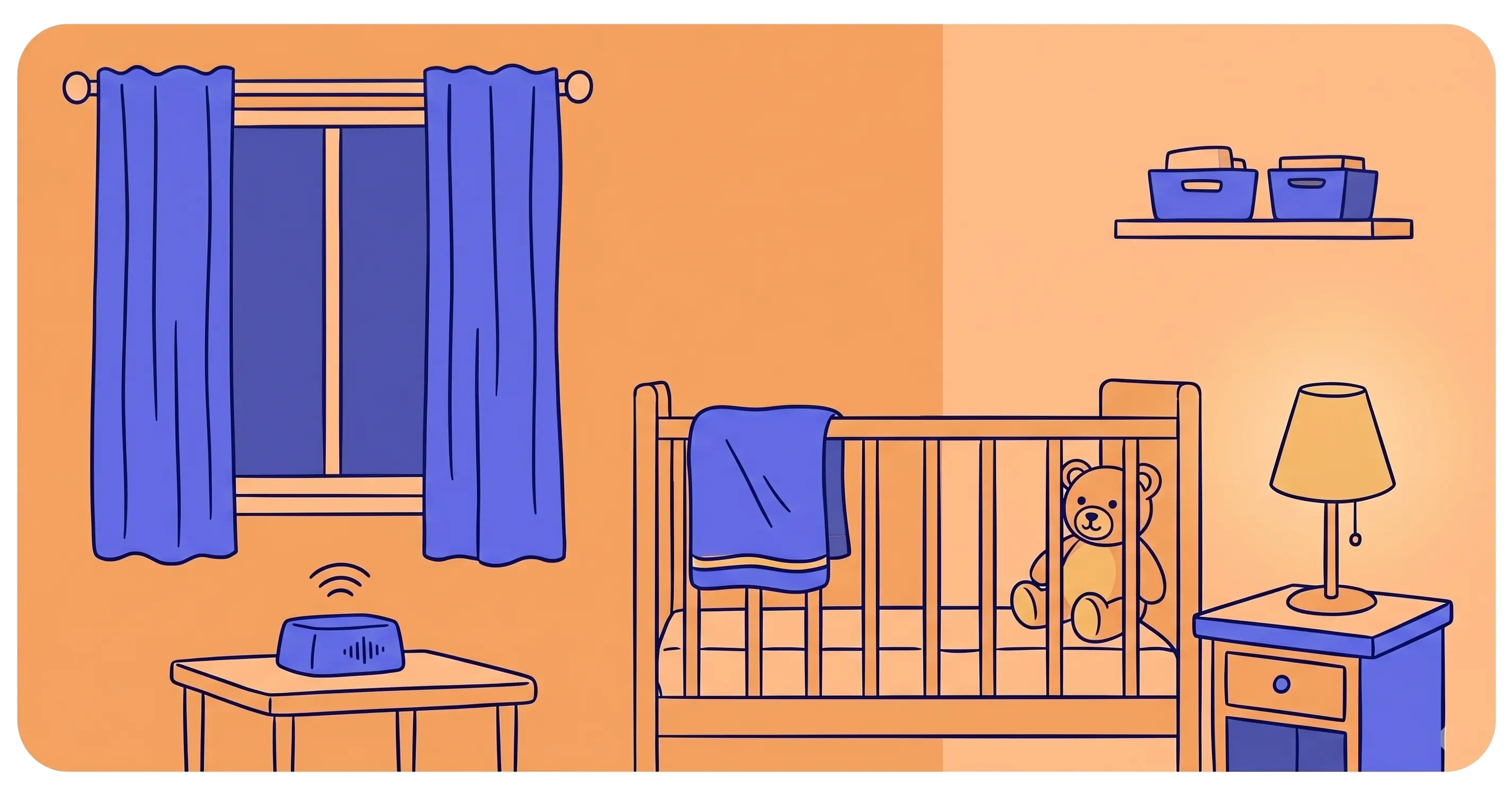
This can be a very simple set: changing the diaper, dimming the lights, a moment of cuddling, white noise, and putting down. It's not about a perfect ceremony. It's about giving the baby a clear signal: “now we rest.”
In practice, we often see that parents, with the best intentions, test something new every day. One day putting to sleep in the crib, the next in the stroller, the third in arms, the fourth without noise, the fifth with a different sleep time. The problem is, it's hard to assess what really works then.
That's why we usually propose one rule: one change at a time and at least a few days of observation. This gives the baby a chance to catch the rhythm, and allows you to see the real effect.
Start with One Nap, Not the Whole Day
If we have to point out the best starting point, we most often choose the first morning nap. It's usually the most predictable and least “muddied” by the chaos of the day. It's on this nap that it's easiest to notice if the change is going in the right direction.
Parents sometimes want to fix all naps at once. We understand this — when the day is difficult, you want a quick result. But from our experience, focusing on one part of the day and then gradually extending it works much better.
We had a mom who tried to improve every nap of her son for a week and ended up more exhausted than before. When we narrowed the plan to just the first nap, after a few days there was more predictability, and the rest of the day also started to gradually fall into place. Sometimes less really means more.
What to Do When Wake-Up Happens at the Same Time Every Day
If the baby wakes up almost every day after 30–45 minutes, it's worth trying to gently help them move on. We simply call this calm support at the end of the sleep cycle. It's not about fighting the wake-up, but giving the baby a chance not to wake up completely 😴
First, for a few days, check when this wake-up usually occurs. If it typically happens around the 35th minute, you can enter the room a little earlier and observe if the baby starts to squirm, tense, or move their head.
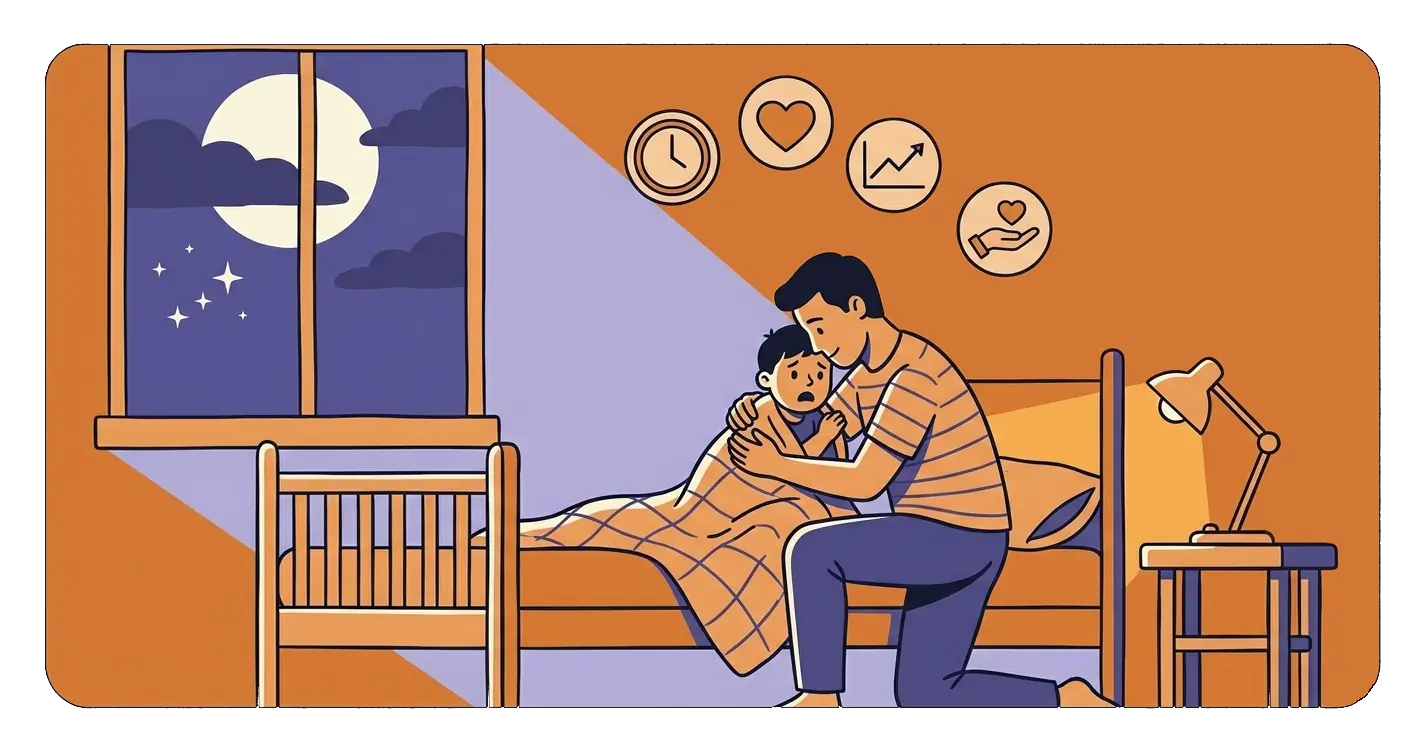
In practice, starting with the smallest help works best: - place your hand on the baby's body, - turn on or increase the volume of white noise, - softly shush, - gently pat, - and if necessary, pick them up for a moment and put them down when they calm down again.
Not every baby will react the same way. One will be calmed by the mere presence of a hand, another needs a short cuddle, and a third will only become more upset if the parent approaches too early. In practice, we observe the baby, not stick rigidly to one trick.
The first effects usually don't come after one attempt. Most often, it takes a few days of regularity, and a clearer improvement appears within 1–2 weeks.
Sleep Conditions Also Make a Difference
Sometimes parents focus solely on the hours and overlook what's happening around sleep. Meanwhile, for many infants, it's the environmental details that make a big difference 🌙
It's worth checking: - if the room isn't too bright, - if household noises don't wake the baby during lighter sleep, - if too much is happening before the nap, - if the pre-sleep ritual is fairly similar each day.
From our experience, particularly helpful are: - darkening the room, - playing white noise before and during the nap, - 10–15 minutes of calmer pace before putting down.
These aren't magic solutions, but often they give the baby a better chance for longer sleep. Especially if the day was very active or the baby easily reacts to stimuli.
Contact Nap and Cap Nap – When They Really Help
Parents often ask us if sleeping in arms is already a “wrong direction.” We see it differently: sometimes it's just a practical tool 🤍 If the baby has had a series of short naps and it's clear they're getting more tired, one longer nap close to you can save the rest of the day.
In our work, we don't treat contact naps as a failure. Sometimes it's the best way for the baby to truly rest before we start working on crib naps. First sleep, then strategy — this order usually serves the whole family better.
We've had many situations where parents fought hard for “independent naps,” and the baby became more and more overtired day by day. When they let go of one nap and consciously made it in arms or in a sling, the evening suddenly stopped being so dramatic. It doesn't ruin everything. Sometimes it even helps restore balance.
Cap nap is a short nap at the end of the day, an emergency one. It's useful when earlier naps were weak, and there's still too much time until night.
It usually works best: - 10–20 minutes for older infants, - 20–30 minutes for younger ones, - rather earlier than very late.
For such a nap to help, it shouldn't turn into a long evening sleep. It should be a bridge to the night, not an additional full nap.
Common Mistakes That Unintentionally Shorten Naps
A very common scenario looks like this: the baby stirs after 30 minutes, opens their eyes, sighs, and the parent immediately picks them up from the crib. It's understandable because everyone wants to spare the baby from crying. But in practice, we see that some babies just need a moment to decide if it's really wake-up time or not.
That's why, if the situation is calm, it's worth giving the baby 2–5 minutes of space. Sometimes that's enough. If not, then we step in with help.
The second common mistake is a lack of consistency. It's not about a military schedule, but about some fixed points. It's usually easier for a baby to fall asleep when the day has at least a somewhat predictable rhythm.
We most often recommend: - a consistent morning start time, - a similar pre-sleep ritual, - similar conditions in the room, - a similar way of responding after wake-up for several days in a row.
The third issue is too much stimulation before sleep. When it's loud, bright, and intense before a nap, it's harder for the baby to enter a calm sleep. And when we put them down only when they're already completely “overstretched,” the nap often ends sooner than we'd like.
When It's Worth Consulting the Topic
A short nap alone isn't always a cause for concern. We look more broadly: how the baby eats, how they develop, how they breathe, how the night looks, and what mood they wake up in during the day. This gives a much fuller picture than just minutes on the clock.
It's worth talking to a pediatrician if, in addition to short naps, there are: - snoring or noticeably heavy breathing, - frequent discomfort after feeding, - signs of pain when falling asleep, - poor weight gain, - very high irritability and difficult nights.
If the problem mainly concerns the daily rhythm, nap timing, and difficulty organizing it all, then usually a sleep consultation helps the most. In our work, we often see that parents don't need a “big method,” just a calm plan tailored to their child.
Summary: Less Pressure, More Observation
From our experience, a 30-minute nap doesn't always mean something is wrong. Sometimes it's just a phase, sometimes a matter of timing, and sometimes the result of the baby needing a bit more time to better connect daytime sleep.
If you want to start taking action, focus first on three things: - check the timing of putting down for a nap, - organize sleep conditions, - introduce changes one at a time and give them a few days.
In practice, such a calm approach usually yields the best results. Without rushing, without comparing yourself to other families, and without feeling like you have to fix everything at once.
If you feel that despite your efforts, the day is still very difficult, and short naps are increasing the whole family's fatigue, you can reach out to us through the SleepComplainer consultation form: https://sleepcomplainer.pl/SleepAssessment
Together, we'll check what's just a phase for you and what might actually be worth organizing.