How to Help a Child with Overweight? A Plan to Change Habits Without Shame
Is It Time to Make a Change?
“Are we overreacting, or is it really time to act?” — this is a question we often hear from parents. From our experience, this concern usually doesn’t come from nowhere. Most often, a parent notices that clothes are getting tighter faster, the child is snacking more often, or has less energy than a few months ago.
We don’t view this as a “problem with appearance.” In practice, what’s much more important is what happens daily: the meal rhythm, the amount of sugary drinks, whether the child is getting enough sleep, and if they have opportunities to be active. This is where real change usually begins 💛
The good news is that you don’t need to make a household revolution. In our work with families, calmly organizing daily life without labeling the child or talking about “losing weight” often works best. Often, after just 2–4 weeks, you can see the first signs of improvement: less snacking, a calmer appetite, and better energy.
When Is It Worth Consulting a Specialist About Your Child?
Parents often ask us whether to keep observing or schedule a visit. From our experience, it’s better to act sooner rather than wait until the issue becomes very noticeable. The sooner we organize the basics, the smoother the whole change process will be.
We particularly pay attention to situations like: - weight increasing faster than height, - the child noticeably changing body proportions in a short time, - tiring quickly during usual activities, - frequently asking for food, even shortly after a meal, - regularly drinking sugary drinks, juices, or sweetened tea, - a lot of eating “just because,” without clear hunger.
In practice, we also see that parents sometimes reassure themselves that “it’s just a phase.” Sometimes appetite does change temporarily, but if there are several signals at once, it’s better not to guess on your own. In our work with hundreds of families, early consultation often saves a lot of stress a few months later.
For the first meeting, it’s good to prepare a few simple pieces of information: 1. current height and weight, 2. previous measurements if you have them, 3. health book or growth charts, 4. a food diary from a few days, 5. a brief description of sleep, activity, and daily routine.
How to Talk to Your Child Without Causing Shame?
This really makes a huge difference. From our experience, a child quickly picks up whether we’re talking about support or correcting their body. That’s why instead of focusing on weight, it’s better to talk about what the child can gain: more strength, easier play, a calmer stomach, less fatigue 🙂
In practice, simple sentences work well: - “We want you to feel lighter and more comfortable every day.” - “We’ll try to organize our home meals a bit.” - “We’re doing this together, not just for you.” - “Let’s see what helps you have more energy.”
We often see that comments about appearance only worsen the situation. The child starts to monitor themselves, hide with food, or feel stressed at the table. And when tension arises around eating, appetite usually becomes even less predictable.
In our work with families, one rule works well: we change household habits, not “fix” the child. It’s a small detail in language but a huge difference in daily life.
Where to Start at Home? 4 First Steps
Parents often want to do everything at once. We understand this — when worry arises, it’s easy to go into “from Monday, we’re changing the whole house” mode. From our experience, this approach usually only works for a few days. It’s better to choose a few simple things and really stick to them.
1. Set a Meal Rhythm 🍽️
We usually start with regularity. In practice, 3 main meals and 1–2 smaller ones, served at roughly the same times, work well. It’s not about military discipline, but predictability.
When a child knows the next meal is really coming, it’s easier for them not to reach for something every moment. In many homes, this change alone reduces constant questions: “Can I eat something?”
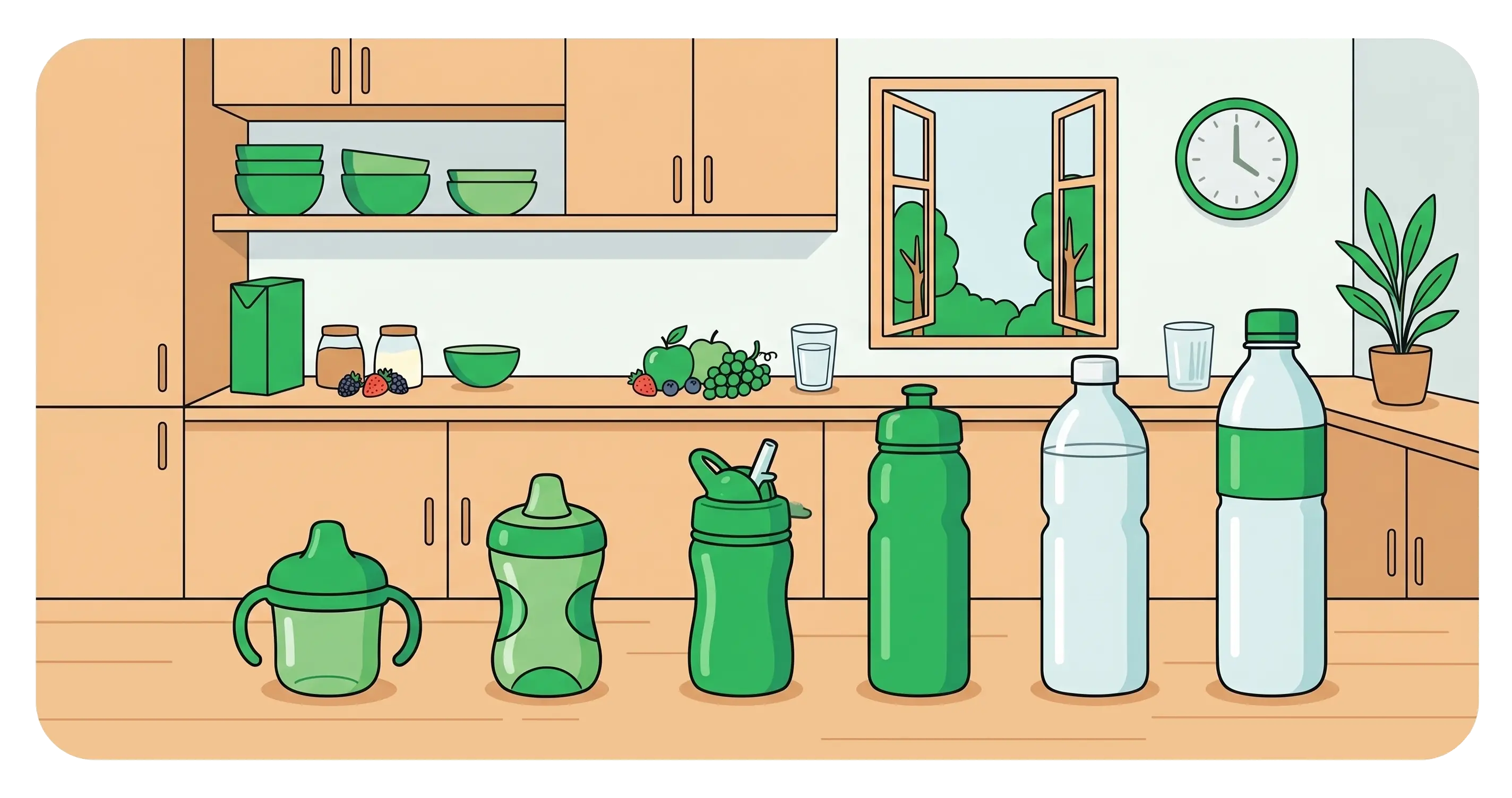
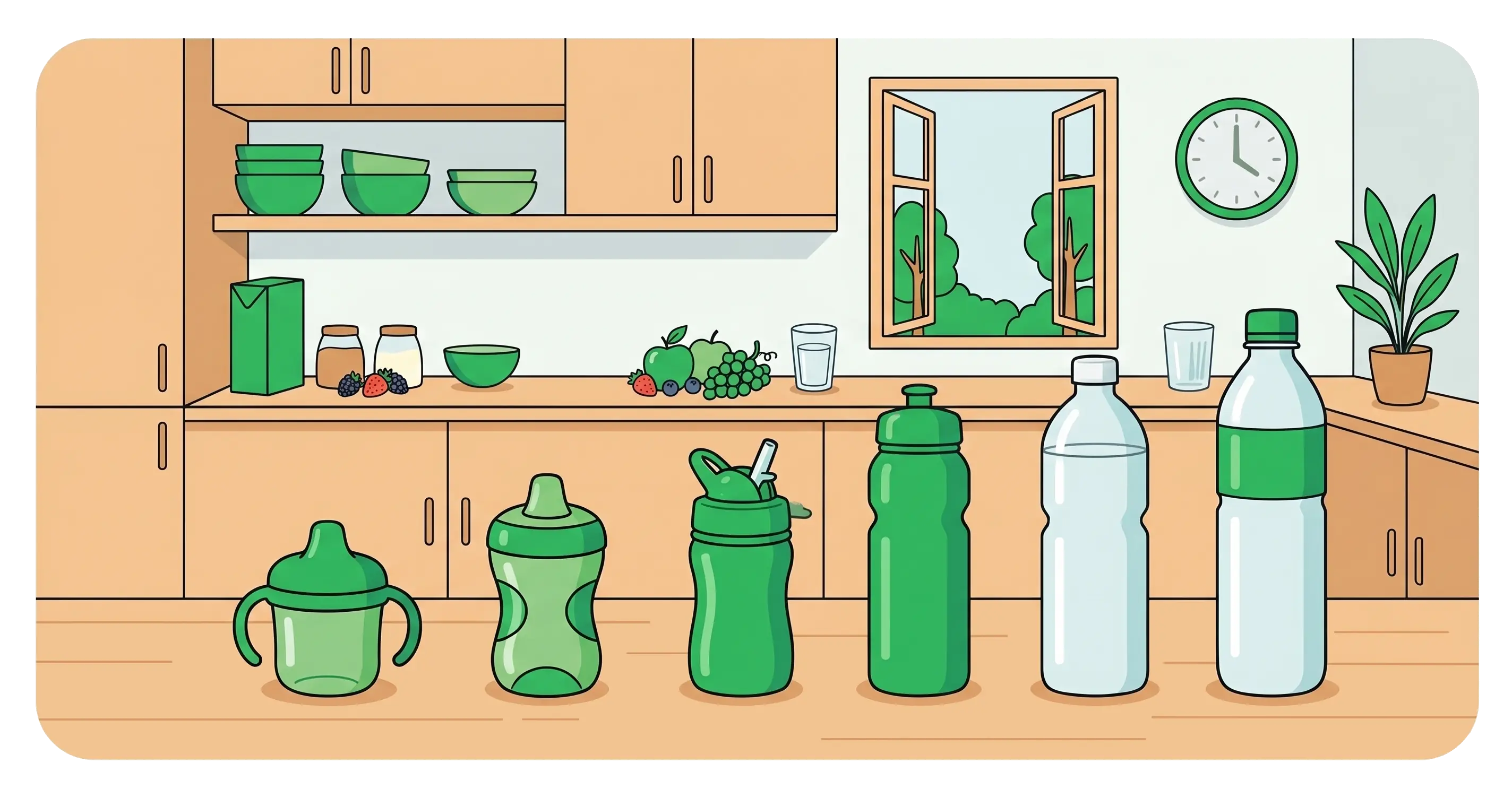
2. Organize Beverages 🧃
This often makes the quickest difference. From our experience, many children consume a significant portion of excess energy through drinks, even if parents don’t notice it at first. Juice for breakfast, a sweet drink after school, tea with sugar in the evening — it becomes a daily habit.
The simplest way: - serve water daily, - save juices for occasions rather than as a daily staple, - if the child is used to a sweet taste, gradually reduce it over 7–14 days.
We remember a mom who was convinced that “drinks are definitely not the problem here.” After a week of observing the day together, it turned out that there were indeed quite a few liquid calories. After changing the drinks, the child snacked much less between meals after two weeks.
3. Eat at the Table, Not in Front of a Screen
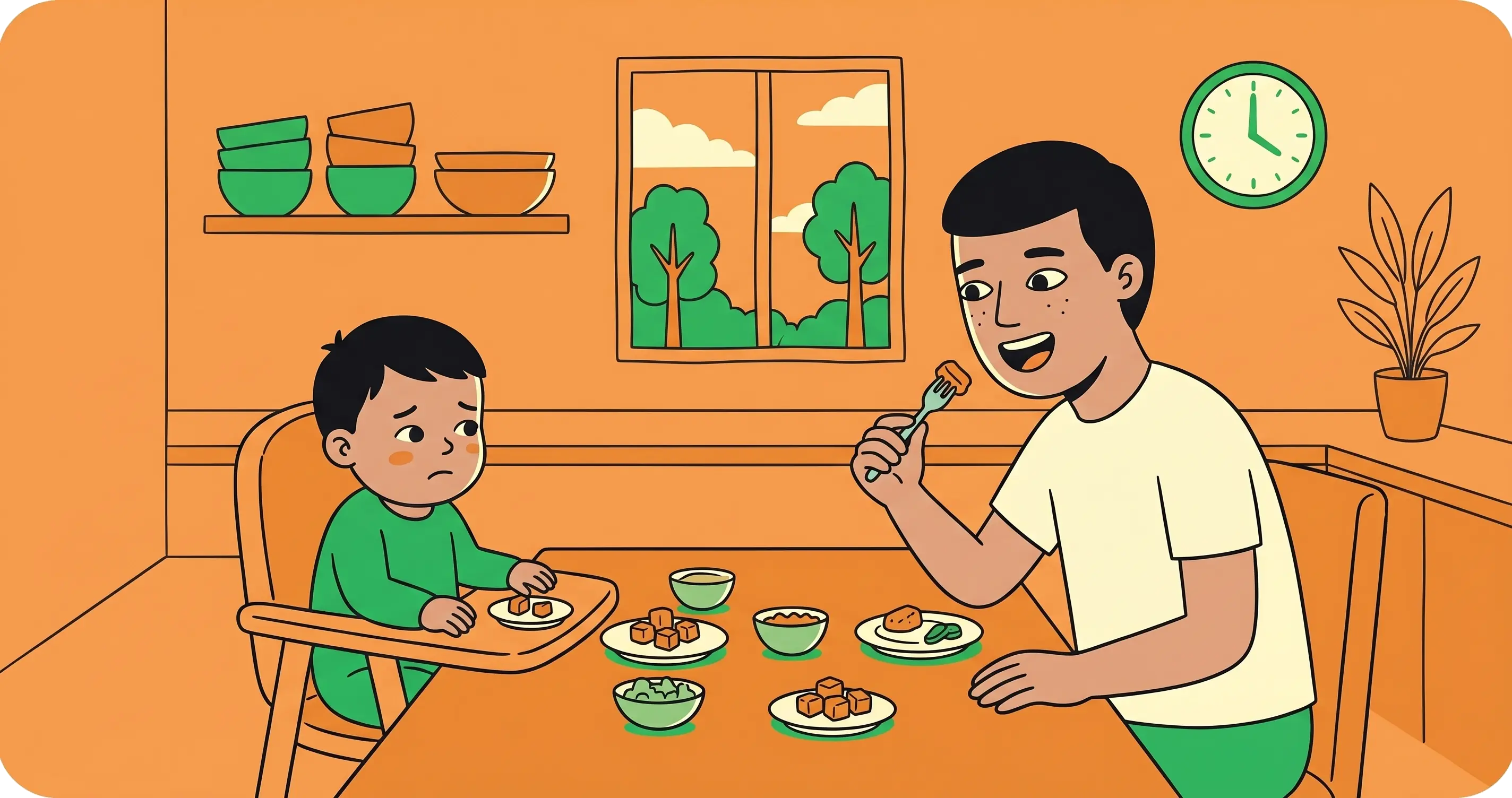
We know that a cartoon during a meal can be tempting — sometimes it’s the only way to get the child to “sit still.” But in practice, we see that it’s much harder to notice the moment of fullness then. The child eats automatically, and the parent feels like “they finally ate something,” even though the appetite quickly returns later.
You don’t have to change every meal right away. Start with one shared meal a day without the TV and phone.
4. Don’t Pressure to Finish Portions
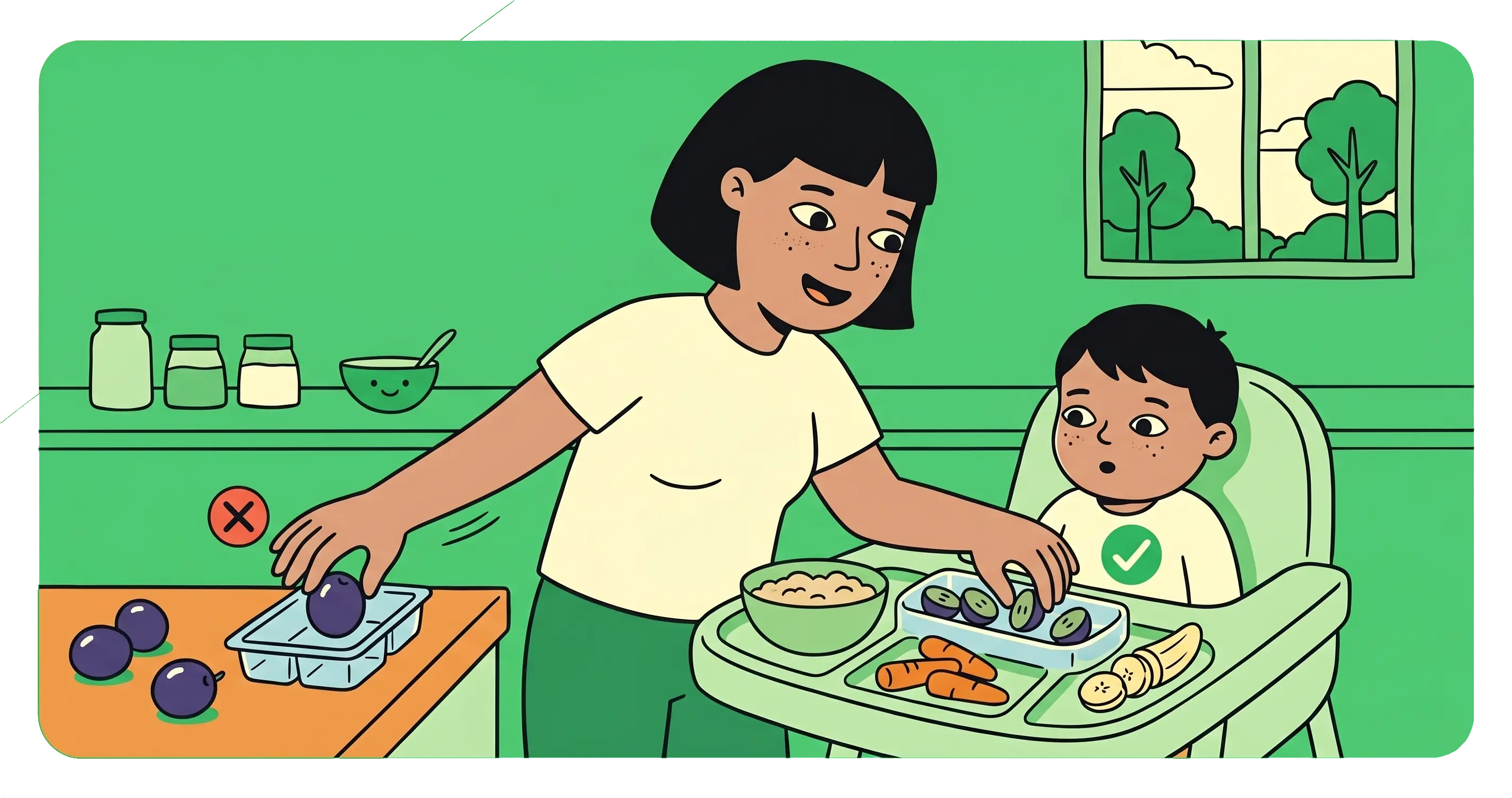
This is especially important when a parent fears the child “won’t eat enough healthy things” while “eating too much of the less beneficial ones.” From our experience, constant coaxing, counting bites, and commenting on portions only increases tension.
In practice, the best approach is a simple system: - we decide what and when to serve, - the child decides whether and how much to eat from what’s served.
Of course, sometimes this model needs to be adjusted to a specific situation, but as a starting point, it greatly organizes the atmosphere at the table.
How to Arrange Meals Depending on the Child’s Age?
Parents often ask us if overweight requires introducing a “special diet” right away. From our experience, usually not. First, we organize the rhythm, meal composition, and daily routine. Only then do we look at what else needs fine-tuning.
0–3 years
With the youngest, we act very cautiously. If the child is still drinking milk, has selective eating, or difficulties with eating, the plan should be truly individually tailored. There’s no room for self-imposed, strict restrictions here.
In practice, we recommend: - not feeding “just in case,” - not offering food endlessly throughout the day, - ensuring a clear start and end to meals.
If something concerns you in this age group, it’s best not to act on your own.
4–6 years
At this age, predictability works great. A child likes to know when breakfast, lunch, and dinner will be. When constant nibbling occurs in between, appetite quickly becomes deregulated.
To start, we usually propose: - water as the primary drink, - vegetables or fruits with several meals a day, - less “on-the-go” eating, - less snacking during play and cartoons.
In practice, after 2–3 weeks, many families see the child sitting at the table more calmly and less frequently demanding snacks.
7–12 years
With older children, we don’t go for restrictions and counting every calorie. From our experience, this almost always ends in frustration. A much better approach is a plate that simply satisfies and is predictable.
A simple system helps: - half the plate — vegetables or fruits, - a quarter of the plate — protein products, - a quarter of the plate — starchy sides.
In practice, we often suggest also serving a smaller portion to start. If after 10–15 minutes the child still feels hungry, they can have seconds. This is a simple way to return to listening to fullness without battles at the table.
4-Week Habit Change Plan for the Whole Family
From our experience, a short, simple, and sustainable plan works best. It’s not about a perfect month. It’s about making the home run a bit more smoothly after four weeks 🙂
Week 1 — Set Meal Times
Start by setting the day’s framework. Simply write down approximate meal times and stick to them for most of the week. This gives the child a sense of security and order.
Example: - 7:30 — breakfast - 10:30–11:00 — small meal - 14:30–15:30 — lunch - 17:00 — snack if needed - 19:00 — dinner
In practice, after just a few days, parents often tell us there are fewer questions about food.
Week 2 — Drinks and Snacks
In the second week, focus on what most distracts appetite. Most often, these are sugary drinks and random snacking. This is the time to simplify home rules.
It’s good to have ready options after school: - a sandwich with a vegetable addition, - natural yogurt and fruit, - an egg and bread, - hummus and sliced vegetables.
This may sound trivial, but in practice, these pre-prepared solutions save the afternoons. When a child comes home hungry, there’s usually no room for long negotiations.
Week 3 — Sleep, Activity, and Less Screen Time 🚶
In our work, breakthroughs often don’t start with the plate but with the evening. A child who sleeps too little and spends a lot of time in front of a screen usually has a harder time regulating appetite. Parents are sometimes surprised at how noticeable this is after just a few days.
For this week, it’s worth setting: 1. a similar dinner time, 2. a calmer wind-down in the evening, 3. fewer screens during meals, 4. a daily dose of regular activity.
It doesn’t have to be a workout. A walk, scooter, bike, playground, a family outing after dinner — these are really enough as a good start.
Week 4 — Consolidation
At the end, we don’t add another five rules. We stop and check what has actually worked. From our experience, this is the moment that determines whether the change stays with the family longer.
You can ask yourself three questions: - what was the easiest to maintain? - what helped the child the most? - what is still difficult and needs support?
Common Mistakes We See Parents Make
The most common mistake? Focusing all attention on the child. When only they have “special rules,” and the rest of the household continues as usual, rebellion and a sense of injustice arise. In practice, a shared change for the whole house works much better.
The second common problem is too much pressure. Commenting on portions, asking “do you really want more?”, promising dessert for eating dinner — all these mix up the child’s hunger and fullness signals. From our experience, the calmer the table, the better.
The third mistake is expecting quick weight loss. In children, success often looks different. First, the rate of gain stabilizes, the child has more energy, snacks less, and functions more calmly at meals. This is a good direction, even if the weight doesn’t change immediately.
We remember a family who was disappointed for weeks because “almost nothing is happening on the scale.” Yet, the child stopped drinking sugary drinks, started eating breakfasts, and was much more willing to go outside. Over time, these changes proved to be the most important.
How to Know the Plan is Working?
Parents often want to know what to expect after the first two weeks. From our experience, the first effects rarely start with the number on the scale. Usually, improvements in daily functioning are seen sooner 👍
Most often, there is: - less snacking between meals, - less frequent requests for something sweet, - calmer sitting at the table, - better energy throughout the day, - less chaos around eating.
After 2–4 weeks, some families also notice that the weight is not increasing as quickly as before. This is a very important signal. In a growing child, this is often the goal at the beginning — for the body to catch a calmer pace.
At home, you don’t have to measure everything daily. In practice, noting simple observations works much better: - how the meal rhythm looks, - how many sugary drinks there are, - whether the child snacks, - how they sleep, - how much activity they have, - how they feel.
If after 4–6 weeks nothing changes or the issue becomes more difficult, it’s worth returning for individual support. Especially if the child constantly asks for food, tires very quickly, or there is increasing tension at the table.
Summary: Where to Start Today?
If you’re wondering: “how to help a child with overweight wisely and without shaming?”, our answer is simple: start with the basics. Not with bans, not with daily weighing, not with telling the child they need to change. First, organize the home rhythm.
To start, what usually helps most are: - 3 main meals and 1–2 smaller ones, - similar meal times, - limiting sugary drinks, - less eating in front of screens, - daily activity and calmer sleep.
From our experience, even small steps, but repeated daily, give more than a perfect plan maintained for three days. If you feel you want to organize this calmly and tailored to your child’s age, appetite, and daily rhythm, you can fill out the consultation form. We’re happy to help you create a plan without pressure and without shame.