When Your Child Often Asks for Sweets
Limiting sweets doesn't have to mean daily battles or a total ban. Calm, predictable rules that apply to everyone in the household usually work better. This way, your child knows when dessert is an option, and you don't have to make a decision every time.
It's important to look beyond just candies and cookies. Sweet flavors can also come from drinks, breakfast cereals, flavored dairy products, ready-made porridges, purees, and snacks marketed for children.
It's not about a perfect diet plan. The goal is to reduce frequent exposure to sweet flavors, ensure regular meals, and gradually develop habits that can be maintained over time.
What Are Free Sugars?
The terms “sugars,” “added sugars,” and “free sugars” don't mean exactly the same thing. Free sugars include sugars added to foods by manufacturers, cooks, or consumers, as well as sugars naturally present in honey, syrups, fruit juices, and juice concentrates. They do not include sugars found in the structure of whole fruits and vegetables or lactose naturally present in milk [1].
This means that honey, maple syrup, or date syrup are also sources of free sugars. They may differ in taste and composition from white sugar, but they should not be used without limits.
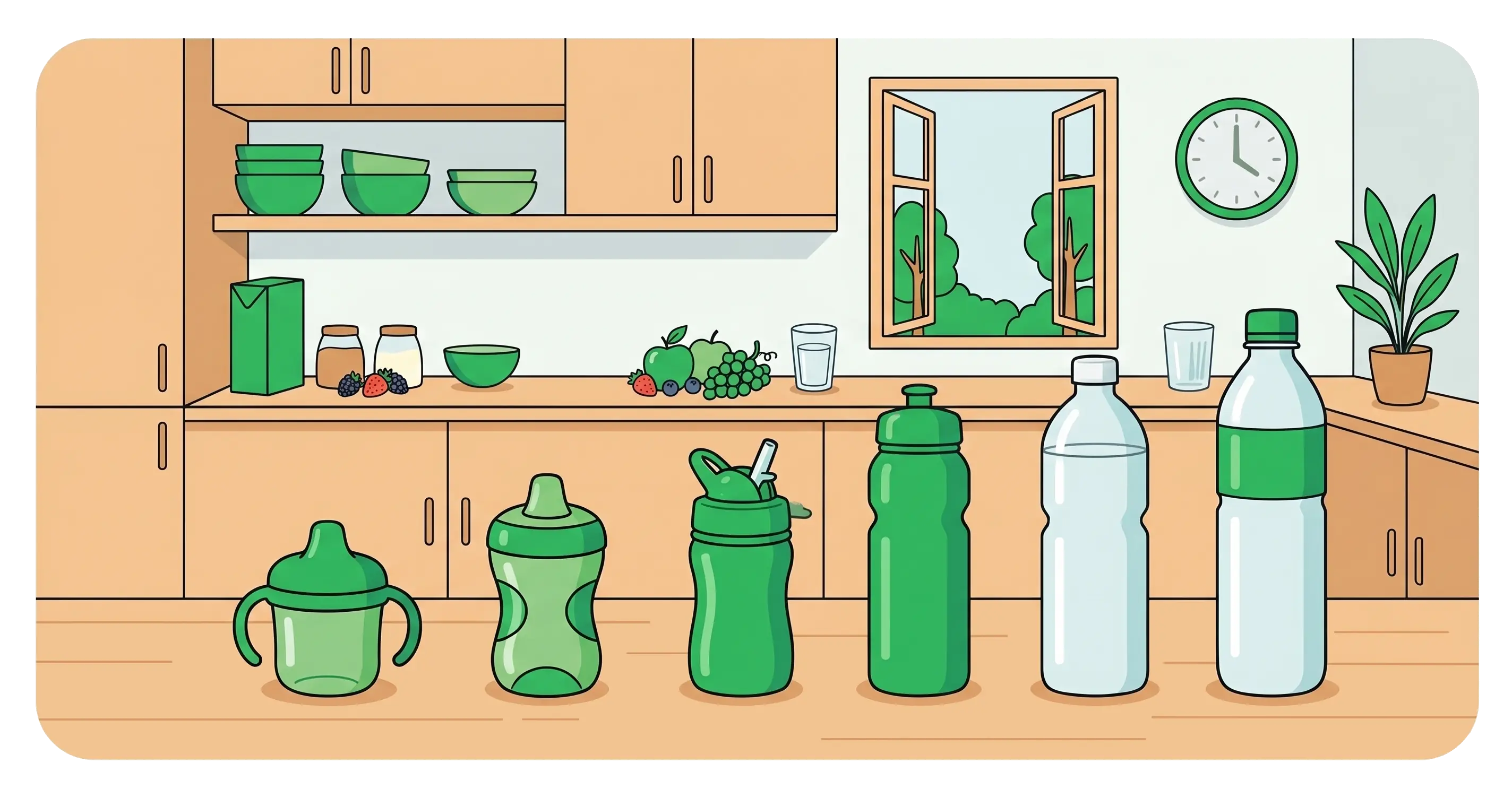
Whole fruit, on the other hand, is different from juice. It provides fiber, requires chewing, and is usually more filling. Juice, even 100% juice with no added sugar, contains free sugars and should not replace water [2].
How Much Free Sugar Can Be in a Child's Diet?
There isn't a single number in grams that would be appropriate for every child. Energy needs depend on factors such as age, growth rate, body weight, and activity level. Therefore, recommendations relate the amount of free sugars to the total energy provided throughout the day.
The World Health Organization recommends that both children and adults get less than 10% of their daily energy from free sugars. Further reducing their intake to below 5% can bring additional benefits, especially in preventing tooth decay [1]. This isn't a goal that needs to be monitored by weighing every product daily. In practice, regular choices matter more: water instead of sweet drinks, unsweetened main meals, and limiting products where sugar appears multiple times a day.
In infant nutrition, adding sugar to meals or giving sweetened drinks is not recommended. The early phase of diet expansion is a time to explore natural flavors, so there's no need to accustom the child to intense sweetness [3].
Nutritional standards should always be interpreted in relation to the child's age and individual needs, rather than as a rigid measure for everyone [4].
Simple Age-Dependent Rules
- Infant: do not sweeten meals and drinks; primarily offer water suitable for infants.
- Toddler: limit situations where sweet products appear several times a day during other activities.
- Preschooler: establish clear rules regarding desserts and snacks without labeling foods as “good” or “bad.”
- School-age child: discuss portions, advertisements, labels, and choices made outside the home.
Where Are Free Sugars Hiding?
It's not just the occasional dessert that matters, but also the sum of products consumed each day. Free sugars can be found in:
- fruit drinks, nectars, juices, and sweetened teas,
- flavored yogurts and dairy desserts,
- ready-made porridges and breakfast cereals,
- instant cocoa and milk drinks,
- cookies, wafers, and bars marketed for children,
- ketchup, sauces, and some ready-made meals,
- products containing honey, syrups, or juice concentrates.
Fruit puree without added sugar is not the same as sweets, but it can still provide a lot of total sugars and be less filling than whole fruit. It's best treated as a convenient option outside the home, not the only daily snack.
How to Read Labels?
First, check the ingredient list. Ingredients are listed in order from the largest to the smallest amount. Look for terms like: sugar, glucose syrup, glucose-fructose syrup, honey, molasses, maltodextrin, or fruit juice concentrate.
Then compare the nutrition facts table, especially the “of which sugars” position. This value includes both naturally occurring sugars in the product and added sugars, so the number alone doesn't determine the amount of free sugars. However, it's helpful when comparing similar products, like two yogurts or two types of cereals [5].
The term “no added sugar” doesn't mean the product contains no sugars. It may have sugars naturally present in fruits or milk. Similarly, labels like “organic,” “natural,” and “for children” are not guarantees of low sugar content.
Why Does Your Child Often Want Something Sweet?
A preference for sweet flavors is natural in children. Frequent requests for sweets can be intensified by the conditions in which a child eats. The most common reasons include:
- too long or irregular breaks between meals,
- meals that are not filling,
- constant visibility and availability of sweets,
- snacking while watching screens or playing,
- imitating adults,
- associating sweets with rewards, comfort, or boredom.
It's worth observing for a few days when the request for something sweet arises, what the child ate before, and whether they are hungry, tired, or need contact with a parent. However, don't expect the child to always accept any substitute with equal enthusiasm. Craving a specific product is not unusual.
How to Limit Sweets Without Absolute Bans?
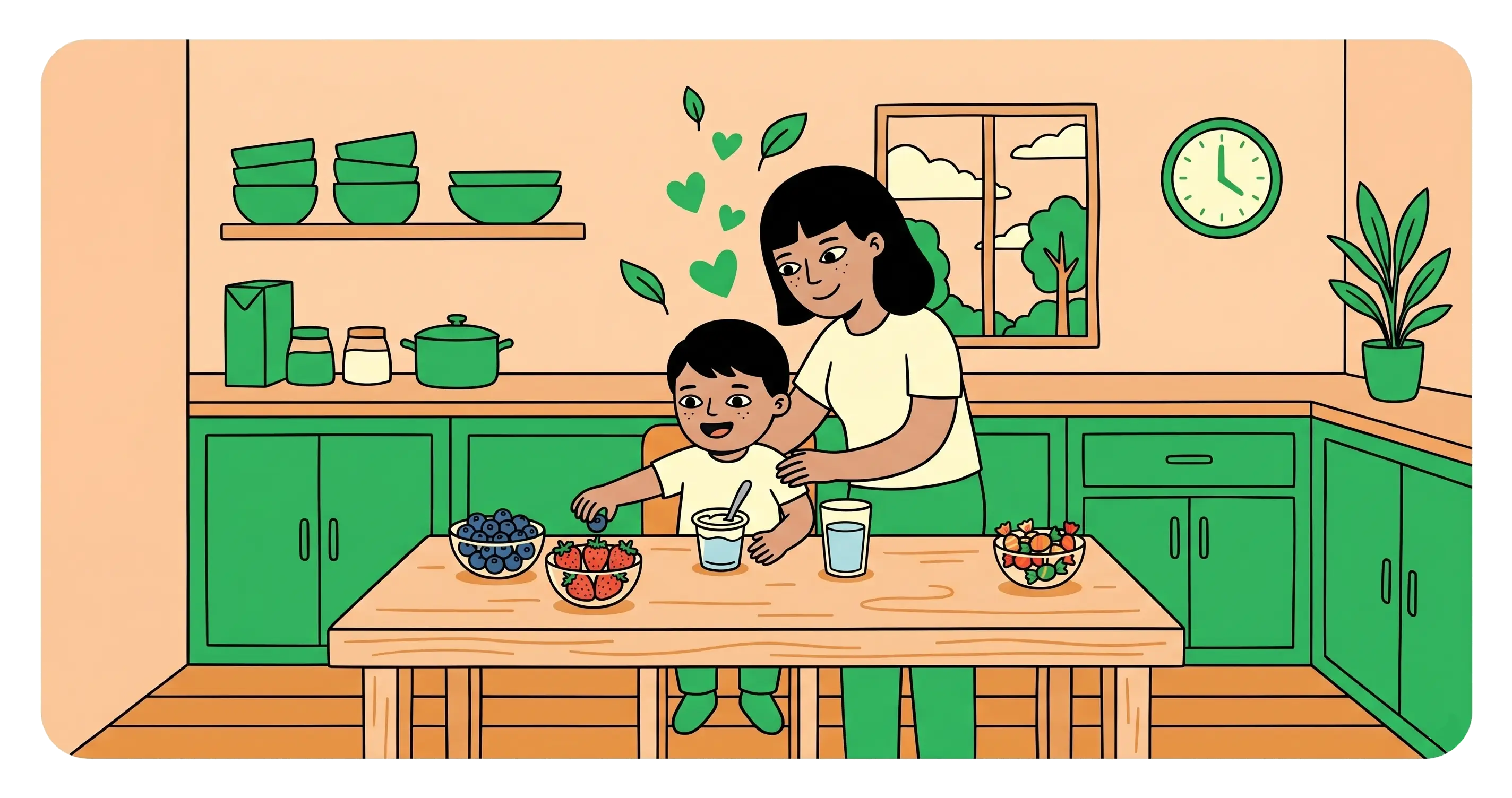
A total ban can increase interest in sweets and encourage eating them in secret, especially in older children. Instead, it's better to set predictable boundaries. The parent decides what products are available, when meals occur, and where the child eats. The child can decide whether to eat the offered meal and how much of it to eat.
Establish a Meal Rhythm
Regular meals and snacks reduce random snacking. The intervals should be adjusted to the child's age, appetite, and daily schedule. There's no need to feed the child continuously “just in case.”
Serve Sweets at a Specific Time
In one family, a small dessert after a meal might work, while in another, a few planned occasions during the week might be better. The most important thing is that the rule is understandable and sustainable. Sweets should not replace a meal or be available all day.
Don't Use Food as a Reward
Messages like “if you eat your vegetables, you'll get a cookie” can increase the dessert's attractiveness and suggest that the main meal is an unpleasant duty. Rewards can be shared time, choosing a game, reading, or another enjoyable activity.
Ensure Shared Rules
Changes are easier when they involve the whole family. Water can be the primary drink for all household members, and sweets can be stored out of sight. It's hard for a child to understand restrictions if adults regularly eat sweets in front of them without any boundaries.
Use Calm, Short Messages
- “Today, we'll have dessert after dinner.”
- “It's snack time now. You can choose yogurt with fruit or a sandwich.”
- “I see you want a cookie. We've already had a sweet treat today.”
- “We don't buy sweets on every shopping trip. We can add them to the list for a set day.”
There's no need to shame the child or scare them with illnesses. Boundaries can be both calm and firm.
Plan for Gradual Change
1. Observe for a Few Days
Note all sources of sweet flavors: drinks, cereals, yogurts, cocoa, desserts, purees, and sweets. Don't judge the child or yourself. The goal is to identify a recurring pattern.
2. Choose One or Two Changes
A good start might be serving water instead of sweet drinks, swapping flavored yogurt for natural with fruit, or stopping eating in front of screens. Implementing all changes at once is usually harder to maintain.
3. Gradually Reduce Sweet Flavors
You can gradually decrease the amount of sugar added to oatmeal or cocoa, mix flavored yogurt with natural, or choose less sweet cereals. If the child drinks sweetened beverages, it's worth reducing their availability and ultimately offering water as the primary drink. Juices should not be treated as an equivalent substitute for water.
4. Evaluate What Works
After two or three weeks, check if the child snacks less often, if meals are more regular, and if the rules are sustainable. A lack of immediate acceptance doesn't mean failure. Changing habits takes time and repetition.
What to Serve Instead of Sweets?
A substitute should be simple, accessible, and age-appropriate. Depending on the time of day, options might include:
- whole fresh fruits, served in a safe form,
- natural yogurt with fruits and cereals,
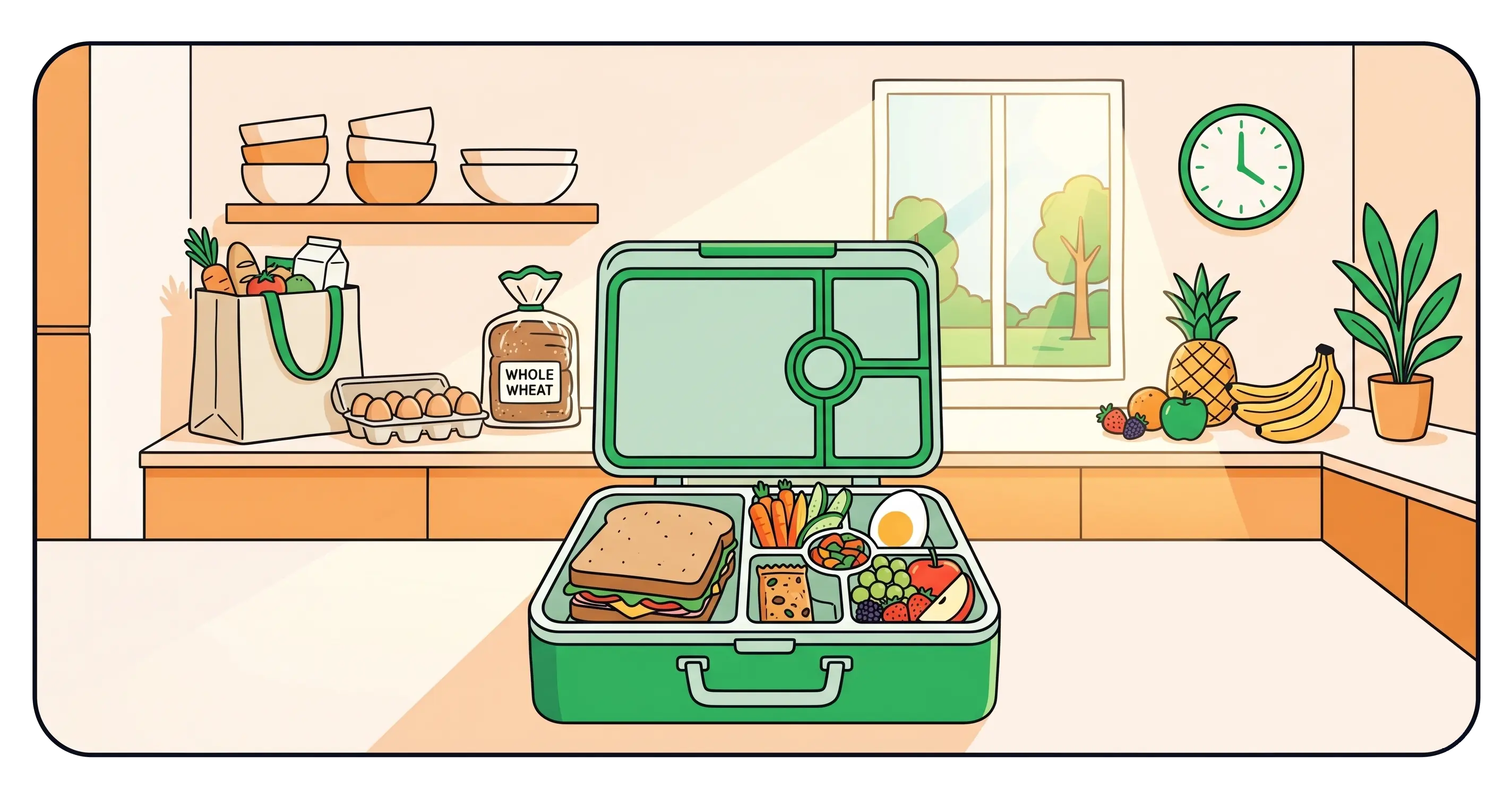
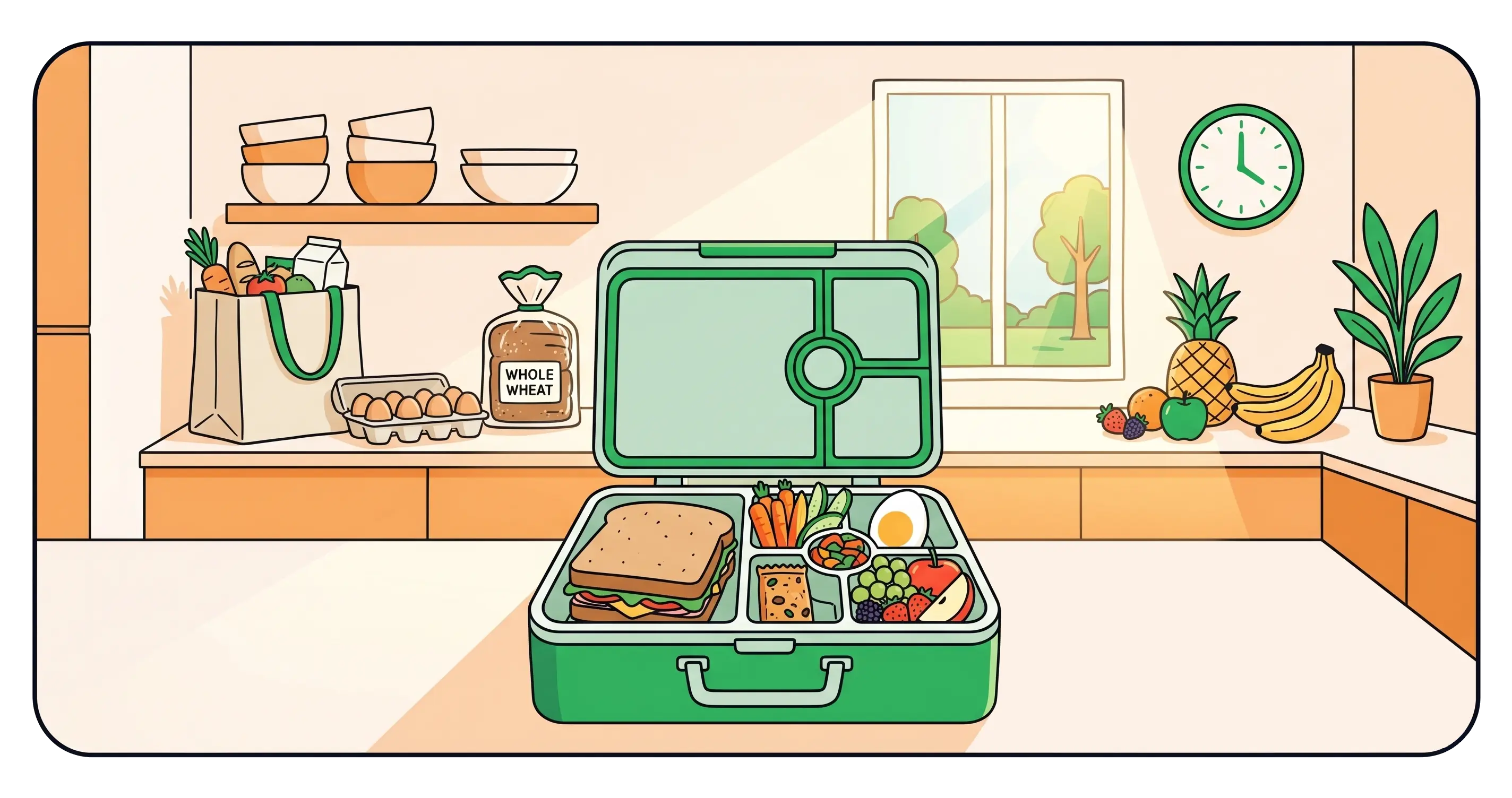
- a sandwich with spread, cottage cheese, or egg,
- oatmeal or porridge with fruits,
- rice with milk without added sugar,
- vegetables with hummus for children who can safely chew them,
- homemade jelly made from fruits without added sugar.
Fruit doesn't have to replace every dessert. Sweets can sometimes remain part of the family menu, but they shouldn't replace nutritious meals or be used to satisfy hunger between them.
Common Mistakes
- Sudden introduction of a total ban: can increase a child's focus on sweets.
- Labeling food as “good” and “bad”: fosters guilt and doesn't teach flexible approaches.
- Rewarding with dessert: elevates its importance and reinforces eating in response to emotions.
- Replacing sugar with honey or syrup: changes the ingredient but doesn't reduce free sugars or the intensity of the sweet taste.
- Focusing solely on the child: adult behaviors and available products at home also shape habits.
- Believing a “for children” product has the right composition: such labeling doesn't exempt you from reading the label.
When to Consult a Doctor or Specialist?
Talk to a pediatrician or child nutritionist if:
- the child is not gaining weight properly, losing weight, or their growth is concerning,
- the diet is very limited, and the child refuses most food groups,
- there are episodes of binge eating, eating in secret, intense fear of foods, or guilt after eating,
- limiting sweets leads to long-term meal avoidance,
- the child has recurring stomach aches, vomiting, diarrhea, or constipation,
- there is increased thirst, very frequent urination, weakness, or unintended weight loss — these symptoms require urgent medical consultation,
- there are signs of tooth decay, toothache, or sensitivity — dental consultation is advised.
Individual advice is also needed for children with diabetes, metabolic disorders, gastrointestinal diseases, or on an elimination diet. In these situations, significant restrictions should not be introduced based solely on general recommendations.
Frequently Asked Questions
Do You Have to Completely Exclude Sweets?
For most healthy children, there is no need for an absolute ban. Frequency, portion size, the overall diet, and whether sweets replace meals are more important. Exceptions may include specific medical indications set with a doctor or dietitian.
Is Honey Better Than Sugar?
Honey may differ in taste and contain small amounts of other ingredients, but it is still a source of free sugars. It should not be used without limits. Honey should not be given to children under 12 months due to the risk of infant botulism.
Can Sugar-Free Juice Be Given Instead of Water?
No. Even 100% juice contains free sugars and doesn't provide the same benefits as whole fruit. Water should be the primary drink for a child.
Does Sugar Cause Hyperactivity?
There is no basis to attribute every intense activity of a child after sweets solely to sugar. During birthdays and other celebrations, emotions, noise, fatigue, late hours, and many stimuli also play a role.
How to React When a Child Cries After Being Refused?
It's important to acknowledge the emotions but maintain the previously set boundary: “I see you're disappointed. We've already had dessert today.” There's no need to give a lecture or immediately offer another sweet product. The child may need closeness and time to calm down.
Summary
Limiting free sugars is best started with drinks, meal regularity, and everyday consumed products. Water as the primary drink, unsweetened breakfasts, reading labels, and set dessert times usually bring more benefits than a sudden, total ban.
The most important things are predictability, shared household rules, and language free of shaming. Sweets don't have to disappear from a child's life, but they shouldn't replace meals, regulate emotions, or be present all day.
If you need to organize your child's diet according to their age, you can use the NutritionHelper consultation form. Based on your answers, it's possible to identify areas to start the change.
Sources
- World Health Organization, Guideline: Sugars intake for adults and children, 2015.
- National Center for Nutrition Education, Free Sugars in Children's Diet, 2025.
- Polish Society of Gastroenterology, Hepatology, and Nutrition of Children, position on children's nutrition.
- Institute of Food and Nutrition, Nutritional Standards for the Polish Population.
- National Center for Nutrition Education, educational materials on sugars in children's diets.