Is it a good time to focus on your child's health?
Changes in body shape, frequent snacking, or less interest in physical activity can worry a parent. However, it's important not to assess health solely based on appearance or compare your child to peers. Children grow at different rates, and a single weight measurement doesn't identify a problem.
A pediatrician evaluates development based on consecutive measurements of height and weight plotted on appropriate growth charts. For children over 2 years old, they may also consider age and gender-specific BMI percentiles, growth rate, stage of puberty, chronic illnesses, medications, and the overall family situation. BMI is a screening tool, not a complete description of a child's health.
If measurements indicate excess weight, the goal should not be to improve appearance. It's about supporting health, fitness, sleep, well-being, and proper development. Current recommendations emphasize the importance of family-oriented, multi-faceted support rather than blaming the child or leaving the family without help [1].
How to talk without causing shame?
Discussing weight requires special sensitivity. Stigmatizing comments do not motivate lasting change. Instead, they can increase stress, lower self-esteem, encourage avoidance of activities, and lead to unhealthy eating behaviors [2]. This includes jokes, comparisons with siblings, and comments about portions at the table.
The safest approach is to focus the conversation on daily behaviors and the needs of the whole family. You might say:
- “We want to take care of having more energy and better sleep together.”
- “Let's try to eat more regularly and move more often together.”
- “You don't need to change your body to deserve respect.”
- “If someone comments on your appearance, you can tell us about it.”
Avoid labeling the child, scaring them with diseases, or dividing food into “good” and “forbidden.” Changes should involve the home environment, not just one person. The child should not feel like a problem to be fixed.
Where to start at home?
Polish preventive recommendations highlight regular meals, water as the primary drink, daily activity, adequate sleep, and limiting screen time [3]. You don't need to implement all changes at once. It's better to choose one or two manageable steps and gradually build on them to create new habits.
Establish a predictable meal rhythm
In many families, three main meals and one or two smaller meals, depending on the child's age, daily schedule, and appetite, are helpful. Meal times don't need to be identical every day, but they should be relatively predictable. Between meals, it's good to limit random snacking, leaving the child free access to water.
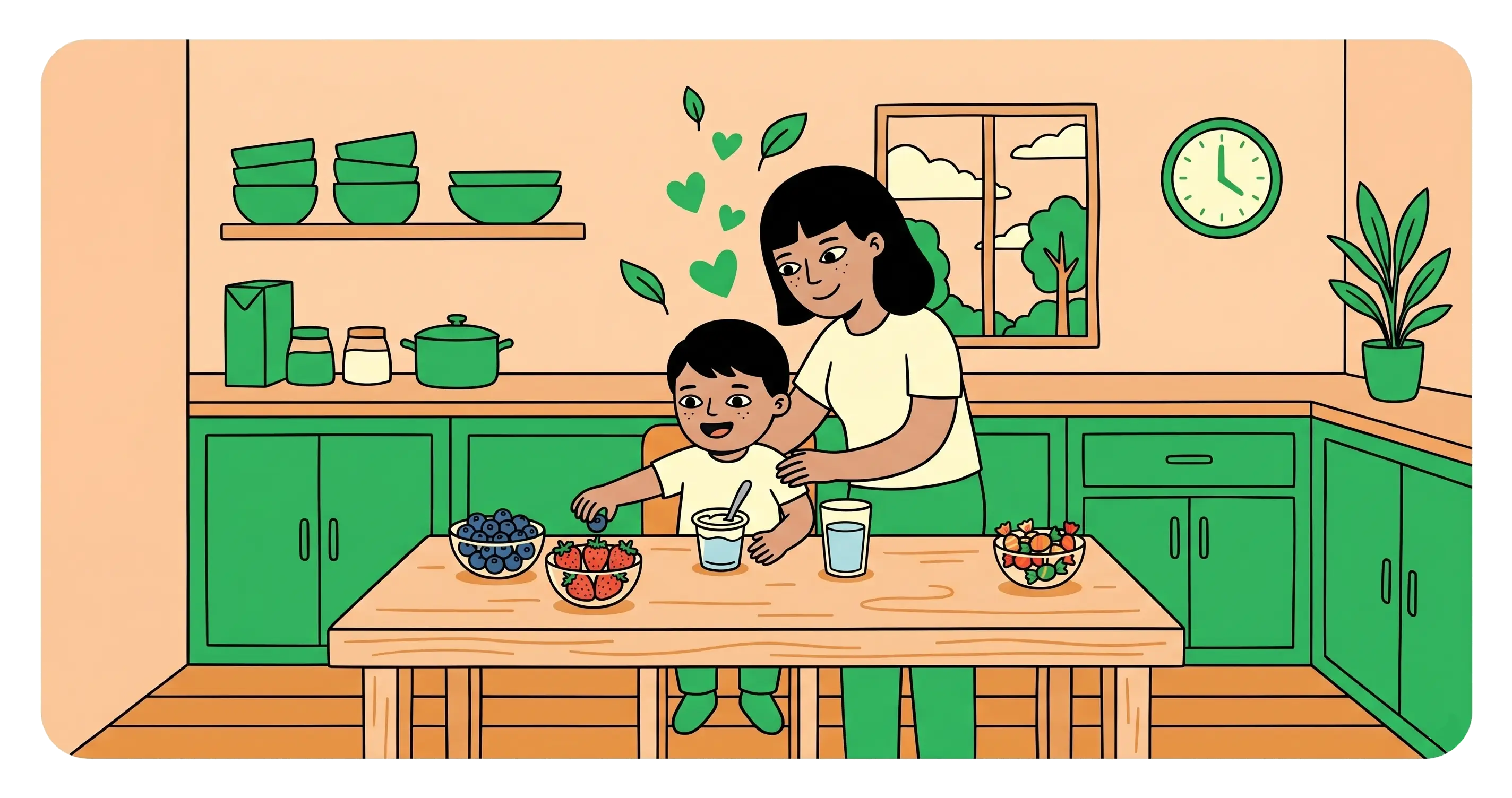
The parent decides what, when, and where food is served. The child decides whether to eat and how much to choose from the offered foods. Don't require eating the entire portion, count bites, or reward with dessert for finishing a meal.
Water as the primary drink
Sugary drinks, sweetened tea, energy drinks, and frequent juice consumption increase sugar intake and may not be very filling. The World Health Organization recommends limiting free sugars found in sweetened drinks, honey, syrups, and juices [5].
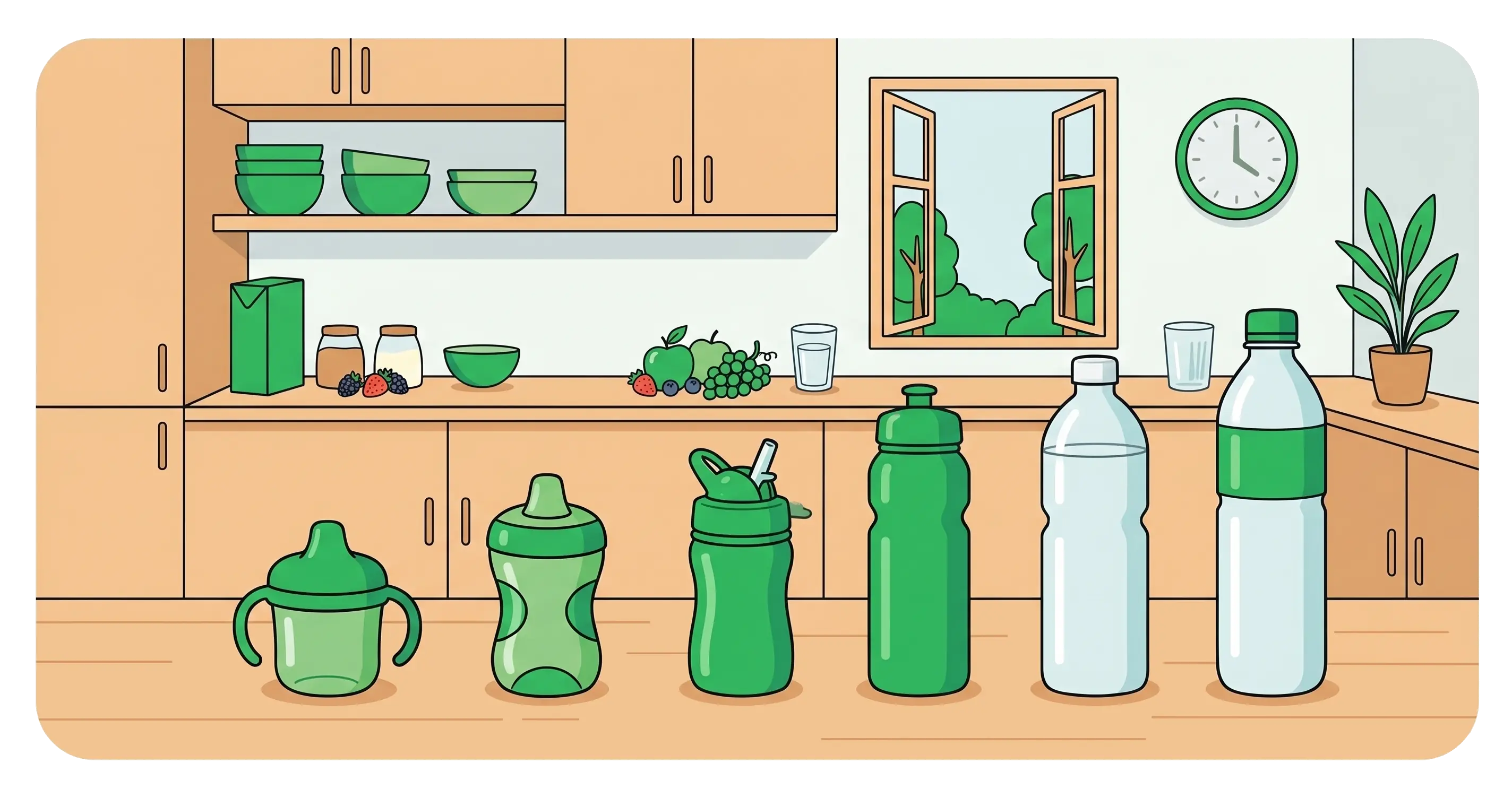
The best everyday drink is water. If a child regularly chooses sweet drinks, the change can be gradual: reduce their frequency, avoid storing large supplies at home, and jointly find an acceptable alternative. Juice should not be treated as a substitute for whole fruits.
Eat without screens
Phones, TVs, or tablets distract from the taste of food and hunger and fullness signals. Start by choosing one family meal a day without screens. The meal doesn't have to be long or perfectly calm. What's important is a predictable, friendly atmosphere.
Compose filling, diverse meals
In the main meal, it's worth, depending on the child's acceptance, combining:
- vegetables or fruits,
- a source of protein, such as eggs, fish, meat, natural dairy, or legumes,
- a grain product or another source of starch,
- a small addition of fat.
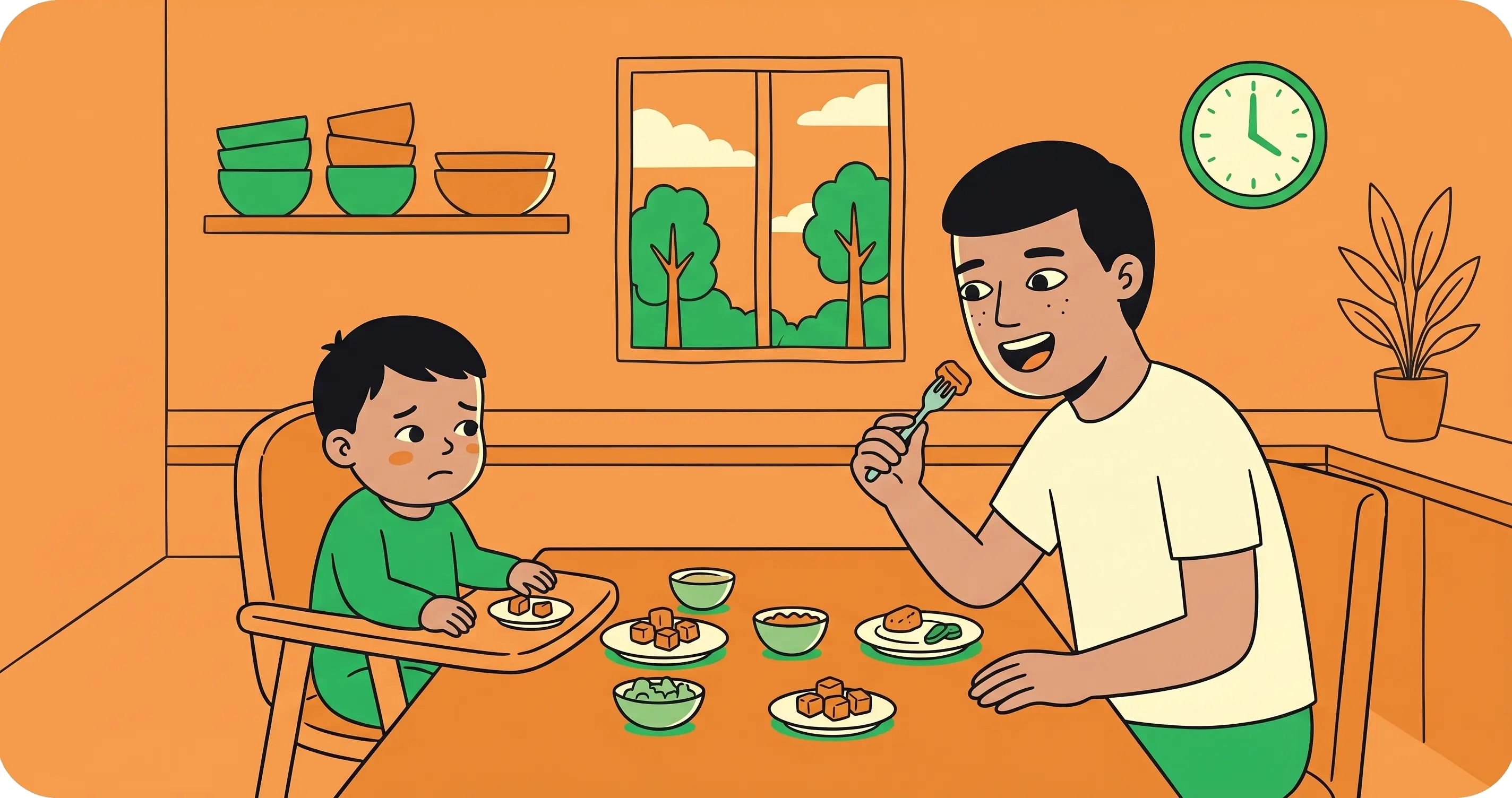
There's no need to weigh products or count every calorie. You can serve a smaller initial portion and allow for seconds. When dealing with picky eating, new foods should be offered without pressure, alongside foods the child knows and accepts.
Incorporate movement, sleep, and rest
Activity should be tailored to age, fitness, and interests. A walk, bike ride, dance, playground play, or walking the dog can be as valuable a start as organized activities. Don't present exercise as punishment for eating.
Regular sleep is also important. Too little rest can make it difficult to regulate appetite and limit the desire for activity. A consistent bedtime routine and putting away screens before sleep help.
How to tailor actions to age?
Children up to 3 years old
For infants and young children, do not independently limit milk, fat, or energy intake. The method of assessing development depends on age, so any concerns about growth rate should be discussed with a pediatrician. Special consultation is needed for feeding difficulties, choking, frequent vomiting, very limited diet, or growth stagnation.
Preschool children
Predictability and adult example are key. Shared meals, water available all day, limiting eating during play, and regular opportunities for free movement help. Don't require trying or finishing every portion.
School-age children and teenagers
Older children should be involved in meal planning, shopping, and choosing activities. However, be careful not to pass on responsibility for weight outcomes. For teenagers, it's especially important to ask about self-esteem, peer pressure, online comments, and attempts at restrictive eating.
A four-week family change plan
The following plan helps organize daily life but does not replace individual consultation. The pace and scope of changes should be adjusted to the family's capabilities and the child's health.
Week 1: observation and daily rhythm
- Note approximate meal and sleep times.
- Check when snacking occurs most often.
- Introduce one family meal without screens.
- Don't weigh the child daily or comment on their appearance.
Week 2: drinks and available snacks
- Serve water as the primary drink.
- Limit buying sugary drinks.
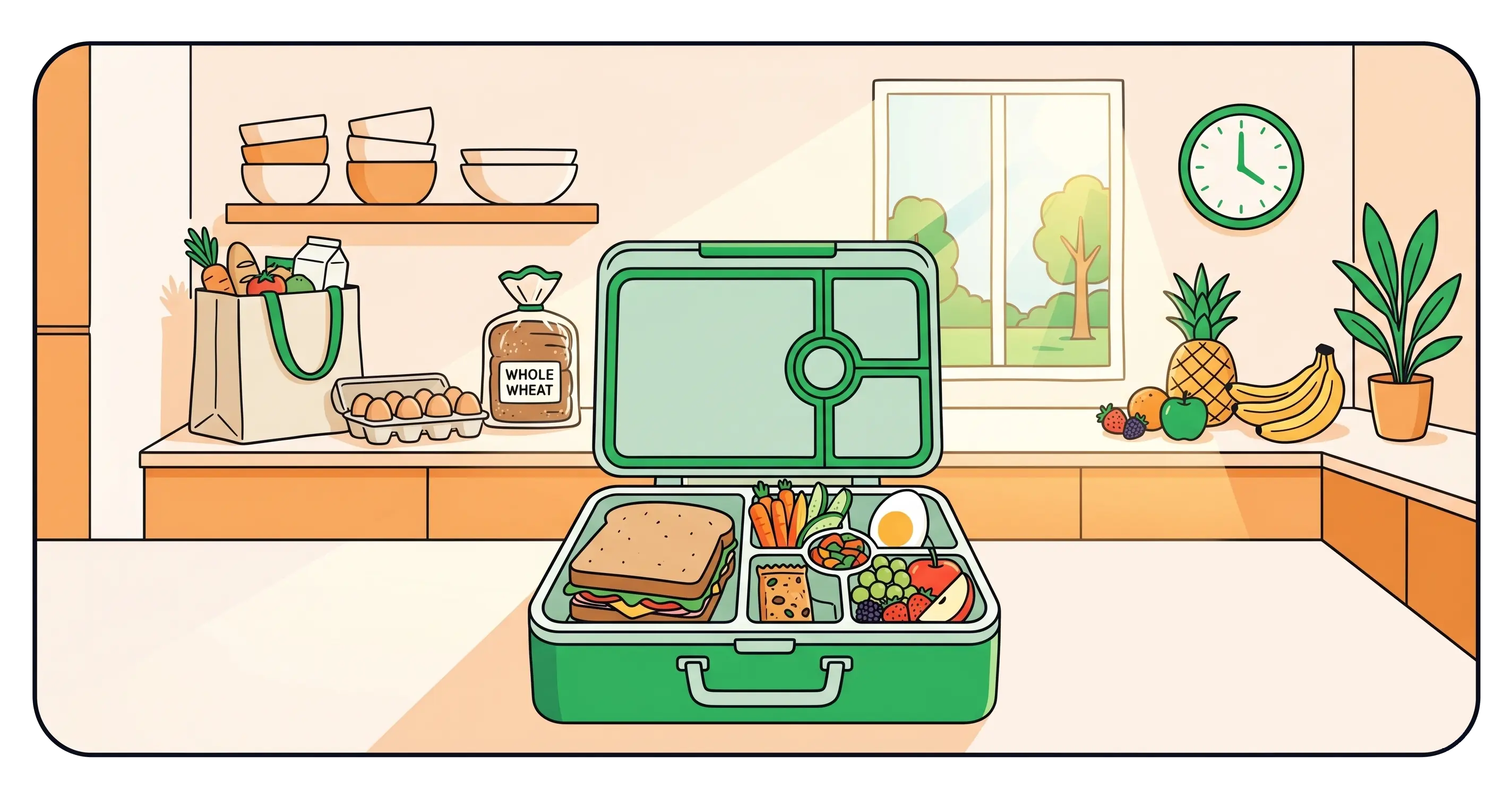
- Prepare a simple meal after preschool or school, such as a sandwich with a vegetable, natural yogurt with fruit, or hummus with bread.
- Establish a designated eating area instead of eating throughout the house.
Week 3: movement and sleep
- Choose an activity together that the child enjoys.
- Add a short session of movement to the usual daily schedule.
- Establish a calm evening routine.
- Limit screens during meals and before sleep.
Week 4: consolidation
- Check which changes were sustainable.
- Keep two or three key rules.
- Evaluate energy, sleep, well-being, and table atmosphere, not just weight.
- If difficulties arise, write down questions for consultation.
Materials from the Institute of Mother and Child emphasize the importance of tailoring nutrition and activity to a child's age and developmental needs [4]. Therefore, a universal plan should not replace a pediatric assessment, especially for the youngest children and those with chronic illnesses.
How to know if the change is benefiting the child?
A positive direction doesn't always mean a decrease in the number on the scale. Depending on age, stage of puberty, and health status, the goal may be slower weight gain with continued growth, BMI stabilization, or another result agreed upon with a doctor.
Observe:
- a more predictable meal rhythm,
- less random snacking,
- better sleep and energy during the day,
- more freedom during movement,
- a calmer atmosphere at the table,
- no guilt or anxiety related to eating.
Don't praise the child solely for weight change or tie rewards to measurement results. Growth monitoring is best done at intervals recommended by the pediatrician.
When to consult a pediatrician or dietitian?
Plan a consultation with a pediatrician if weight increases faster than height, the BMI percentile changes significantly, or if you're unsure how to interpret measurements. The doctor can assess growth charts, blood pressure, child development, and any symptoms of coexisting conditions. If needed, they will recommend further tests or consultations.
The help of a dietitian experienced with children can be useful when it's difficult to establish a regular diet, the child has allergies, a chronic illness, significant food selectivity, or if conflicts around food are growing at home. Support should include the family and not be based on shaming or restrictive diets without medical indications.
Signals requiring quicker consultation
- rapid weight change or growth stagnation,
- excessive thirst, frequent urination, or noticeable weakness,
- loud snoring, breathing pauses during sleep, or significant daytime sleepiness,
- shortness of breath, chest pain, fainting, or heart palpitations during exertion,
- recurring headaches, vision disturbances, or swelling,
- binge eating, inducing vomiting, hiding food, or prolonged fasting,
- strong fear of eating, mood deterioration, withdrawal, or experiencing violence due to appearance.
Resting shortness of breath, loss of consciousness, severe chest pain, or self-harm threats require urgent medical help.
Frequently Asked Questions
Should a child be weighed regularly at home?
Usually, frequent weighing is unnecessary. Daily or weekly measurements can increase tension and focus on appearance. The frequency of checks is best determined with a pediatrician, who interprets the result along with growth and development progress.
Is it necessary to completely eliminate sweets?
A total ban is generally not necessary and may increase interest in the forbidden product. It's better to ensure regular, filling meals and establish calm, predictable rules about sweets. They shouldn't be used as a reward or a way to comfort.
What to do if a child asks for food shortly after a meal?
First, check if the meal was filling enough and if the child could decide on their portion. Also, consider thirst, boredom, fatigue, or emotions. If strong hunger persists despite regular meals or is accompanied by excessive thirst, weakness, or rapid weight change, a pediatric consultation is needed.
Should the whole family change habits?
Yes. Shared rules reduce feelings of exclusion and make them easier to maintain. Water at the table, meals without screens, regular sleep, and family exercise can benefit all household members, regardless of their weight.
Is the BMI result alone enough to identify a problem?
No. The BMI percentile is one element of the assessment. A pediatrician also considers growth rate, stage of puberty, body composition, health status, medications, sleep, diet, activity, and psychosocial situation.
Summary
Helping a child with excess weight begins with a kind assessment of health, not criticism of appearance. The safest changes are family-oriented: more regular meals, water instead of sugary drinks, eating without screens, exercise tailored to abilities, and adequate sleep. It's also important to assess well-being and the relationship with food.
If measurements or the child's behavior raise concerns, the first step should be a consultation with a pediatrician. A pediatric dietitian can then help translate recommendations into a practical plan considering the age, health, preferences, and capabilities of the whole family.
Sources
- American Academy of Pediatrics, Clinical Practice Guideline for the Evaluation and Treatment of Children and Adolescents With Obesity, Pediatrics, 2023.
- Centers for Disease Control and Prevention, materials on childhood obesity and the impact of weight stigma.
- National Center for Nutrition Education, materials on preventing overweight and obesity in children and family nutrition principles.
- Institute of Mother and Child, guides for parents on nutrition, activity, and proper child development.
- World Health Organization, Guideline: Sugars Intake for Adults and Children, 2015.