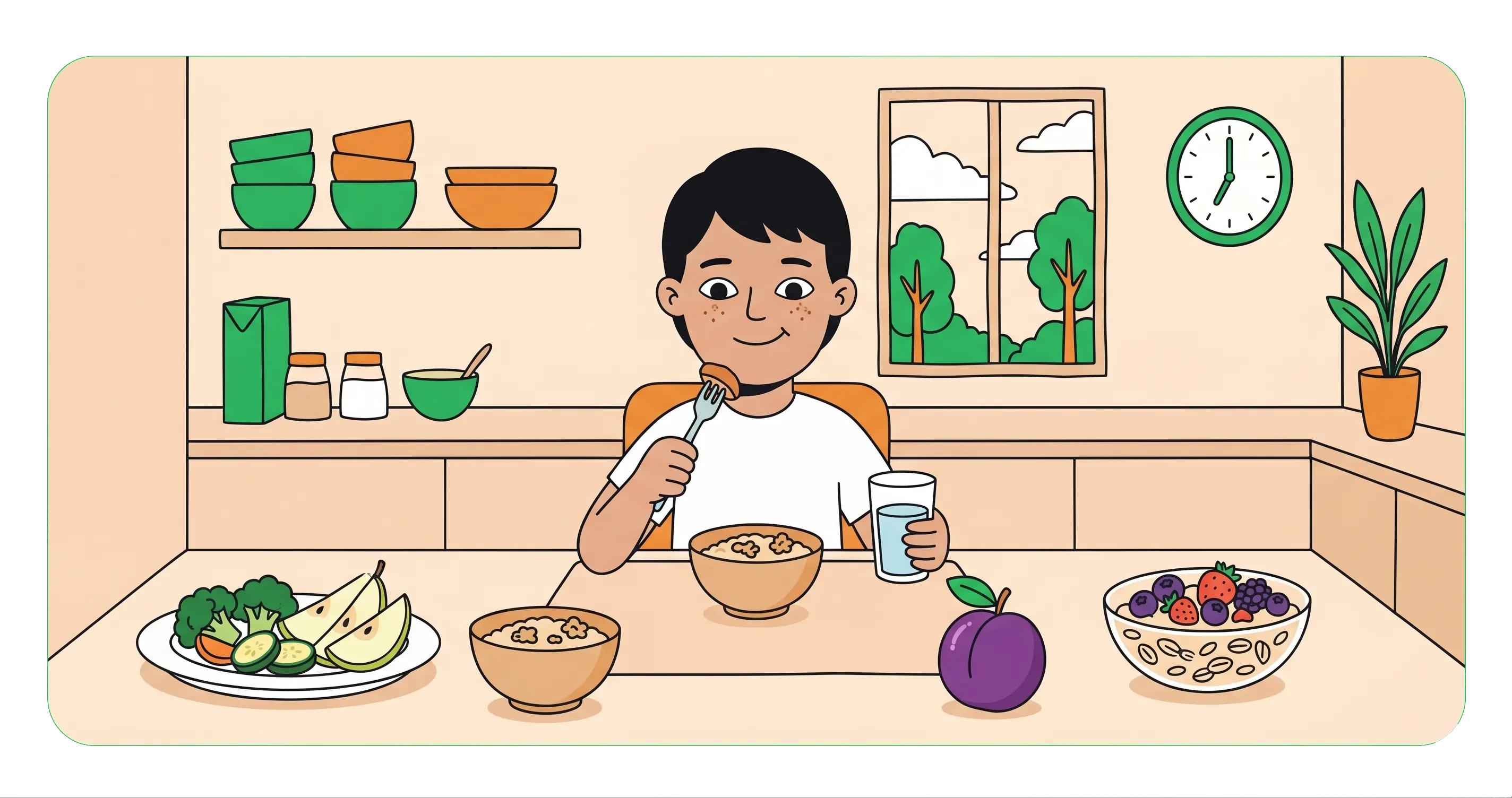
A reduced appetite for a few days, reluctance to try new foods, or occasionally choosing only familiar dishes are often part of a child's development. However, a consultation is recommended when difficulties persist, worsen, affect growth, or cause significant stress during meals.
The choice of specialist depends on the symptoms. A pediatric dietitian helps assess nutrition and plan practical changes but does not replace a doctor in diagnosing diseases. In some situations, the first step should be a pediatrician, gastroenterologist, allergist, or feeding therapist.
Who to Consult for a Child's Eating Problem?
Pediatric Dietitian
Consider consulting a dietitian when:
- the child's diet is not varied or is gradually narrowing,
- the child eats little but shows no symptoms requiring urgent medical attention,
- the parent is unsure if the diet meets energy and nutrient needs,
- there are constipation issues, and dietary and fluid intake needs to be organized,
- weight gain is too rapid compared to height growth,
- a diet needs to be planned after diagnosing allergies, celiac disease, or another condition,
- meals are irregular, frequent snacks limit appetite, or eating mainly occurs in front of screens.
The dietitian analyzes growth and weight measurements, feeding history, diet, daily routine, and the child's behavior at the table. Free dietary consultations for children and adults are also available at the National Center for Nutrition Education's Online Dietetic Center [1].
Pediatrician
A pediatrician should be the first specialist if there are general symptoms, a sudden change in appetite, growth problems, or gastrointestinal issues. The doctor will assess the child's condition, growth chart, and hydration, and if necessary, order tests or refer to another specialist.
Contact a pediatrician if your child:
- is losing weight, not gaining, or significantly changes their growth trajectory,
- is pale, weak, sleepy, or tires easily,
- has recurring stomach pain, diarrhea, constipation, or vomiting,
- experiences excessive thirst, urinates frequently, or constantly reports hunger,
- suddenly starts eating much less than before,
- has difficulty drinking or shows signs of dehydration.
A single weight measurement does not determine a problem. The trend visible on growth charts, growth rate, health status, and the child's developmental stage are important.
Pediatric Gastroenterologist
A gastroenterological consultation may be needed when eating difficulties are accompanied by chronic or recurring gastrointestinal symptoms such as:
- frequent vomiting or severe regurgitation,
- persistent diarrhea or constipation resistant to basic treatment,
- pain during or after eating,
- blood in the stool,
- swallowing problems or a sensation of food sticking,
- suspected reflux, celiac disease, or inflammatory bowel disease,
- insufficient growth combined with digestive symptoms.
Usually, the starting point is a visit to a pediatrician who will assess whether a referral is needed and what tests should be conducted.
Pediatric Allergist
An allergist is the right specialist when specific products repeatedly cause hives, swelling, wheezing, vomiting, or other symptoms suggesting an allergic reaction. Diagnosis should not rely solely on self-conducted tests or random exclusion of products.
An elimination diet for a child should have specific indications and be conducted under the supervision of a doctor and dietitian. Unjustified eliminations can increase the risk of deficiencies and hinder diet expansion. NCEZ emphasizes the importance of correctly diagnosing allergies and appropriately balancing an elimination diet [3].
Feeding Therapist
An evaluation by a feeding therapist, such as a speech therapist or another specialist experienced in feeding disorders, is indicated when a child:
- has difficulty biting, chewing, or moving food in the mouth,
- frequently chokes or coughs while eating and drinking,
- holds food in the mouth for a long time,
- struggles with age-appropriate textures,
- reacts with a strong gag reflex to certain textures,
- is visibly afraid of food or refuses it after previous choking,
- accepts only one texture, temperature, or method of serving.
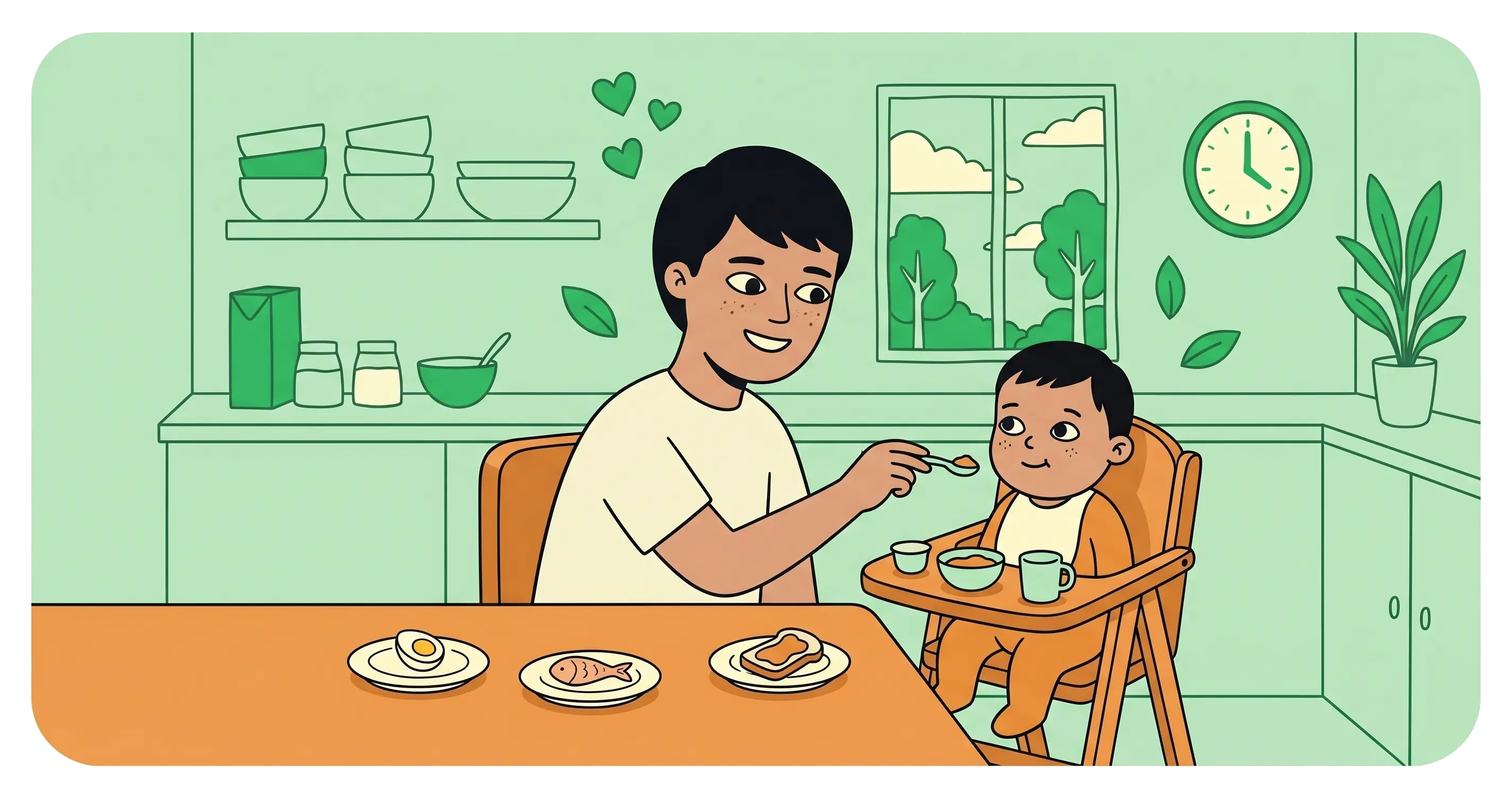
With coughing, choking, and suspected swallowing disorders, medical assessment is also needed. The specialist can check feeding safety and oral functions. Infant feeding guidelines highlight the importance of adapting feeding methods and textures to the child's developmental skills [5].
Simple Decision-Making Guide
| Observed Situation | Recommended First Step |
|---|---|
| Limited diet variety, irregular meals, concerns about diet balance without alarming general symptoms | Pediatric Dietitian |
| Weight loss, lack of gain, paleness, weakness, sudden appetite change, or excessive thirst | Pediatrician |
| Chronic stomach pain, vomiting, diarrhea, blood in stool, or swallowing difficulties | Pediatrician, then gastroenterologist if indicated |
| Repeated reactions to specific products, such as hives, swelling, or vomiting | Pediatrician or Allergist |
| Choking, chewing problems, food retention in the mouth, or failure to progress to new textures | Pediatrician and Feeding Therapist |
| Strong fear of eating, very few accepted foods, or increasing conflicts at the table | Dietitian and Feeding Therapist; sometimes also a child psychologist |
Food Selectivity: Developmental Stage or Problem Signal?
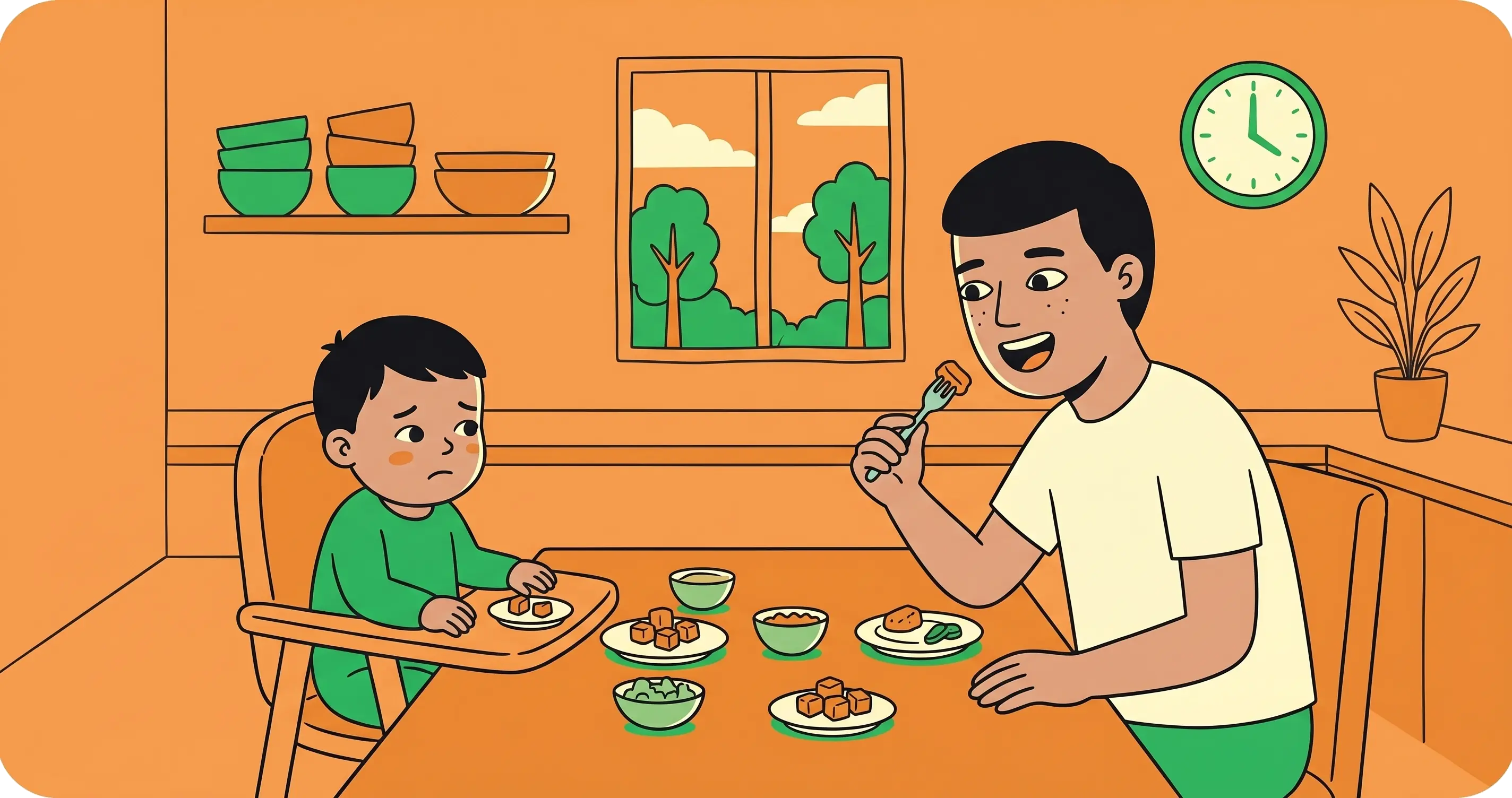
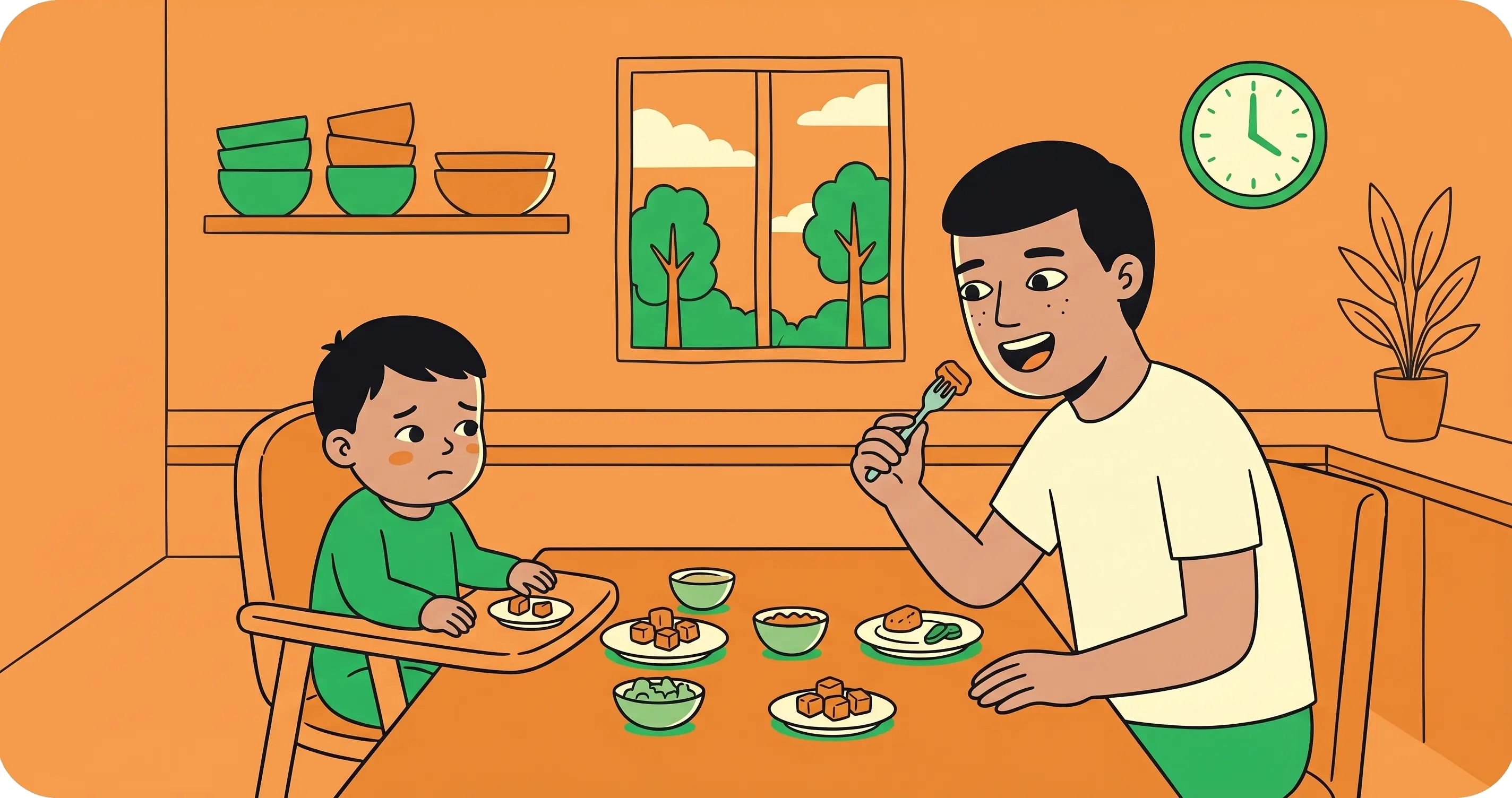
Caution towards new foods, known as food neophobia, is common, especially in young children. Simply refusing to try a new dish does not necessarily indicate a disorder. Helpful strategies include calm, repeated exposure without forcing or pressure [2].
However, plan a consultation if:
- the number of accepted foods is steadily decreasing,
- the child avoids entire food groups,
- eats only products of a specific brand, texture, or color,
- new food causes panic, crying, vomiting, or a strong gag reflex,
- difficulties hinder participation in family meals, preschool, or trips,
- deficiencies, constipation, decreased energy, or growth disorders appear.
Do not force a child to eat, sneak in foods, or tie rewards to the number of bites eaten. Such actions can increase tension and reinforce meal avoidance.
Body Weight and Appetite – What to Watch For?
Concern should primarily arise from a noticeable shift in previous development: weight loss, halted growth, or rapid weight gain disproportionate to height. The child's appearance alone is not enough to assess nutritional status.
In cases of excessive weight gain, do not introduce a restrictive diet without consultation. The approach usually involves the whole family: regular meals, availability of appropriate foods, sleep, exercise, and limiting sugary drinks. Obesity prevention in children should support healthy habits without shaming or focusing conversations on appearance [4].
When to Briefly Observe the Child?
Brief observation may be reasonable if appetite decreased after a mild infection or during teething, and the child:
- drinks and urinates as usual,
- has good energy and remains active,
- is not losing weight,
- has no pain, persistent vomiting, or diarrhea,
- gradually returns to their previous eating habits.
During this time, assess the whole week rather than a single meal. Keeping a record of fluids consumed, accepted foods, symptoms, and behavior at the table can be helpful. If difficulties worsen, the range of foods decreases, or there is no return to previous functioning, consult the child instead of prolonging observation.
When to Consult a Doctor or Specialist?
Signs Requiring Urgent Help
Do not wait for a dietitian appointment and urgently contact a doctor or emergency services if there are:
- breathing difficulties, cyanosis, tongue or throat swelling after eating,
- choking with inability to breathe or make a sound — start appropriate first aid and call 112,
- fainting, altered consciousness, significant drowsiness, or sudden deterioration,
- signs of significant dehydration: very little urine, dry mouth, lack of tears, sunken eyes, or marked apathy,
- persistent vomiting, vomiting with blood or green content,
- severe or increasing abdominal pain, hard abdomen, or blood in stool.
Signs Requiring Prompt Pediatric Consultation
Schedule a pediatrician as soon as possible if the child is losing weight, stopped gaining, regularly chokes during meals, is pale and weak, experiences pain when swallowing, has chronic intestinal symptoms, or suddenly experiences a significant appetite change. A quick assessment is also needed for an infant who is not nursing well, refuses feeding, or has fewer wet diapers than usual.
How to Prepare for a Consultation?
Before the visit, gather:
- current and previous weight and height measurements, preferably with dates,
- a list of illnesses, medications, supplements, and previous recommendations,
- results of any tests performed,
- a description of the onset and course of difficulties,
- a food and drink diary for 3–7 typical days,
- information on meal duration, choking, pain, vomiting, and bowel movements.
The diary does not need to include exact calorie counts. Its purpose is to show meal rhythm, diet variety, and circumstances in which difficulties arise.
Frequently Asked Questions
Do you need to see a dietitian immediately for a picky eater?
Not every temporary reluctance to eat requires consultation. If the child is developing well, has energy, drinks, and accepts products from different groups, you can first organize meal rhythm and calmly observe the situation. Consultation is recommended if the range decreases, meals are accompanied by high tension, or health symptoms appear.
Can a dietitian diagnose a food allergy?
No. Allergy diagnosis is the responsibility of a doctor, usually a pediatrician or allergist. The dietitian helps safely balance an elimination diet after medical indications are established.
Should you force a child to try one bite?
Forcing or pressuring is not recommended. Parents decide what, when, and where to serve, and the child decides whether and how much to eat. New products can be regularly offered alongside familiar dishes, allowing the child to explore them at their own pace.
When is a feeding therapist needed?
When the problem involves not just appetite but also biting, chewing, swallowing, tolerating textures, or strong fear of eating. With choking, coughing during meals, or suspected aspiration, medical evaluation is also needed.
Is rapid weight gain an indication for a dietitian?
Yes, but first discuss growth rate with a pediatrician. The dietitian can then help the family introduce an appropriate meal rhythm and age-appropriate changes without restrictive diets or shaming the child.
Summary
A pediatric dietitian is the right specialist for issues with diet balance, selectivity, meal rhythm, and excessive weight gain. A pediatrician should first assess the child when there is weight loss, halted growth, weakness, sudden appetite change, or health symptoms. Digestive issues may require a gastroenterologist, suspected allergies an allergist, and difficulties with biting, swallowing, and textures a feeding therapist.
If the child's condition rapidly worsens, there are breathing difficulties, fainting, severe dehydration, or persistent vomiting, do not wait for a scheduled consultation.
Sources
- National Center for Nutrition Education, Online Dietetic Center.
- National Center for Nutrition Education, materials on food neophobia.
- National Center for Nutrition Education, Food Allergy in Children.
- National Center for Nutrition Education, materials on obesity prevention.
- American Academy of Pediatrics, Infant Food and Feeding.