Paleness, fatigue, poor appetite, or difficulty concentrating may prompt a parent to check their child's iron levels. However, these symptoms are not exclusive to iron deficiency. Diagnosis requires a conversation with a doctor, an examination of the child, and proper interpretation of results.
Ferritin reflects the body's iron stores. Low levels usually indicate depletion, but results should always be assessed in the context of the child's age, symptoms, blood count, and health status. Ferritin is also an acute-phase protein, so during infection or inflammation, it may be normal or elevated despite iron deficiency [1].
What Causes Iron Deficiency in Children?
The need for iron is particularly high during periods of rapid growth. Premature babies, low birth weight infants, babies during diet expansion, picky eaters, and teenagers with heavy menstrual periods are more at risk of deficiency.
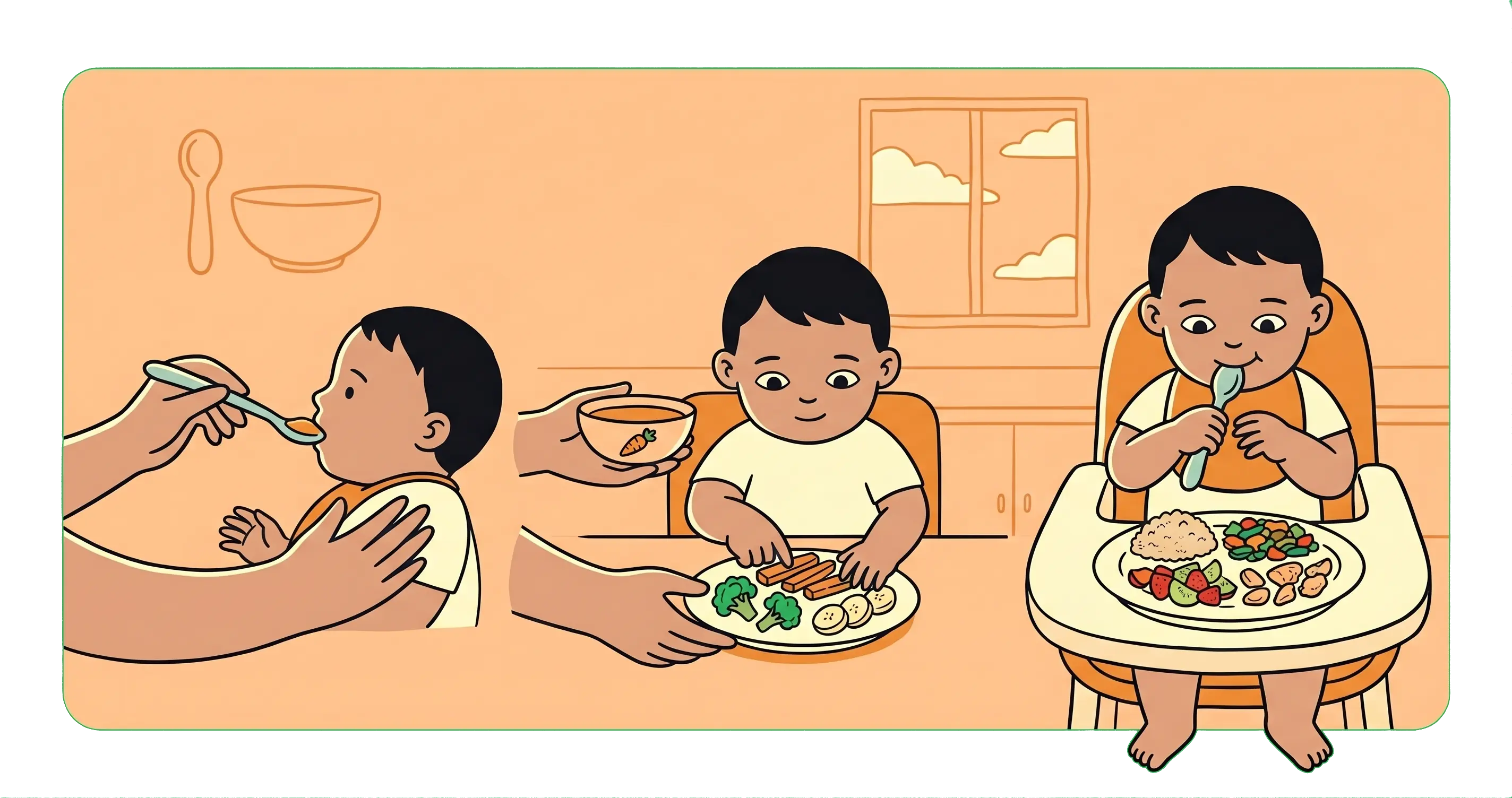
In infants, the timing and quality of diet expansion matter. After about 6 months of age, iron stores accumulated before birth gradually decrease, so iron-containing foods should regularly appear in the diet. Infants and young children have relatively high iron needs per body weight [3].
For children over 1 year old, excessive milk consumption is a common issue as it can satisfy hunger and displace meat, fish, legumes, eggs, and iron-fortified products from the diet. Cow's milk should not be the main drink before 12 months of age. Older children don't need to eliminate dairy, but its quantity should be adjusted to their age and overall diet [2].
Other possible causes include chronic bleeding, absorption disorders, gastrointestinal diseases, chronic inflammation, and increased blood loss. Therefore, low ferritin should not be automatically attributed solely to diet.
What Symptoms May Accompany Iron Deficiency?
Initially, iron deficiency may not cause noticeable symptoms. Over time, parents may observe:
- paleness of the skin and mucous membranes,
- fatigue and decreased exercise tolerance,
- sleepiness, weakness, or irritability,
- poor appetite,
- difficulty concentrating and learning,
- headaches or dizziness,
- unusual cravings for non-food substances like dirt, chalk, or paper.
None of these symptoms alone confirm iron deficiency. Similar issues can occur with infections, sleep disorders, thyroid diseases, and many other conditions.
Low Ferritin and Anemia
Low ferritin and anemia are not the same. Iron stores may be depleted before hemoglobin levels drop. Conversely, anemia may have causes other than iron deficiency.
A doctor may order a blood count with red blood cell parameters, ferritin, and depending on the situation, inflammation markers and other tests. Results should not be interpreted solely by comparing one value to the laboratory's reference range. Age, past infections, chronic diseases, and previously used supplements are important factors.
What to Eat with Low Ferritin?
The diet should regularly provide iron, protein, and energy needed for growth. Iron is present in food in two basic forms: heme and non-heme.
Sources of Heme Iron
Heme iron is found in animal products and is generally better absorbed than non-heme iron. Sources include:
- beef, veal, and pork,
- turkey and chicken, especially darker meat,
- fish,
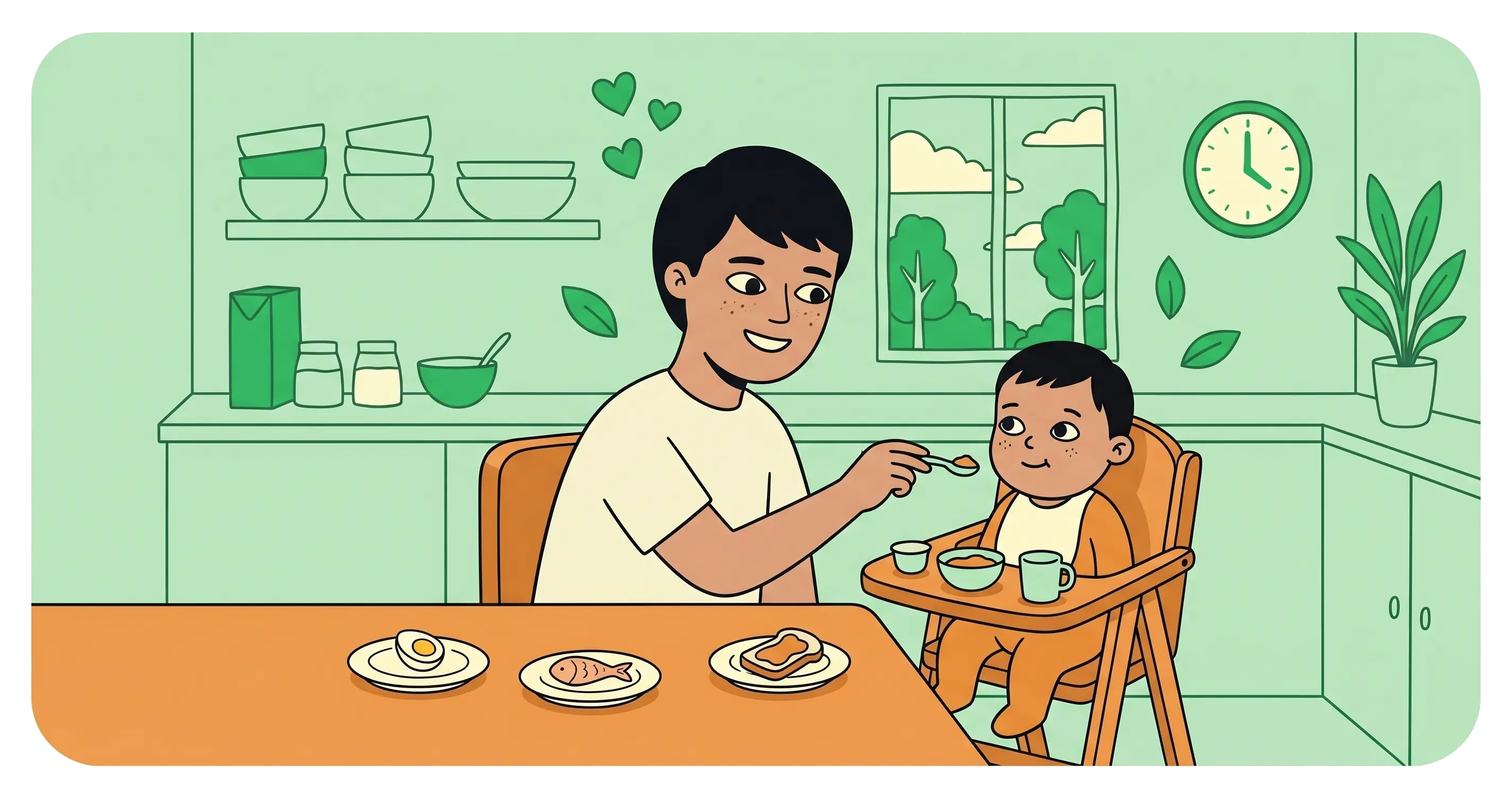
- eggs, which can supplement the diet, though they are not the richest sources of iron.
Organ meats are high in iron, but due to their high vitamin A content, they should not be used as a daily way to improve results. Discuss their inclusion with a specialist.
Plant-Based Sources of Iron
Non-heme iron is found in:
- lentils, beans, chickpeas, and peas,
- tofu and other age-appropriate soy products,
- oatmeal, groats, and whole-grain bread,
- seeds and nuts served in a child-safe form,
- fortified cereals and iron-enriched porridges,
- green leafy vegetables.
Plant foods can be an important part of the diet, but the iron they contain is absorbed to a lesser extent. In vegetarian or vegan diets, variety, regularity, and proper meal balancing are especially important. Iron needs change with age and the child's growth rate [5].
Why Add Vitamin C?
Vitamin C enhances the absorption of non-heme iron. No special supplement is needed—usually, it's enough to combine an iron source with a vegetable or fruit. The whole meal matters, not just one "best" product [4].
Practical combinations include:
- iron-fortified porridge with strawberries, kiwi, or fruit puree,
- oatmeal with raspberries or currants,
- hummus with bell pepper or tomato,
- lentil spread with parsley and vegetables,
- meat or fish with broccoli, salad, or age-appropriate sauerkraut,
- bean and tomato stew.
Beets and spinach can be part of a varied diet, but alone they are insufficient to replenish deficiency. Do not base an entire diet plan on one vegetable, juice, or puree.
What Can Limit Iron Utilization from Meals?
There's no need to eliminate entire food groups. However, pay attention to a few elements:
- Excessive milk: can reduce appetite for more nutritious meals and displace iron sources.
- Tea and cocoa: compounds in them may limit non-heme iron absorption, so they are not the best drink with an iron-rich meal.
- Monotonous diet: a diet mainly based on bread, dairy, and snacks may provide too little iron, even if the child regularly eats.
- Low energy intake: very small portions and frequent meal replacements with drinks make it difficult to meet needs.
Dairy remains an important source of protein and calcium. There's no need for strict intervals between each meal and dairy products. It's more important to avoid excessive milk and ensure diverse iron-rich foods throughout the day.
Sample Menu Supporting Iron Intake
The following suggestions are examples, not an individual treatment plan. Portion size, consistency, and number of meals should be adjusted to the child's age, appetite, chewing skills, and any allergies.
Child Aged 1–3 Years
- Breakfast: iron-fortified porridge with raspberry or strawberry puree.
- Snack: bread with hummus and soft pieces of bell pepper.
- Lunch: turkey meatballs, groats, and broccoli.
- Afternoon snack: fruit and bean spread served with bread.
- Dinner: red lentil and tomato soup.
Child Aged 4–6 Years
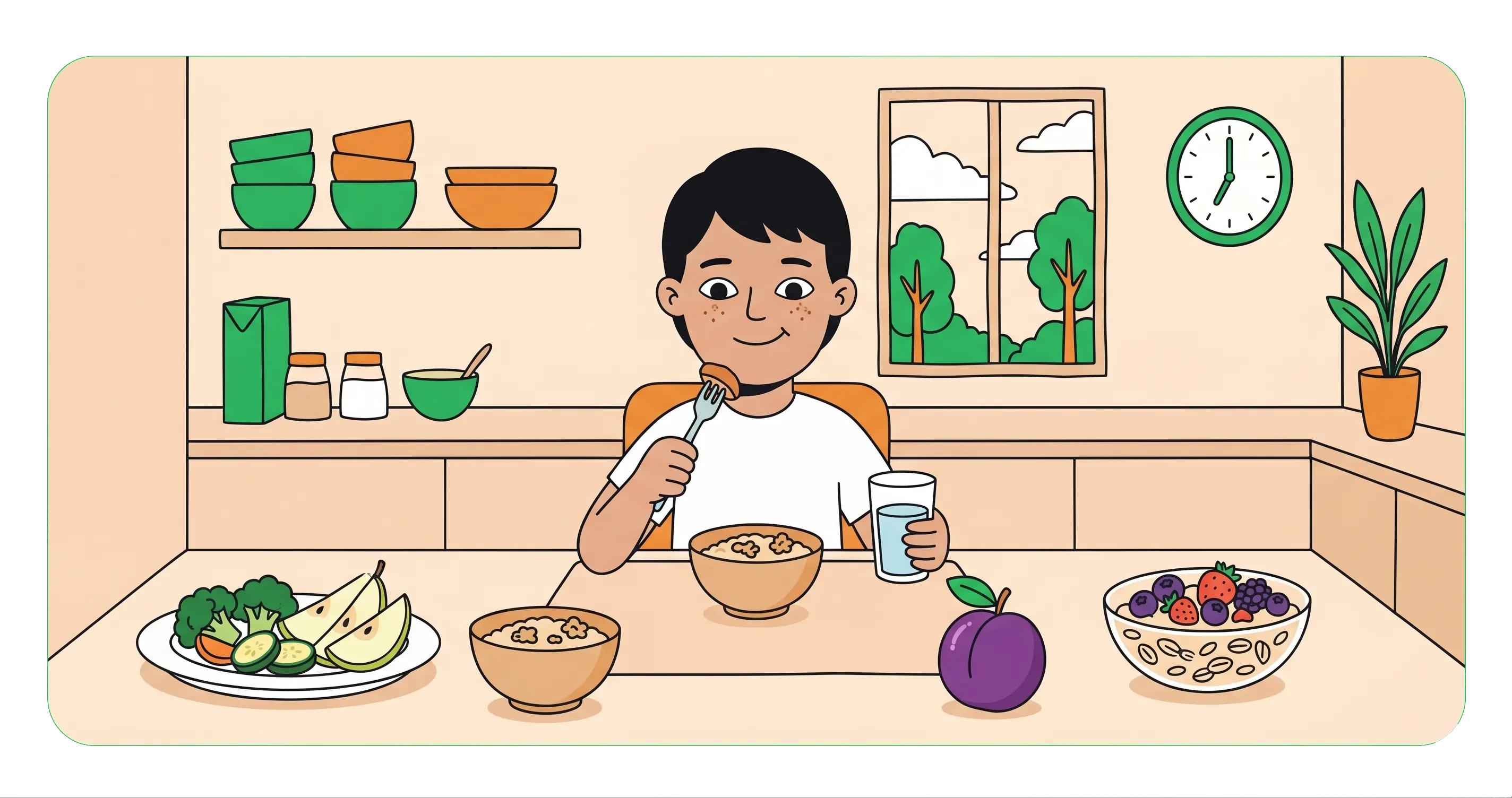
- Breakfast: oatmeal with kiwi or currants.
- Snack: sandwich with roasted meat or chickpea spread and tomato.
- Lunch: beef or bean stew, buckwheat groats, and salad with bell pepper.
- Afternoon snack: fruit and bread with egg spread.
- Dinner: lentil spread with vegetables.
Child Aged 7–12 Years
- Breakfast: oatmeal with berries and ground seeds.
- Snack: sandwiches with meat, tofu, or hummus and bell pepper.
- Lunch: fish, meat, or legumes, groats, and vitamin C-rich vegetables.
- Afternoon snack: chickpea and tomato salad.
- Dinner: egg, bean spread, or lentil soup.
How to Handle Picky Eating?
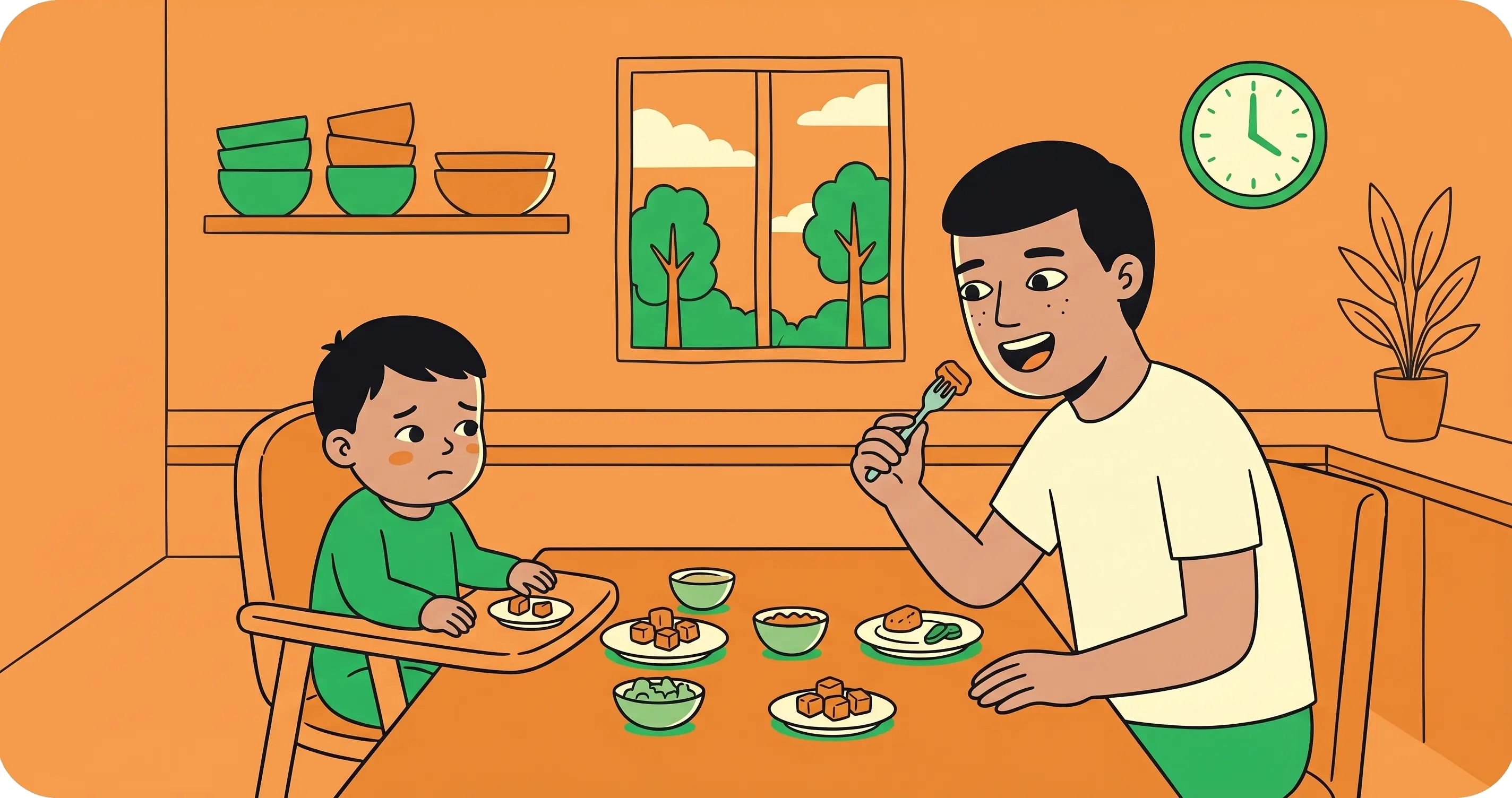
Pressure, forcing, and hiding large amounts of new foods usually don't help build a safe relationship with food. It's better to regularly offer a small portion of an iron-rich product alongside foods the child already accepts.
You can change the presentation: meat can appear as a soft meatball, legumes as a spread or sauce ingredient, and fortified cereals as part of a familiar breakfast. If a child accepts very few products, reacts with fear to food, chokes, has difficulty chewing, or doesn't grow properly, a consultation with a pediatrician, pediatric dietitian, or feeding therapy specialist may be needed.
Is Diet Alone Enough?
Improving the diet is important, but with confirmed deficiency or anemia, it may not be enough to replenish stores. Polish guidelines for children include treatment with an iron supplement tailored to age, body weight, results, and the cause of deficiency [1].
Do not start supplementation, change doses, or give a child an adult supplement on your own. Excess iron can be toxic, and accidental ingestion of a large dose requires urgent medical help. Keep supplements out of children's reach.
Don't expect quick improvement solely from dietary changes. The rate of replenishment depends on the deficiency's severity, cause, treatment, and coexisting diseases. The doctor should set the timing for follow-up tests.
When to Consult a Doctor or Specialist?
Pediatric consultation is needed for low ferritin, abnormal blood count, or persistent symptoms suggesting deficiency. Don't delay a visit if the child:
- is noticeably pale, weak, or constantly sleepy,
- tires quickly or has heart palpitations,
- refuses to eat, loses weight, or doesn't grow properly,
- has chronic diarrhea, abdominal pain, blood in stool, or other gastrointestinal symptoms,
- eats non-food substances,
- has a very limited diet,
- was born prematurely or has a chronic illness,
- has heavy menstrual periods.
Urgent evaluation is required for restlessness, fainting, significant weakness, altered consciousness, very rapid heartbeat, or suspected ingestion of a large amount of iron supplement.
Frequently Asked Questions
Does Low Ferritin Always Mean Iron Deficiency?
Low ferritin usually indicates reduced iron stores. Interpretation requires considering age, blood count, symptoms, and clinical status. During infection or inflammation, ferritin may rise and not reveal an existing deficiency.
Can I Give My Child Iron Without Consultation?
No. The dose depends on factors like body weight, results, and the purpose of the supplement. Excess iron is toxic, so supplementation should be recommended and monitored by a doctor.
Should a Child with Low Ferritin Stop Drinking Milk?
Usually, there's no need to completely stop milk and dairy. However, assess whether the child drinks so much that it limits appetite for other foods. Discuss the appropriate amount of milk with a pediatrician or dietitian.
How Best to Combine Iron-Rich Foods?
It's beneficial to add a source of vitamin C, such as bell pepper, broccoli, tomato, kiwi, strawberries, or berries, to plant-based iron foods. Water is the best drink with the meal instead of tea or cocoa.
Do Beets Raise Ferritin Levels?
Beets are a nutritious vegetable but do not contain enough well-absorbed iron to treat deficiency alone. They can be part of a varied diet but do not replace diagnostics or prescribed treatment.
Summary
For low ferritin, regularly offer your child meat, fish, legumes, iron-fortified grains, and other iron sources. Combine plant foods with vitamin C-rich vegetables or fruits. Avoid situations where large amounts of milk and snacks displace nutritious meals.
Diet supports meeting needs but does not replace medical evaluation. Ferritin should be interpreted in a clinical context, and iron supplementation should not be initiated independently.
Sources
- Polish guidelines on iron deficiency in children.
- Centers for Disease Control and Prevention, Iron Deficiency in Children.
- Scientific review: Iron Status in Infants and Young Children.
- National Center for Nutritional Education, Iron Deficiency Anemia.
- Scientific review: Iron Requirements in Children.