School and Preschool Lunchbox Without Morning Chaos
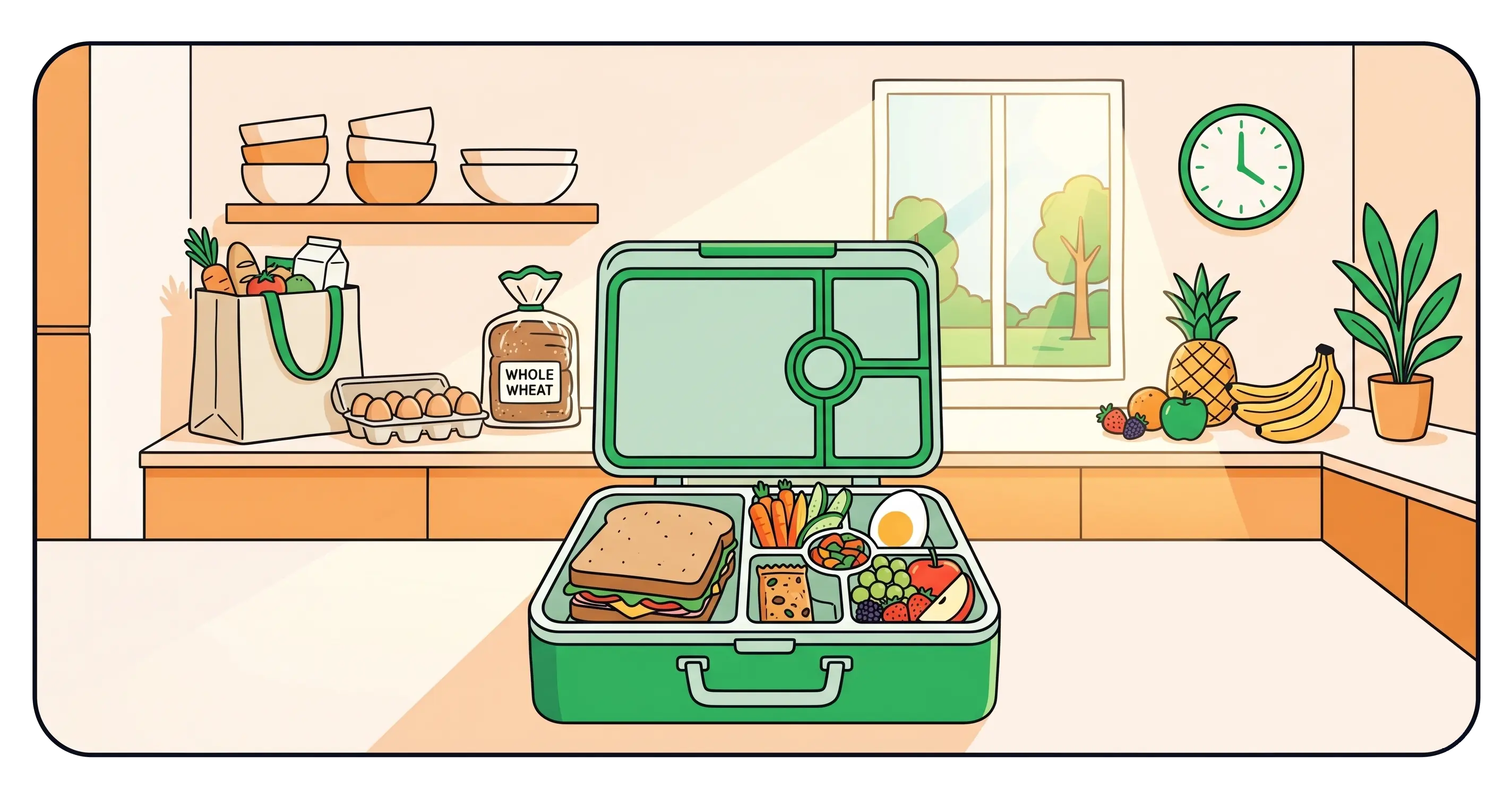
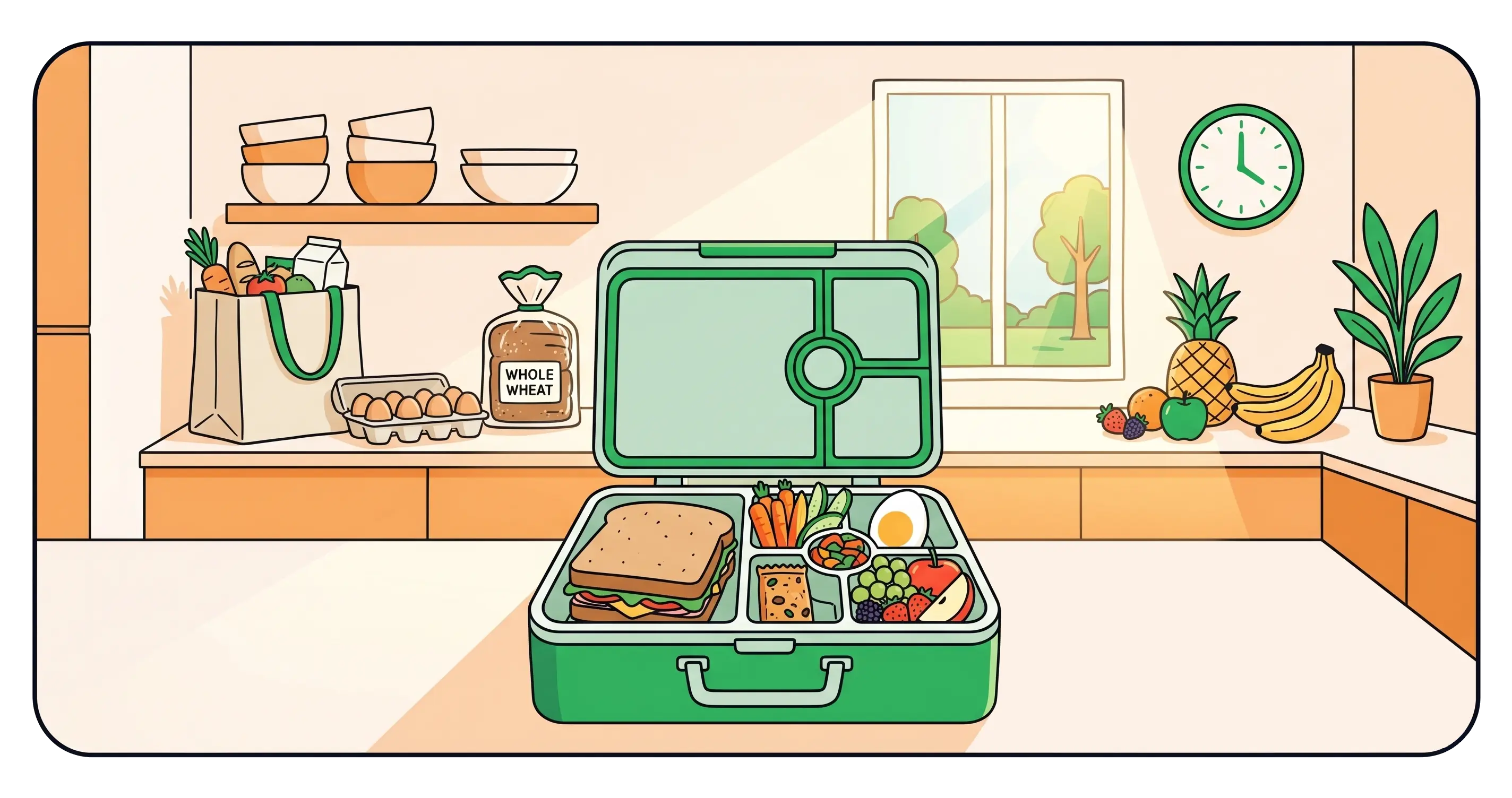
A good lunchbox doesn't need to be fancy or filled with numerous items. It should primarily match your child's appetite, the length of their day, and the conditions in which the meal will be stored. Often, a simple set is enough: a grain product, a protein source, a vegetable or fruit, and water. This scheme aligns with practical recommendations for preparing a school lunch [1].
If food regularly comes back home, the reason isn't always dislike for a particular product. The portion might be too large, the packaging hard to open, or the meal inconvenient to eat during a short break. It's worth starting with smaller amounts of familiar products and gradually adjusting the box's contents.
What Should Be in a Lunchbox?
A simple lunchbox can be built from four elements:
- Grain product, e.g., bread, tortilla, oatmeal, or homemade pancake,
- Protein source, e.g., eggs, cottage cheese, natural yogurt, cheese, hummus, legume paste, or meat,
- Vegetable or fruit, preferably in an easy-to-eat form,
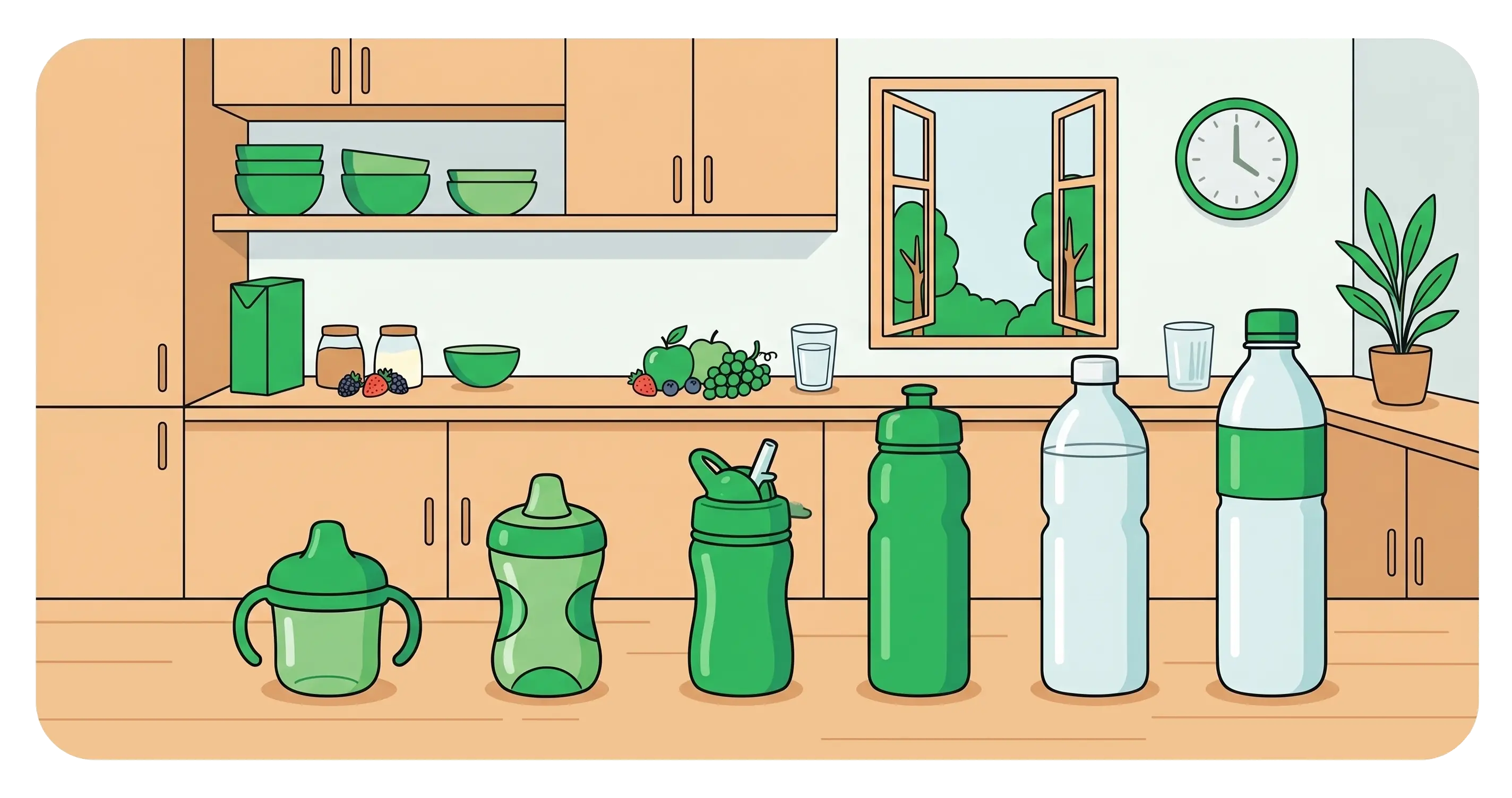
- Water in a bottle that the child can open independently.
It's advisable to choose products with the simplest possible ingredients, treating sweet rolls, bars, sweetened purees, dairy desserts, and drinks as occasional items. Regularly providing sweetened drinks increases the amount of free sugars in the diet without offering the satiety of a full meal [5]. Water should be the primary drink taken to school or preschool.
Not every lunchbox needs to contain all product groups in perfect proportions. The child's overall daily diet is also important. However, the box should provide more than just fruit or dry snacks, especially if there are several hours until the next meal.
How to Choose a Realistic Portion?
Children's appetites vary depending on age, growth rate, activity, meal time, and length of stay at the facility. Portion sizes shouldn't be treated as mandatory norms. A good method is to pack a small initial portion and observe over several days how much the child actually eats.
Children Aged 1–3 Years
The meal should be soft, easy to grasp, and prepared with choking risks in mind. An example of a small portion is half a small sandwich or one small pancake, a few soft pieces of vegetable or fruit, and a small portion of a protein addition. Menus for the youngest should be varied but don't need to contain many products in one meal [3].
Grapes and cherry tomatoes should be cut lengthwise into smaller pieces. Hard vegetables can be grated, cooked, or cut according to the child's abilities. Whole nuts, hard candies, or other choking hazard products shouldn't be placed in the box. It's also important to consider the facility's allergen policies.
Children Aged 4–6 Years
A small sandwich or half a tortilla, a few pieces of vegetable or half a small fruit, and an addition like an egg, cheese, sandwich spread, or yogurt can be a starting point. If the child receives full meals at preschool, an additional lunchbox can be smaller. It's worth checking the facility's menu in advance.
School-Aged Children
For a shorter day, a small sandwich, vegetable or fruit, and water may suffice. For a longer stay or post-class training, a full sandwich or wrap with a protein addition and an extra snack, like yogurt stored cold, fruit, or a homemade pancake, will be useful. Nutrition guidelines in facilities emphasize the importance of product variety and limiting foods high in sugar, salt, and fat [4].
Quick Lunchbox Ideas
Rotating a few simple sets works best in daily planning. Ingredients can be changed according to the child's preferences, product availability, and school or preschool rules.
- Sandwich with cheese and lettuce, cucumber, mandarin, water,
- Half a tortilla with hummus and vegetables, apple, water,
- Bread with egg paste, pepper or cucumber, water,
- Oat pancake, natural yogurt stored with a cooling pack, fruit,
- Mini roll with cottage cheese, soft vegetable pieces, water,
- Sandwich with roasted meat, lettuce, pear, water,
- Cold-stored egg muffin, bread and vegetables,
- Bean or lentil paste, bread, and sliced vegetables.
It's better not to add a lot of sauce or very juicy ingredients to sandwiches. Tomatoes can be packed separately, and bread can be protected with a lettuce leaf. Products should be easy to remove and eat without adult assistance.
Food Safety in the School Lunchbox
Food requiring refrigeration shouldn't stay in a warm backpack for several hours. This includes yogurt, cottage cheese, eggs, egg pastes, meat, fish, and sandwiches with perishable additions. NFZ materials emphasize both the proper selection of products and appropriate meal storage [2].
Key Rules
- Wash hands, the counter, utensils, and the lunchbox before preparing the meal.
- Thoroughly wash and dry vegetables and fruits.
- Chill products requiring refrigeration before packing and place them in a thermal bag with a frozen cooling pack.
- Don't place a warm meal directly into a closed box if it needs to be stored cold.
- Use airtight containers intended for food contact.
- Wash the bottle and box daily, paying attention to seals, caps, and hard-to-reach places.
- Don't repack easily perishable leftovers that have been out of the fridge for many hours the next day.
If cooling can't be ensured, it's safer to choose less perishable products, like whole fruits, washed and dried vegetables, bread, dry pancakes, or a sandwich with a simple composition prepared as shortly as possible before leaving. A sealed container doesn't replace cooling. Extra caution is needed on hot days.
What to Do When the Lunchbox Comes Back Full?
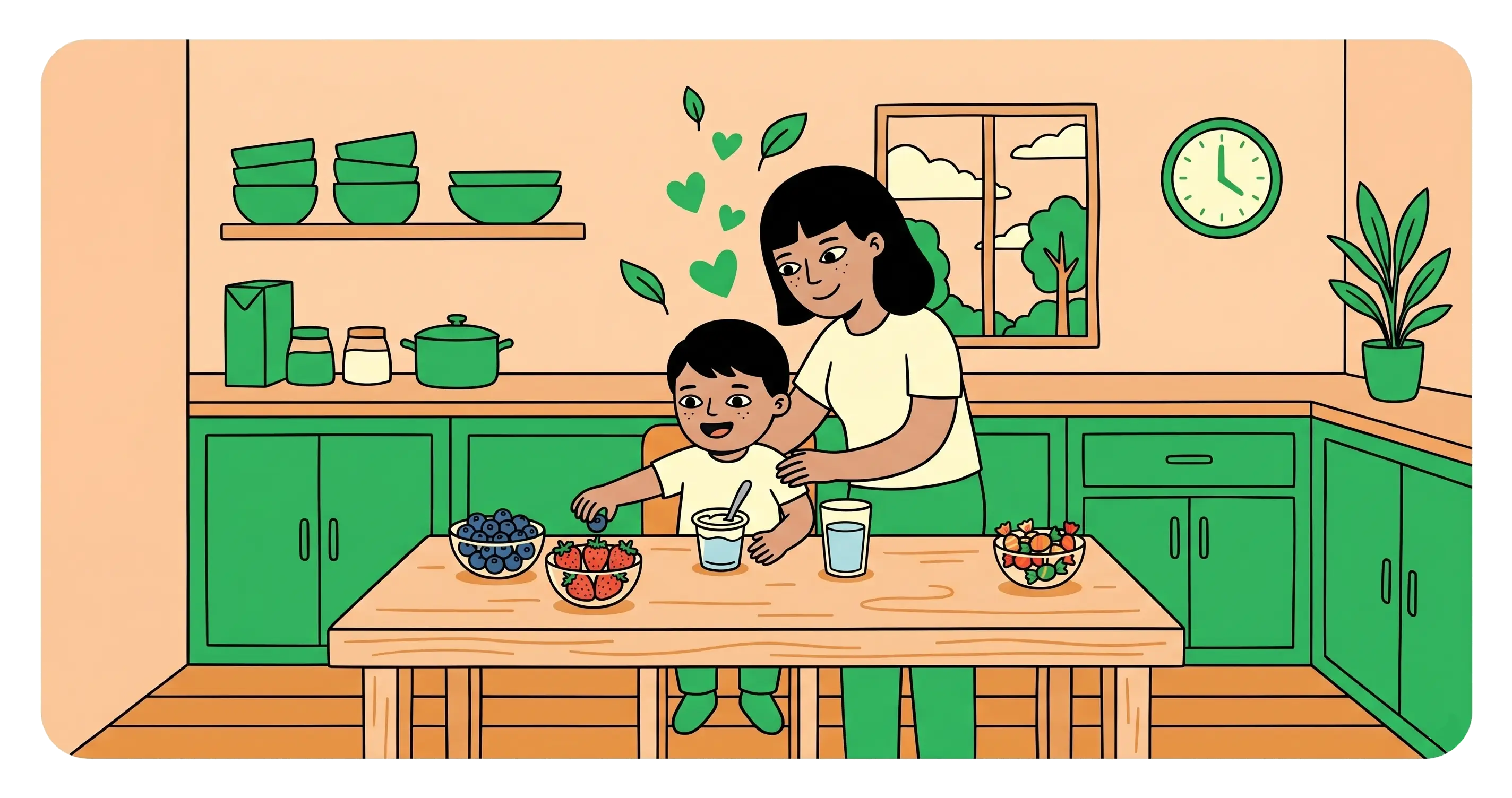
Instead of urging the child to eat the entire portion, it's worth calmly determining the reason. Specific questions can help: was there not enough time, was the box hard to open, did the food change consistency, or did the portion seem too large?
For selective eating, a simple scheme can be used: one well-accepted product, another familiar one, and a very small portion of a less familiar product. An example is half a sandwich, a few pieces of a favorite banana, and one or two sticks of a new vegetable. The child doesn't have to eat the new product. Regular, neutral exposure can gradually increase familiarity.
It may also help to:
- reduce the portion instead of adding more snacks,
- serve ingredients separately if the child doesn't accept sandwiches or mixed dishes,
- choose a box the child can open independently,
- jointly select two or three sets for the next week,
- check what time the break is and how long it actually lasts.
Products to Limit
The problem isn't a single bar or sweet roll, but their regular replacement of a nutritious meal. In the daily lunchbox, it's worth limiting:
- sweetened drinks, flavored waters, and energy drinks,
- bars, candies, and sweet pastries,
- sweetened dairy desserts and breakfast cereals with high sugar content,
- salty snacks like chips and crisps,
- highly processed meat products with high salt content.
Fruit puree can be a convenient addition but shouldn't constantly replace whole fruits. When choosing packaged products, it's worth comparing labels and paying attention to sugar, salt content, and ingredient lists.
Weekly Lunchbox Plan
- Monday: Sandwich with cheese, cucumber, mandarin, and water.
- Tuesday: Tortilla with hummus and vegetables, apple, and water.
- Wednesday: Bread with cold-stored egg paste, pepper, and water.
- Thursday: Sandwich with cottage cheese in a thermal bag, vegetable, and fruit.
- Friday: Oat pancake, natural yogurt with a cooling pack, and water.
The plan is a starting point, not a rigid menu. Sets should be adjusted to allergies, medical recommendations, the facility's menu, the child's activity, and appetite.
Simple Shopping List
- Whole grain or mixed bread, tortilla, oatmeal,
- Eggs, natural yogurt, cottage cheese, and cheese,
- Hummus or ingredients for homemade legume paste,
- Home-roasted meat, if accepted by the child,
- Vegetables, e.g., cucumber, pepper, tomato, and carrot,
- Fruits, e.g., apples, bananas, pears, and mandarins,
- Water,
- Thermal bag and cooling packs for products requiring low temperature.
When to Consult a Doctor or Specialist?
Occasionally reduced appetite or leaving part of a meal usually doesn't indicate illness. Consultation with a pediatrician, and if necessary, a pediatric dietitian or feeding specialist, is advised when:
- The child loses weight, doesn't grow according to their previous growth chart, or noticeably weakens,
- The list of accepted products quickly shortens or includes only a few items,
- Eating is accompanied by pain, choking, frequent coughing, vomiting, or difficulty chewing and swallowing,
- There are recurring stomach pains, diarrhea, constipation, or other persistent issues,
- Symptoms of possible allergy appear after eating, e.g., hives, swelling, wheezing, or difficulty breathing,
- The child experiences strong anxiety about eating or meals regularly lead to significant tension.
Breathing difficulty, tongue or throat swelling, loss of consciousness, and choking require immediate help by calling 112.
Frequently Asked Questions
Does a child need a different lunchbox every day?
No. Repeating a few accepted sets makes shopping and meal preparation easier. Variety can be gradually built by changing one element, e.g., the type of fruit, vegetable, or bread spread.
Can yogurt or eggs be put in the lunchbox?
Yes, provided cooling is maintained. The product should be pre-chilled and transported in a thermal bag with a frozen pack. Without the ability to keep a low temperature, it's better to choose another set.
What should a child drink?
Water should be the primary choice. Juices, fruit drinks, flavored waters, and sweetened tea can provide significant amounts of sugar, so they shouldn't be a daily substitute for water.
Is just fruit enough for a second breakfast?
It may suffice as a small snack during a short day, but usually doesn't replace a full second breakfast. If there are several hours until lunch, it's worth combining fruit with a grain product and a protein source.
How to check if the portion is appropriate?
Observe how much the child eats over several days and ask if they had enough time. If most of the food returns, reduce the portion. If the child is hungry long before the next meal, add a small filling element, e.g., part of a sandwich, an egg, or yogurt stored cold.
Summary
A practical lunchbox should be simple, safe, and tailored to the child. A grain product, protein source, vegetable or fruit, and water create a universal base. Equally important are the appropriate storage temperature, easy-to-open packaging, and a portion that can be eaten during a short break. Instead of striving for the perfect box, it's worth observing the child's needs and making single changes.
Sources
- National Health Fund, School Lunchbox, educational e-book.
- National Health Fund, educational materials on lunchboxes and second breakfasts.
- National Center for Nutritional Education, Preschool Children's Menus.
- Gov.pl, materials on child nutrition in schools and preschools.
- National Center for Nutritional Education, materials on nutrition standards and reducing sugars in children's diets.