Is a Child Who Eats Little Really a Picky Eater?
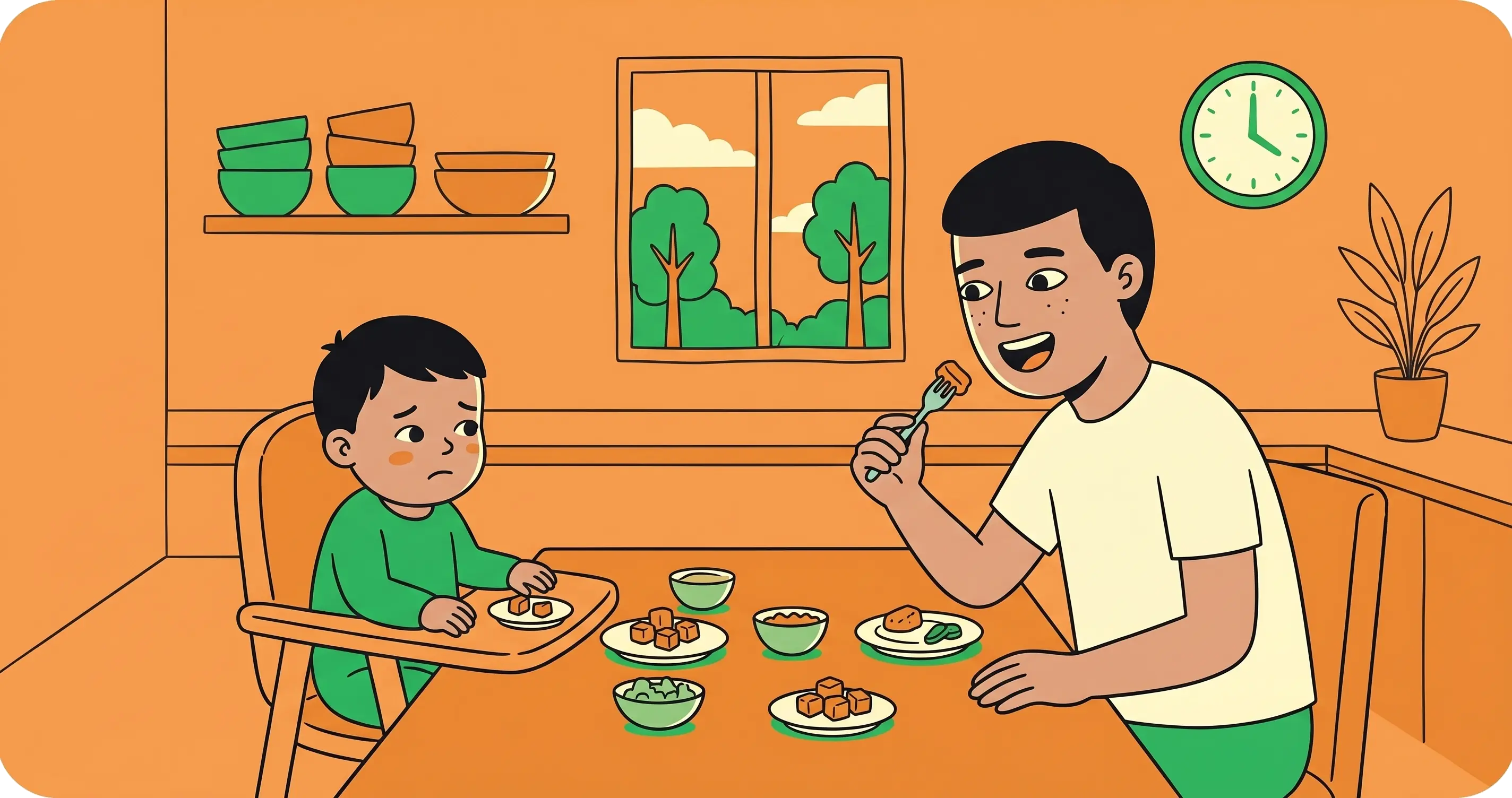
Breakfast barely touched, lunch rejected, and only a few bites for dinner. Such a scenario can be worrying, but a single meal doesn't determine if a child is eating too little. Children's appetites fluctuate based on growth rate, activity, sleep, mood, and health.
After the first year, growth typically slows, meaning a child may need less food than before. Caution towards unfamiliar foods also becomes more common. Food neophobia, or reluctance to try new foods, is considered a typical developmental stage, especially in early childhood [2]. Reviews indicate that its intensity can vary with age and doesn't always signify a feeding disorder [3].
The key is distinguishing between typical pickiness and a difficulty that affects growth, nutrition, eating safety, or family functioning.
Typical Pickiness or Feeding Problem?
What Usually Falls Within Developmental Norms?
A typically developing child may:
- eat significantly more one day than the next,
- prefer a few familiar dishes for a while,
- reject a food they previously ate,
- be reluctant to try new tastes and textures,
- eat small portions but maintain energy for play,
- need many calm exposures to a food before accepting it.
In typical pickiness, the list of foods may be limited but usually includes at least a few food groups. The child develops age-appropriate chewing and swallowing skills, doesn't experience pain while eating, and grows along their individual growth curve.
What Might Indicate a Greater Difficulty?
Consultation is needed when eating is painful, dangerous, or causes severe anxiety for the child. Concerns also arise with the loss of previously accepted foods without replacement, a very limited diet persisting over time, and improper weight gain.
It's not just the number of foods but also their nutritional value and diversity that matter. A child may accept a dozen snacks of similar texture yet still lack sufficient protein, iron, fats, or other nutrients.
Behavior at the Table: Normal or Warning Sign?
| Behavior at the Table | What Often Falls Within Norms | What Is a Warning Sign |
|---|---|---|
| Refusal to Eat | The child refuses some meals but later eats other foods, drinks, and remains active. | Refuses most foods and drinks, weakens, loses weight, or shows signs of dehydration. |
| New Foods | Needs many exposures before touching or trying new foods. | Reacts with panic, vomiting, fleeing at the sight of food, or the diet continually narrows. |
| Texture | Has clear preferences but gradually learns to eat age-appropriate textures. | Does not progress to age-appropriate textures, tolerates only liquid, mushy, or very crunchy foods. |
| Chewing and Swallowing | Occasionally spits out a difficult piece but usually manages to eat. | Regularly coughs, chokes, gags, has a wet or altered voice after swallowing, or holds food in the mouth for a long time. |
| Meal Duration | Eats unevenly and sometimes quickly loses interest in the meal. | Most meals take very long, require constant coaxing, or end with severe stress. |
| Mood | Appetite temporarily decreases during teething, infections, fatigue, or changes in routine. | Eating is accompanied by pain, arching, recurring vomiting, diarrhea, constipation, or noticeable discomfort. |
| Growth | The child grows along their centile channel and has energy for daily activities. | Loses weight, stops gaining, or their growth rate changes significantly. |
The table is indicative and does not replace an examination. Behaviors should be assessed considering the child's age, development, chronic illnesses, and feeding history from infancy.
Why Doesn't the Child Want to Eat?
The term “picky eater” doesn't explain the cause. Refusal to eat can result from several overlapping factors.
Developmental Reasons
Young children need independence and want to make decisions about themselves. Eating is one area where they can express their opinion. At the same time, caution towards new foods can serve a protective function and be a natural developmental stage.
Lack of Hunger
Frequent snacks, milk, juices, and other caloric drinks can limit appetite for main meals. It's worth counting all foods consumed throughout the day, including small snacks and drinks.
Sensory Sensitivity
Some children are more sensitive to the smell, temperature, appearance, or texture of food. Preference for a certain texture doesn't always indicate a disorder. However, consultation is recommended when sensory reactions prevent dietary expansion, lead to gag reflexes, or cause severe anxiety.
Pain or Illness
Appetite can be limited by infection, sore throat, mouth changes, constipation, reflux, or another health issue. In infants, watch for fatigue during feeding, interrupted sucking, breathing difficulties, arching, and crying. Infant feeding guidelines emphasize responding to hunger and satiety signals and adapting feeding methods to developmental stages [5].
How to Assess if Your Child Eats Enough?
Instead of analyzing one meal, it's better to look at a few days and the child's overall functioning. Helpful questions include:
- Does the child have energy for play and regular activity?
- Is their weight and growth following their usual pattern?
- Does the diet include foods from various food groups?
- Does the child drink enough fluids and urinate regularly?
- Can they safely chew and swallow age-appropriate foods?
- Is the list of accepted foods stable, expanding, or gradually shrinking?
- Are meals possible without severe anxiety, pain, and prolonged struggle?
A simple food and drink diary can be kept for a few days. Record milk, juices, snacks, and symptoms during meals. There's no need for daily weighing. Measurements should be taken under comparable conditions, and centile charts are best interpreted with a pediatrician.
What to Do When Your Child Refuses to Eat?
Establish a Predictable Routine
Several regular meals and snacks, separated by breaks to allow hunger, often work best. The exact number and frequency depend on age, health, and feeding method. Between meals, water should be the primary drink unless otherwise advised by a doctor.
Separate Adult and Child Responsibility
The parent decides what, when, and where food is served. The child decides whether to eat and how much. This doesn't mean abandoning rules but feeding without force. The American Academy of Pediatrics recommends regular meals, repeatedly offering new foods, and avoiding forcing the child to eat [1].
Serve a Familiar Food Alongside a New One
The plate can include at least one item the child usually accepts and a small amount of a new food. The new item shouldn't replace the entire safe meal or be tied to an obligation to try it.
Familiarize with Food in Small Steps
Contact with a food doesn't have to end in eating it. The child may first tolerate the food on the table, serve it to someone else, touch it, smell it, lick it, and only later try it. Studies on interventions for food neophobia describe repeated exposure, modeling by caregivers, and engaging the child with food [4].
Eat Together and Without Screens
Shared meals allow the child to observe others eating the same foods. Screens can distract from hunger signals, satiety, and swallowing, so they shouldn't be the primary method for increasing food intake.
Ensure a Calm End to the Meal
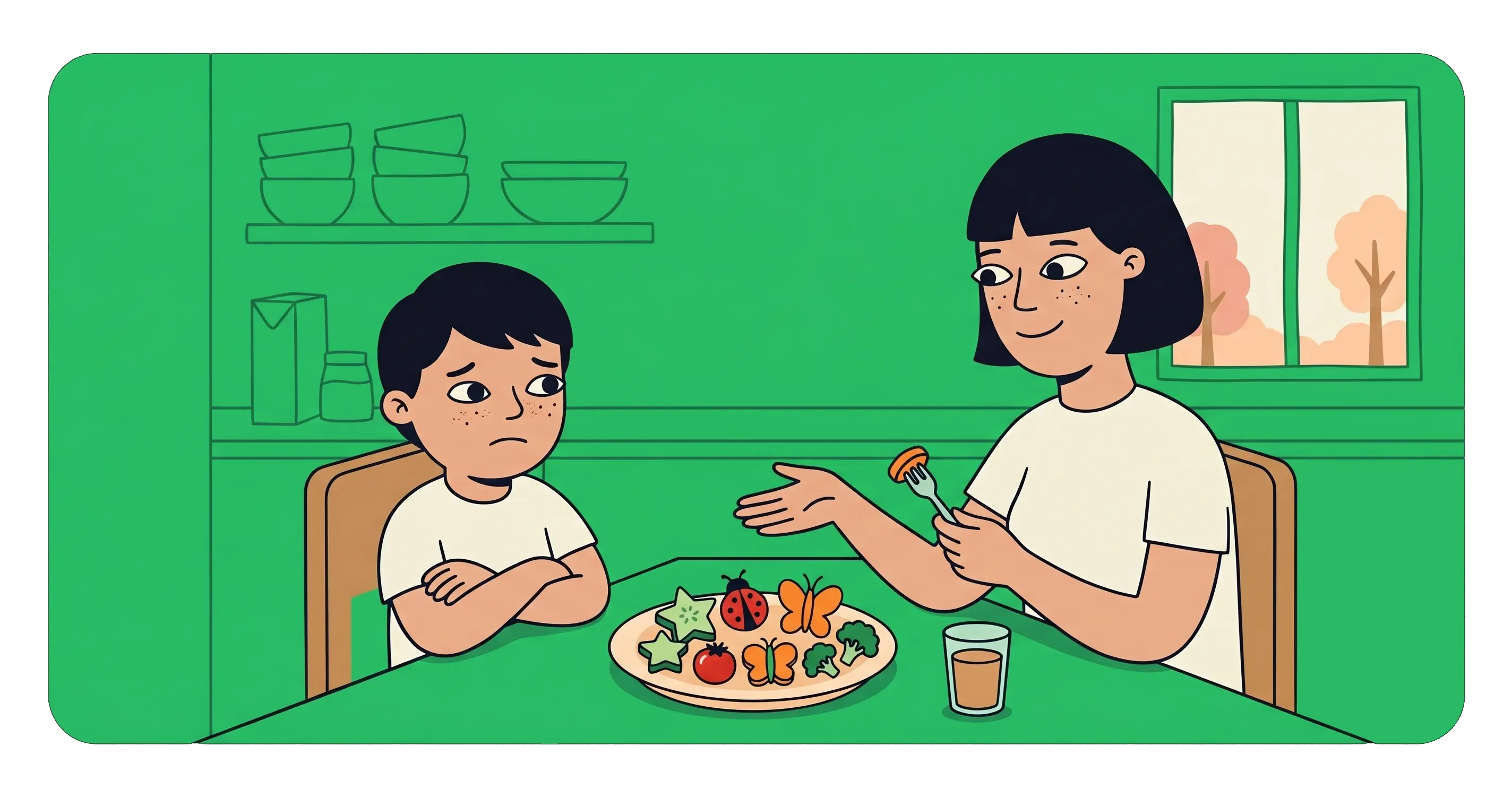
If the child doesn't want to eat, the meal can end neutrally, without punishment or commenting on the number of bites. Avoid chasing the child with a spoon, forcing food, or offering dessert in exchange for a clean plate.
What to Avoid?
- forcing to try or eat a specific portion,
- threatening consequences and shaming,
- praising only for the amount of food eaten,
- using sweets as a reward for dinner,
- constantly offering snacks between meals,
- hiding all new foods in familiar dishes without informing the child,
- comparing the child's appetite to siblings or peers.
Pressure may temporarily increase the number of bites eaten but also heighten tension and hinder recognizing satiety. The goal is not just the amount of food but also a safe and calm relationship with meals.
When to Consult a Doctor or Specialist?
Urgent Medical Help
Immediate medical evaluation is required for a child having difficulty breathing or showing signs of choking. Contact a doctor urgently if the child cannot take in fluids, is noticeably sleepy or weak, or shows signs of dehydration, such as very infrequent urination, dry mouth, or lack of tears when crying. In infants, deterioration can progress faster, so the threshold for consultation should be lower.
Consultation with a Pediatrician
Schedule a visit if there are:
- weight loss or halted growth,
- pain during eating, recurring vomiting, diarrhea, or persistent constipation,
- regular coughing, choking, or voice change during meals,
- frequent respiratory infections co-occurring with swallowing difficulties,
- sudden and persistent loss of appetite,
- noticeable weakness, pallor, or decreased activity,
- regression, or loss of previously mastered eating skills.
The pediatrician can assess overall health and growth, examine the mouth, and decide if further diagnostics are needed.
Consultation with a Pediatric Dietitian
A dietitian can help when the diet is monotonous, includes few food groups, or there's a risk of deficiencies. Such consultation may also be useful for allergies, elimination diets, and difficulties in selecting meals of appropriate energy value. Supplements should not be introduced solely based on suspected deficiency.
Consultation with a Feeding Therapist
Assessment by a feeding therapist, speech therapist, or speech-language pathologist experienced in feeding is recommended when a child has difficulty chewing, moving food in the mouth, or swallowing. Seek help also when meals cause severe anxiety, the diet systematically narrows, or sensitivity to textures significantly limits daily functioning. In more complex cases, collaboration between a pediatrician, dietitian, and feeding therapist is needed.
Frequently Asked Questions
How Many Times Should a New Food Be Offered Before a Child Accepts It?
There is no single correct number. Some children try quickly, others need many neutral exposures. More important than counting attempts is regularly offering a small portion without pressure and accepting that the child may not eat it.
Should a Separate Meal Be Prepared If the Child Refuses Dinner?
There's no need to cook another dish at every request. However, ensure that the planned meal includes at least one food the child usually accepts. If refused, the next eating opportunity should come at the usual time.
Can a Child Be Encouraged to Eat?
You can invite the child to the table, describe the dish, and show how others eat. It's better to avoid repeated coaxing, negotiation, sneaky feeding, and specifying the number of bites they must eat.
Does a Lack of Vegetables Always Mean Deficiencies?
Not always, as some nutrients can come from fruits and other foods. However, a long-term diet without vegetables, fruits, or entire food groups requires assessment of the entire menu by a dietitian, especially if constipation, pallor, fatigue, or abnormal growth occur.
When Does Pickiness Stop Being a Typical Stage?
Concern should arise primarily from consequences: weight loss, deficiencies, swallowing difficulties, pain, severe anxiety, loss of additional foods, and significant burden on family life. In such a situation, don't wait for the problem to resolve itself.
Summary
Variable appetite and reluctance to new foods are often part of a child's development. In typical pickiness, the child remains active, grows along their curve, safely eats age-appropriate foods, and gradually tolerates new experiences.
Helpful are regular meals, limiting snacking, shared eating, small portions of new foods, and lack of pressure. Consultation is needed when difficulty affects growth, nutritional value of the diet, swallowing safety, or the child's well-being. The type of specialist should match the symptoms: a pediatrician assesses health and development, a dietitian evaluates the menu, and a feeding therapist assesses eating skills and sensory and behavioral reactions.
Sources
- American Academy of Pediatrics, Tips for Picky Eaters.
- National Center for Nutritional Education, materials on food neophobia.
- Scientific review on food neophobia as a developmental stage.
- Scoping review on interventions used for food neophobia.
- American Academy of Pediatrics, Infant Food and Feeding.