Constipation in Children: More Than Just Bowel Movement Frequency
Constipation doesn't only mean infrequent bowel movements. The consistency of the stool, pain during bowel movements, significant effort, and the child's behavior are also important. The issue may occur even if the child has daily bowel movements but the stool is hard and difficult to pass.
For most children, constipation is functional, meaning it doesn't stem from an organic disease. It often starts after a painful bowel movement, dietary change, infection, travel, starting potty training, or beginning preschool. The child begins to withhold stool, which becomes harder, making the next bowel movement even more painful. This creates a vicious cycle of constipation and fear.
Diet, proper hydration, and a calm toilet routine are crucial elements of management. However, it's important to note that chronic constipation doesn't always resolve with dietary changes. If stool is retained, the child regularly withholds it, or soiling occurs, medical evaluation and age-appropriate pharmacological treatment may be necessary.
How to Recognize Constipation in a Child?
Signs of constipation may include:
- hard, dry, or very large stool,
- pain, crying, or significant effort during bowel movements,
- less frequent bowel movements than usual,
- feeling of incomplete evacuation,
- postures indicating stool withholding,
- abdominal pain or reduced appetite that resolves after a bowel movement,
- soiling of underwear with small amounts of stool.
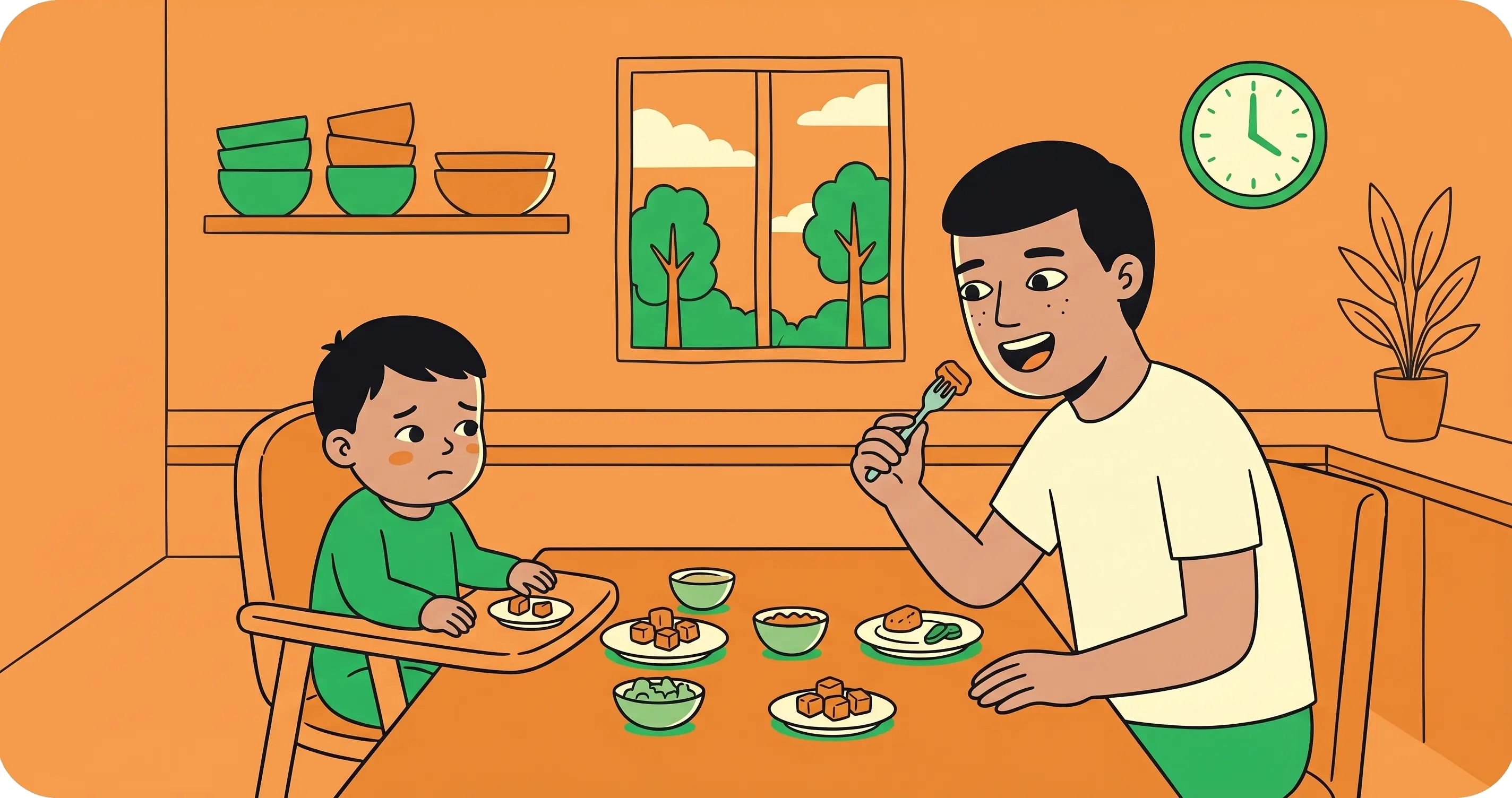
Stool withholding can be mistaken for an attempt to have a bowel movement. The child may cross their legs, clench their buttocks, stand on tiptoes, straighten their body, hide, or refuse to sit on the potty. Such behavior often indicates an attempt to hold back a bowel movement, especially if the child previously experienced pain.
Soiling of underwear isn't always due to hygiene issues. It can result from a large mass of stool being retained, with more liquid intestinal content seeping around it. This situation requires consultation, as simply increasing fiber intake may not be sufficient.
Why Do Children Experience Constipation?
Several overlapping factors often play a role:
- painful bowel movement and associated stool withholding,
- low fiber intake in the daily diet,
- insufficient fluid intake or increased need during hot weather, fever, or activity,
- irregular meals and frequent snacking,
- avoiding the toilet at preschool or school,
- pressure during potty training,
- low physical activity,
- changes in daily routine, travel, or stress.
Functional constipation is common, but diagnosis should consider the child's age, onset of symptoms, growth rate, stool appearance, and presence of warning signs. In a child without red flags, diagnosis usually relies on history and clinical examination; additional tests aren't always necessary.
Constipation in Infants
In infants, the interval between bowel movements alone doesn't determine constipation. A breastfed baby may pass soft stool less frequently, and if they are feeding well, gaining weight appropriately, and showing no concerning symptoms, this may be a normal variant.
Straining, facial reddening, and crying before passing soft stool don't always indicate constipation. In some young infants, this results from immature muscle coordination needed for bowel movements. Constipation is more likely indicated by hard, dry, painful stool or stool passed as compact pellets.
Formula Feeding
Formula should be prepared exactly according to the manufacturer's instructions. Do not add extra powder or dilute the prepared formula with additional water without medical advice. Incorrect proportions can be dangerous for the baby.
Avoid frequently changing formulas solely due to less frequent stools. If an infant passes hard stool, experiences pain, or gains weight poorly, it's worth discussing feeding methods with a pediatrician.
After Introducing Solid Foods
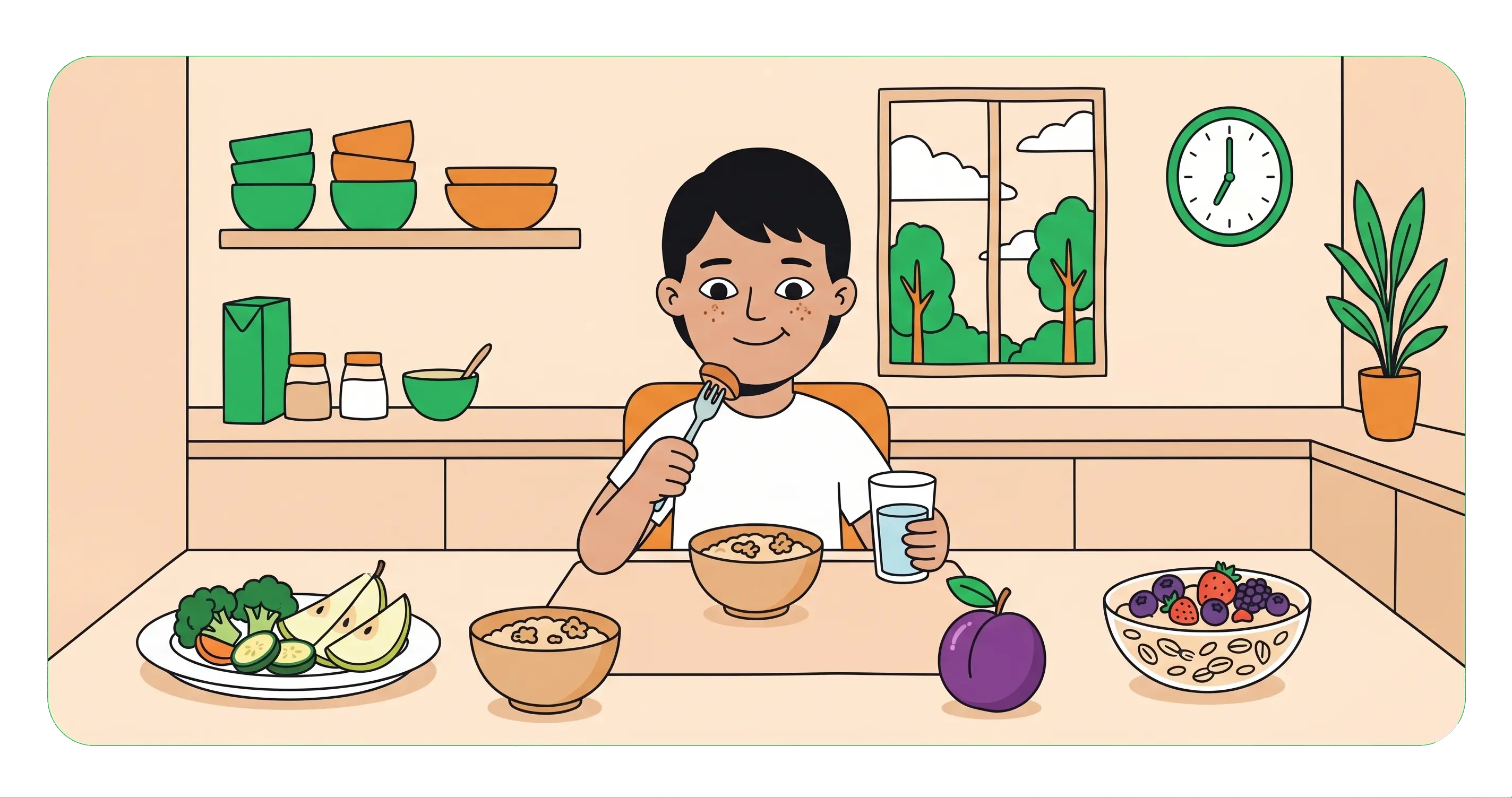
Around six months of age, you can gradually introduce fiber-containing foods, with textures suitable for the child's skills, such as oatmeal, vegetables, and fruits like pears, plums, or peaches. Water can be offered with meals according to the stage of dietary expansion. Water should be the main drink for a young child, while milk remains the primary nutrition for infants.
Do not independently use suppositories, enemas, herbal preparations, or laxatives in infants. Constipation appearing from the first weeks of life requires particularly careful medical assessment.
Diet for Constipation in Older Children
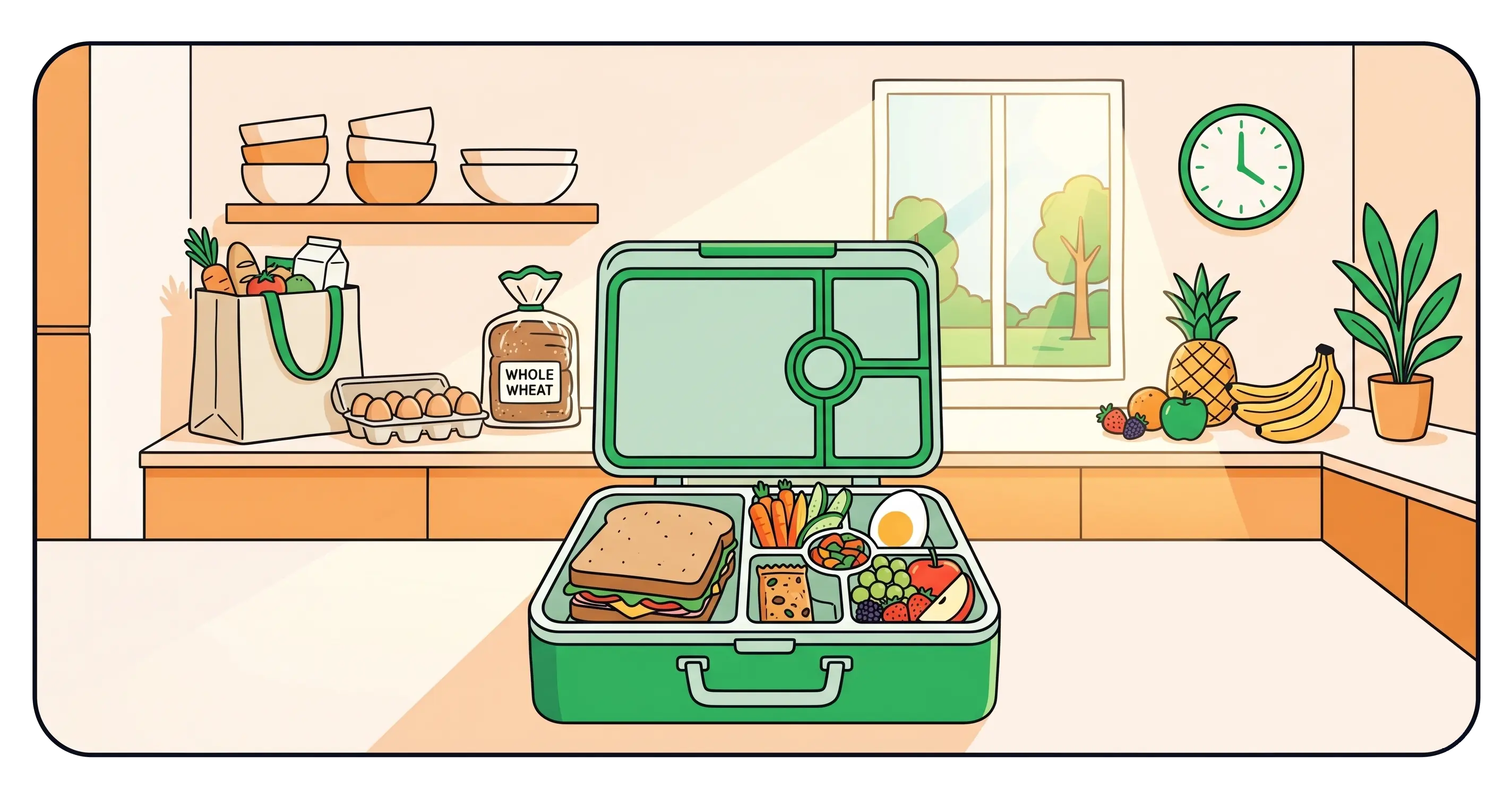
A regular, varied diet works best, rather than a short-term diet focused on a single product. The daily menu should include:
- vegetables – raw, cooked, baked, in soups or sauces,
- fruits – preferably whole, if the child can eat them safely,
- whole grain cereals – oatmeal, groats, wholemeal or mixed bread, whole grain pasta,
- legumes – in amounts adjusted to the child's tolerance,
- fermented products, if well tolerated and part of the usual diet,
- water offered regularly throughout the day.
Pears, plums, apricots, peaches, kiwis, or berries can be helpful. However, there is no single product that cures constipation in every child. The overall diet, hydration, and whether the child has stopped withholding stool are important. Dietary recommendations should be part of broader management, especially for recurring issues.
What to Limit?
Check if the diet relies mainly on white bread, plain pasta, sweets, salty snacks, and highly processed foods. These products don't have to be completely banned, but they shouldn't replace vegetables, fruits, whole grain products, and regular meals.
There's no need to routinely eliminate bananas, rice, milk, or dairy for every child with constipation. Unjustified restrictions can worsen the nutritional value of the diet. Eliminating a larger group of products should be discussed with a doctor or dietitian, especially in young children.
Fiber: Increase Gradually
Fiber helps retain water in the stool and increase its volume, but a sudden increase can cause bloating, gas, and abdominal pain. Therefore, changes should be introduced gradually, such as starting with one additional serving of vegetables or fruits and replacing some refined grains with whole grains.
Increasing fiber intake should be accompanied by proper hydration. Providing very large amounts of fiber or supplements isn't a solution for stool retention. If the child already has an adequate amount of fiber in their diet, further increasing intake may not improve the situation.
Preparations containing psyllium husk, psyllium seed, or other concentrated fiber sources should be used only after consultation. They aren't suitable for every child and require proper fluid intake.
Hydration for Constipation
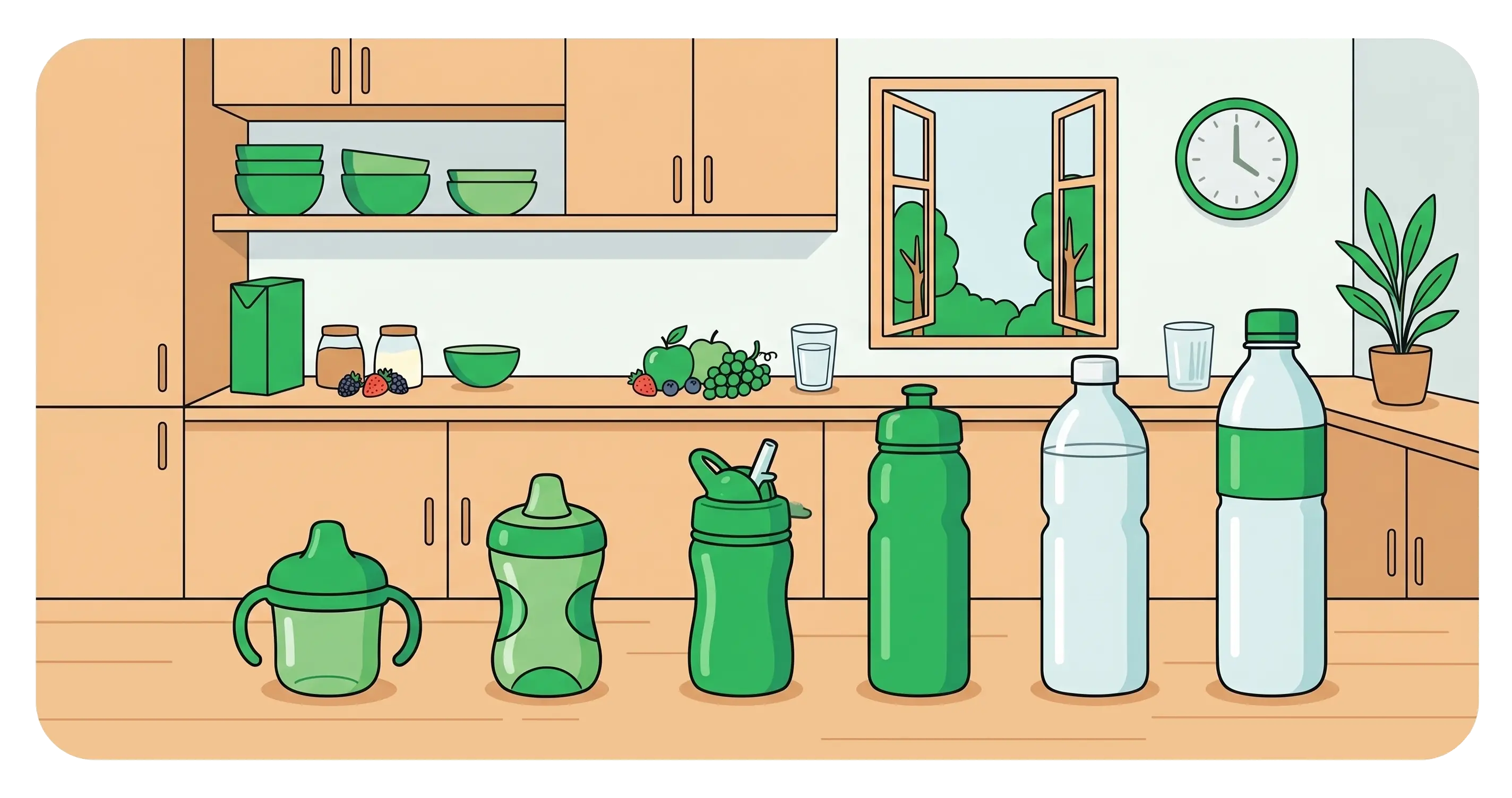
Water should be offered regularly: with meals, between meals, and after physical activity. The need depends on age, body weight, diet type, ambient temperature, and health status. More fluids may be needed during hot weather, fever, diarrhea, or intense activity.
Possible signs of fluid deficiency include dark urine, infrequent urination, dry mouth, lack of tears when crying, noticeable weakness, or drowsiness. Such symptoms, especially in infants, require prompt evaluation.
Proper hydration is important, but forcing a well-hydrated child to drink excessive amounts of water usually doesn't resolve chronic constipation. Water shouldn't be replaced with large amounts of juices and sweetened drinks.
The Role of Toilet Routine and Stool Withholding
After meals, the large intestine's activity naturally increases. It's beneficial to use this time to encourage the child to sit calmly on the potty or toilet for about 5–10 minutes, preferably after breakfast or lunch. Feet should have stable support, such as on a stool, and knees should be slightly higher than the hips.
Do not punish, shame, or force the child to strain. Instead, praise them for simply trying. The goal is to rebuild a sense of security, not to achieve immediate stool passage.
If bowel movements are still painful, it will be difficult for the child to stop withholding stool. In such cases, diet and toilet training may be insufficient. A doctor may recommend stool-softening treatment, and in cases of significant retention, initial measures to empty the bowel. Chronic constipation treatment can be lengthy and should continue according to recommendations, even after initial improvement.
Practical Home Plan
If the child is in good condition, has no warning signs, and symptoms are mild and short-lived, you can start with the following actions:
- Introduce regular meals and limit constant snacking.
- Offer water multiple times throughout the day.
- Provide vegetables and fruits daily in an acceptable form.
- Gradually replace some refined grains with higher-fiber products.
- Encourage daily physical activity.
- After meals, ensure calm toilet time and foot support.
- Observe behaviors indicating stool withholding.
A short diary noting the date of bowel movements, stool appearance, presence of pain, soiling episodes, and treatments used can be helpful. However, don't repeat only home attempts for weeks if the child is suffering or not improving.
When to Consult a Doctor or Specialist?
Urgent medical help is needed for a child with severe or increasing abdominal pain, significant bloating, persistent or green vomiting, noticeable weakness, altered consciousness, or signs of dehydration.
Red flags requiring medical evaluation also include:
- constipation starting in the first month of life,
- passing meconium later than 48 hours after birth,
- fever, vomiting, or a clearly bloated, painful abdomen,
- blood in the stool that can't be clearly linked to a small anal fissure,
- poor weight gain, growth stunting, or weight loss,
- ribbon-like stools or abnormalities around the anus,
- leg weakness, gait disturbances, abnormal reflexes, or abnormalities in the sacral spine area,
- recurrent soiling and inability to pass larger stools,
- constipation persisting despite consistent management,
- regular pain, fear of bowel movements, or increased stool withholding.
Clinical evaluation is also needed if the problem persists for weeks, recurs frequently, or significantly affects eating, sleeping, toilet training, or functioning in preschool and school. Guidelines emphasize that chronic constipation may require a combination of education, pharmacological treatment, behavior modification, and appropriate nutrition.
Frequently Asked Questions
Is diet alone enough for a child's constipation?
For mild, short-term constipation, improving diet, hydration, and toilet routine can help. For stool retention, soiling, severe withholding, or chronic symptoms, diet alone is often insufficient. The child may need medical evaluation and stool-softening treatment.
Should a child receive as much fiber as possible?
No. The goal is an amount appropriate for the child's age and tolerance, not the maximum. A sudden increase in fiber intake can worsen bloating and abdominal pain. Changes should be introduced gradually and combined with proper hydration.
Does daily stool exclude constipation?
No. A child may pass a small amount of hard stool daily yet still have stool retention. Pain, effort, stool size, withholding, and soiling are also important.
Is prune juice necessary?
It's not necessary and doesn't replace comprehensive management. For older infants or children, a small amount can be part of the diet, but daily hydration should rely on water, and fruits should be offered primarily whole or in age-appropriate forms.
When can a laxative be used?
In children, medication should be tailored to age, weight, and clinical situation. Do not independently use adult preparations, enemas, or herbal remedies. In chronic constipation, properly managed pharmacological treatment may be necessary and shouldn't be replaced by diet alone.
Summary
In childhood constipation, it's important to consider not only stool frequency but also its consistency, pain, and withholding behaviors. Regular meals, adequate fluids, gradual fiber increase, exercise, and a calm toilet routine help.
If the child is suffering, soiling underwear, clearly afraid of bowel movements, or the problem persists, don't limit management to further dietary changes. Medical evaluation allows for recognizing stool retention, excluding warning signs, and planning effective, safe treatment.
Sources
- ESPGHAN/NASPGHAN guidelines on the evaluation and treatment of functional constipation in infants and children.
- European Society for Paediatric Gastroenterology, Hepatology and Nutrition (ESPGHAN) materials and publications on constipation in children.
- National Center for Nutritional Education, "Constipation in Children."
- BMJ Paediatrics Open, protocol for updating guidelines on functional constipation in children.
- National Health Fund, educational materials on hydration for infants and young children.