When Your Teenager Falls Asleep Late and Is Hard to Wake Up
In the evening, your teenager seems to regain energy, but in the morning, they need multiple alarms and take a long time to fully wake up. It's easy to blame the phone, lack of discipline, or reluctance to go to school. Sometimes habits are indeed the cause, but a consistent pattern of late sleeping and difficult mornings may also indicate delayed sleep-wake phase disorder.
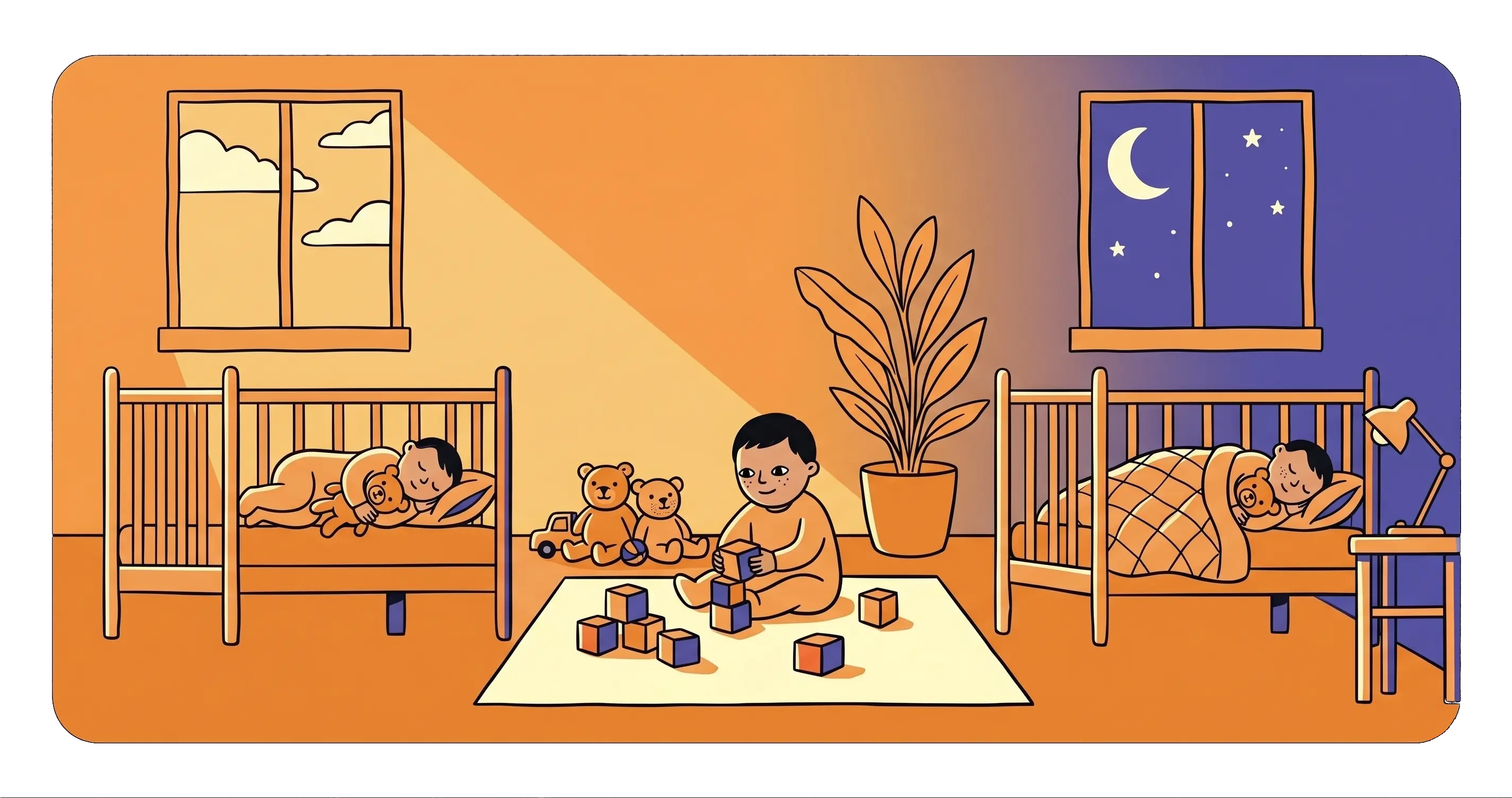
Delayed sleep-wake phase disorder, abbreviated as DSWPD, is a circadian rhythm disorder. The internal biological clock shifts the preferred sleep and wake times to later hours than those required by school and family life. A teenager might not feel sleepy at 10:00 PM but can easily fall asleep after midnight and sleep well into the late morning [1].
Not every instance of going to bed late indicates DSWPD. Diagnosis requires evaluating the entire sleep pattern, the duration of symptoms, the impact on daily functioning, and ruling out other possible causes.
Why Does Sleep Rhythm Shift During Adolescence?
During adolescence, the physiological tendency to fall asleep often shifts to later hours. Biological changes, such as later onset of evening sleepiness, play a role, as do environmental factors: artificial light, internet activity, late-night studying, caffeine, afternoon naps, and sleeping in on weekends.
DSWPD is not merely a "stronger version" of bad habits. In this disorder, the late sleep time is fixed, and attempts to fall asleep earlier often fail despite suitable conditions. When a young person can sleep according to their rhythm, they usually fall asleep more easily, sleep long enough, and wake up in better shape. This pattern is an important diagnostic clue [2].
Typical Symptoms of Delayed Sleep Phase
The key is not a single evening but a regularly recurring pattern. It may include:
- inability to fall asleep at a time suitable for school obligations, despite attempts;
- a noticeable surge of energy and mental alertness late in the evening;
- extreme difficulty waking up in the morning;
- sleepiness, irritability, and concentration problems in the first part of the day;
- lateness, skipping first classes, or deteriorating school performance;
- much later sleeping and waking times on free days;
- better sleep quality and mood when the teenager can sleep according to their own schedule.
DSWPD causes a significant conflict between the biological clock and social demands. If a teenager falls asleep late but can sleep long enough in the morning without daily life difficulties, a late chronotype alone does not necessarily indicate a disorder.
DSWPD, Insomnia, or Poor Digital Hygiene?
Delayed Sleep-Wake Phase Disorder
In DSWPD, the issue primarily concerns the timing of sleep. The teenager cannot fall asleep early enough, but once asleep, they often sleep continuously and well. On free days, when they can go to bed and wake up later, their sleep and functioning usually improve significantly.
Insomnia
Insomnia can involve difficulty falling asleep, frequent awakenings, waking up too early, or non-restorative sleep. Problems may persist even when the teenager can sleep during preferred hours. Insomnia and DSWPD can also coexist, so distinguishing them requires a thorough evaluation.
Poor Digital Hygiene and Deliberate Sleep Postponement
If a teenager is sleepy but doesn't go to bed because they're gaming, watching movies, or chatting with friends, the cause may be sleep postponement. Screens have a double impact: they prolong activity, and evening light can hinder the body's natural preparation for sleep.
DSWPD should be considered especially when late sleeping persists even after limiting device use, organizing the evening, and ensuring appropriate conditions. Simply taking away the phone is not a diagnostic test, and improvement after changing habits does not rule out a biological tendency toward a late rhythm.
What Does Diagnosis Involve?
Diagnosis is not based on one night or just difficulty waking up in the morning. A specialist will ask about typical sleep and wake times on school and free days, sleep duration and quality, naps, substance use, medications, mood, school functioning, and other health symptoms. It's also important to know how long the difficulties have been present and whether they significantly disrupt learning, relationships, or family life.
The primary tool is usually a sleep diary kept for at least 14 days, covering school and free days. In selected cases, a doctor may suggest actigraphy, which involves monitoring activity and rest over several days using a wrist-worn device. Sleep studies in a lab are not routinely necessary for diagnosing DSWPD but may be needed if another disorder, such as sleep apnea or unusual movements during sleep, is suspected [3].
What to Record in a Sleep Diary?
- the time of going to bed and estimated time of falling asleep;
- nighttime awakenings;
- the time of the first alarm and actual waking up;
- naps and their duration;
- caffeine, energy drinks, and the time of consumption;
- screen use in the evening;
- mood, sleepiness, and concentration in the morning and throughout the day;
- differences between school days and weekends.
The diary helps reduce disputes over who is "right" and allows for observing the actual pattern. However, it does not replace consultation when symptoms are severe.
A Home Plan to Support Sleep Rhythm
Changing the circadian rhythm requires regularity. Don't expect a problem that has persisted for months to disappear after a few evenings. If your teenager shows clear signs of DSWPD, it's worth discussing the plan with a pediatrician, family doctor, or sleep medicine specialist.
1. Set a Consistent Wake-Up Time
Regular waking is one of the most important signals for the biological clock. The time should be realistic and as similar as possible on weekends. On free days, a slight shift is permissible, but sleeping in for hours often reinforces a later rhythm.
If the teenager has been sleeping too little for a long time, don't just deprive them of sleep to "reset the clock." The plan must consider adequate sleep duration and daytime safety.
2. Introduce Changes Gradually
Putting a teenager to bed several hours earlier usually leads to long wakefulness and frustration. Sleep times can be shifted in small steps, observing actual sleepiness. The bed should be associated with sleep, not with hours of waiting to fall asleep.
3. Utilize Morning Light
Light is the strongest environmental signal regulating the circadian rhythm. Bright light in the morning, applied at the right time, can help shift the sleep rhythm to earlier hours. At home, it's worth opening windows after waking and, if possible, going outside.
A specialized light therapy lamp should not be used randomly. The effect depends on timing, intensity, and duration of exposure, and light given at the wrong time can shift the rhythm in an undesired direction. Caution is especially important with eye diseases, medications that increase light sensitivity, and bipolar disorder. Light therapy should be discussed with a doctor [4].
4. Limit Evening Light and Stimulation
- dim the lights 1–2 hours before bedtime;
- limit intense games, social media, and exciting conversations;
- place the phone away from the bed, preferably out of reach;
- avoid intense studying late in the evening if it can be moved earlier;
- choose a calm, repetitive routine, such as a shower and light reading.
Light filters don't solve the entire problem. The content that stimulates and the mere extension of activity also matter.
5. Pay Attention to Naps and Caffeine
A long or late nap can reduce evening sleepiness. Caffeine, including energy drinks, coffee, and some colas, can act for many hours. For a teenager with sleep difficulties, it's best to avoid it in the second half of the day, and energy drinks should not be used as a solution for daily fatigue.
Melatonin: Why Timing Matters as Much as Dose?
Melatonin is a signal of biological night, not a simple sleeping pill. In treating rhythm disorders, its effect depends primarily on the exact timing of administration relative to the internal clock. Taken at the wrong time, it may not help, increase morning sleepiness, or shift the rhythm in an unfavorable direction.
In children and teenagers, melatonin should not be started independently based on online advice. A doctor should decide on its use, timing, dose, treatment duration, and choice of preparation after assessing the sleep pattern, other illnesses, and medications. Polish standards include appropriately planned melatonin and light as possible elements of rhythm disorder therapy, but they do not replace a regular schedule and require individual selection [4].
Common Mistakes
Treating the Problem as Laziness
Shaming and punishing do not change the biological rhythm. It's worth discussing observable behaviors and jointly establishing specific rules regarding wake-up times, screens, and morning light.
Sleeping In Until Noon on Weekends
Extra sleep may temporarily reduce fatigue, but very late wake-up often makes it difficult to fall asleep on Sunday. If a teenager consistently needs to catch up on several hours of sleep, it signals that they likely sleep too little during the week, and the plan needs adjustment.
Sudden Change Overnight
Ordering someone to fall asleep at 10:00 PM won't make the body sleepy at that hour. Regularity, gradual schedule shifts, and monitoring effects are more helpful.
Using a Lamp or Melatonin Independently
In both cases, timing is crucial. Improperly planned actions may be ineffective or worsen the rhythm shift.
When to Consult a Doctor or Specialist?
It's worth planning a consultation with a pediatrician or family doctor if difficulties persist for several weeks despite a regular plan, recur for many months, or clearly affect school and family functioning. The doctor may refer the teenager to a sleep medicine clinic, child and adolescent psychiatrist, psychologist, or another specialist depending on the symptom picture. Boston Children's Hospital emphasizes that the assessment should consider both the sleep rhythm and mental health, school obligations, and other possible sleep disorders [5].
Red Flags Requiring Faster Evaluation
- falling asleep during lessons, meals, conversations, or in other dangerous situations;
- loud snoring, breathing pauses, choking, or severe headaches upon waking;
- sudden irresistible sleep attacks, muscle weakness triggered by emotions, or unusual hallucinations when falling asleep and waking;
- significant mood deterioration, loss of interest, severe anxiety, or isolation;
- self-harm, suicidal thoughts, or statements about not wanting to live — in such a situation, urgent help is needed;
- regularly skipping school or inability to perform daily duties;
- several nights with very little sleep combined with unusually high energy, rapid speech, impulsivity, or risky behaviors;
- sudden change in sleep rhythm without an apparent cause.
In situations of immediate health or life threat, contact emergency number 112 or go to the nearest hospital emergency department.
Frequently Asked Questions
Does Every Teenager Who Stays Up Late Have DSWPD?
No. Late sleeping can result from a natural chronotype, phone use, studying, stress, irregular schedule, or deliberate sleep postponement. In DSWPD, the pattern is fixed, causes significant difficulties, and persists despite opportunities and attempts to fall asleep earlier.
Will Taking Away the Phone Solve the Problem?
Limiting phone use can improve sleep, especially when the device prolongs activity and increases light exposure. However, it is not always enough for a circadian rhythm disorder. Regular wake-up times, morning light, and specially planned treatment may also be needed.
Should a Teenager Wake Up at the Same Time After a Very Short Night?
Regularity is important, but safety and adequate sleep duration are more important than rigidly sticking to a plan at all costs. If a teenager regularly sleeps very little, is extremely sleepy, or has to perform tasks requiring concentration, the schedule should be evaluated by a doctor.
Can Melatonin Be Given Independently?
It is not recommended. In rhythm disorders, precise timing of administration matters, not just the dose. A doctor should assess indications, possible interactions, the quality of the preparation, and the duration of therapy.
How Soon Can Improvement Be Expected?
There is no single rule. Habits may start to stabilize within a few weeks, but established DSWPD often requires longer and individually tailored management. Lack of improvement does not indicate bad will on the teenager's part — it suggests a need to reassess the plan and possibly consult again.
Summary
Delayed sleep-wake phase disorder is more than just late-night phone use. It is characterized by a fixed shift in sleep timing, very difficult mornings, and significantly better sleep when the teenager can fall asleep and wake up later. Insomnia, sleep deprivation, emotional issues, and other sleep disorders can, however, appear similar.
A good first step is keeping a sleep diary for 14 days, setting a regular wake-up time, increasing exposure to natural light in the morning, and reducing light and stimulation in the evening. Light therapy and melatonin should only be used after establishing an appropriate plan with a specialist.
Sources
- American Academy of Sleep Medicine, Sleep Education: Delayed Sleep-Wake Phase Disorder.
- Scientific review on the clinical picture, diagnosis, and mechanisms of delayed sleep-wake phase disorder (DSWPD).
- Review: Treatment of Circadian Rhythm Sleep-Wake Disorders.
- Polish standards for the treatment of sleep-wake rhythm disorders.
- Boston Children's Hospital: clinical materials on Delayed Sleep-Wake Phase Disorder.