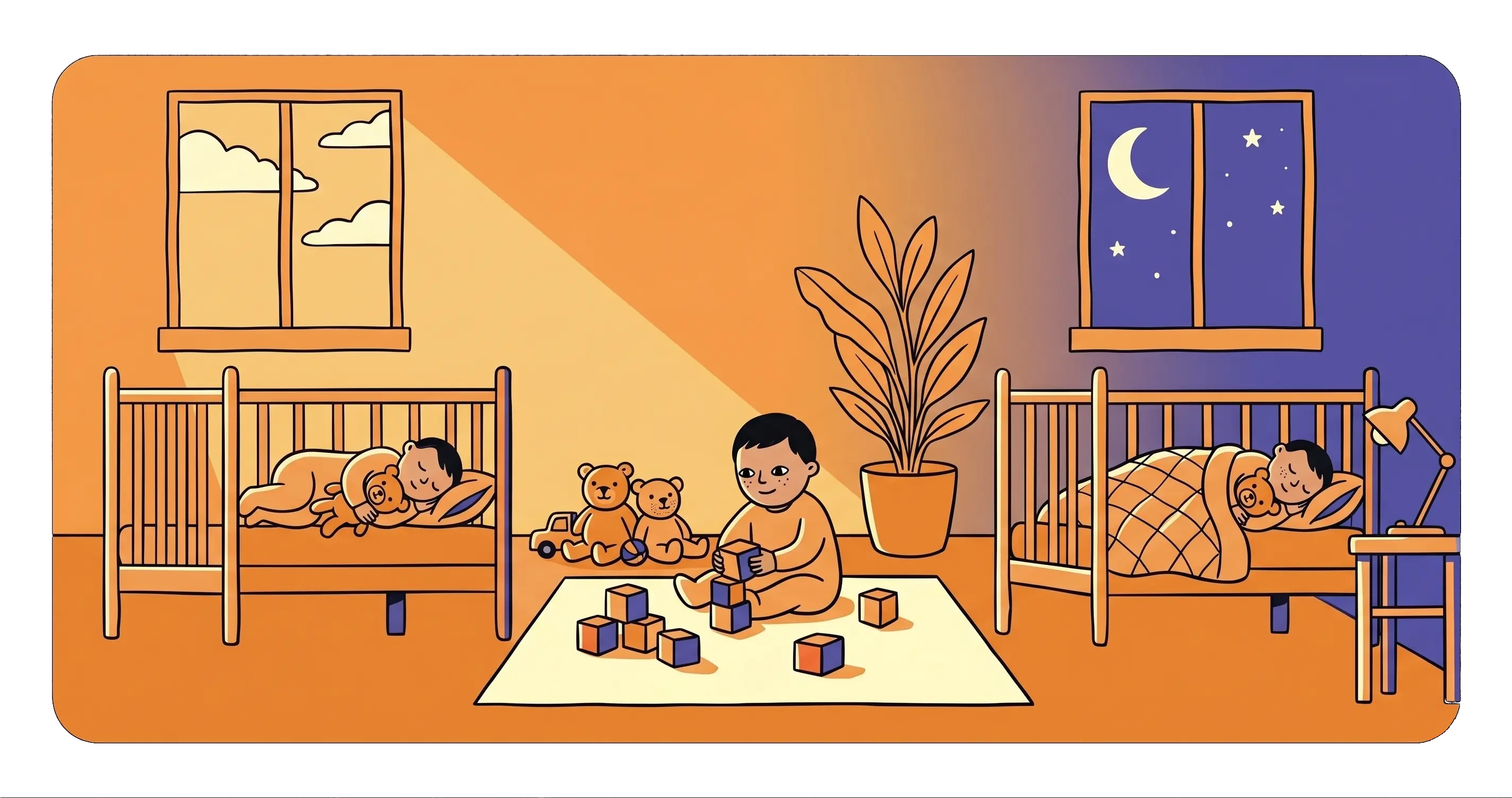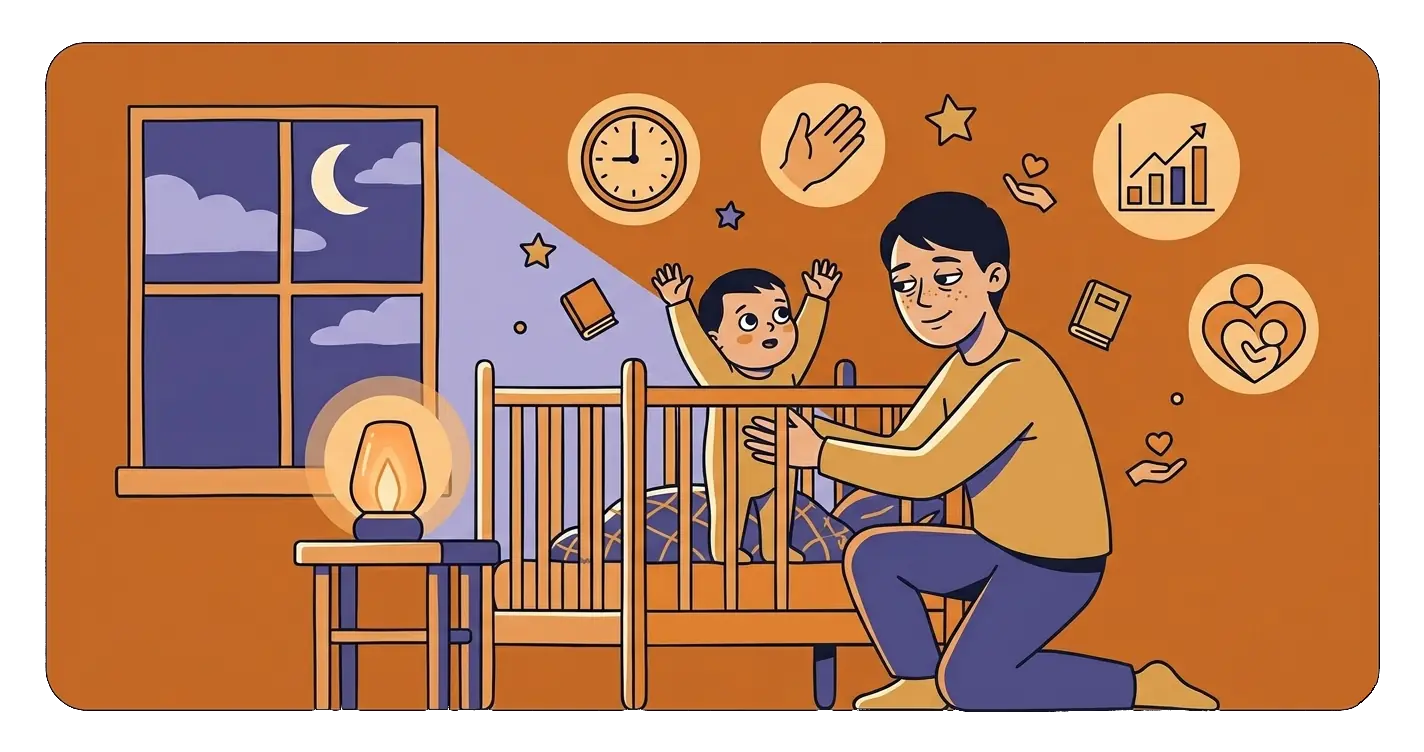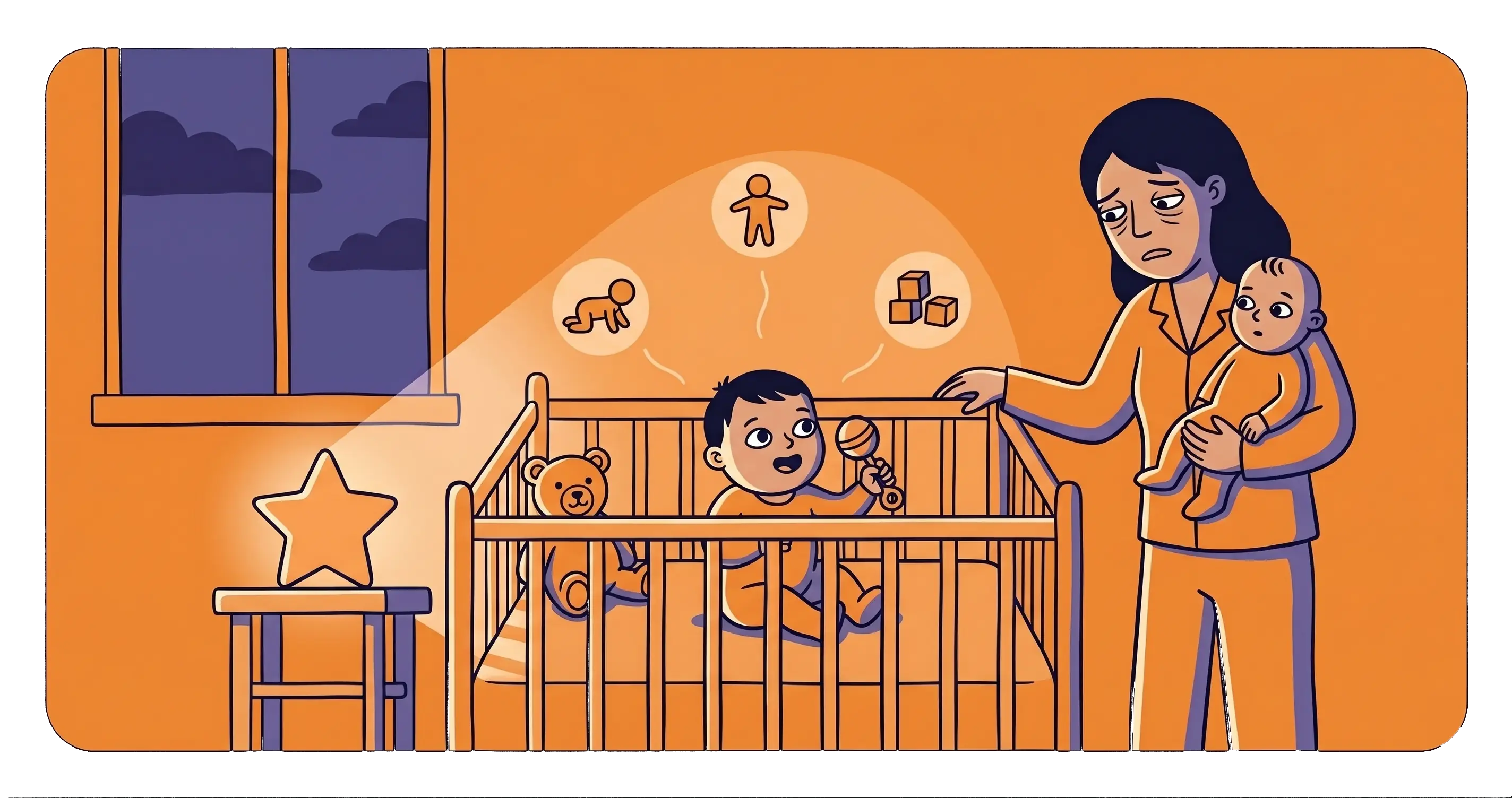
When a parent says, “my child isn’t sleeping”, they might mean long time to fall asleep, frequent awakenings, very early rising, or restless sleep. However, not every such situation indicates insomnia in a child. Especially in infants, nighttime awakenings can be a natural part of sleep maturation and may result from the need for feeding, closeness, or soothing.
We primarily consider insomnia in children when difficulties with falling asleep or staying asleep occur regularly despite appropriate conditions for rest, persist over a long time, and affect the functioning of the child or the whole family. It is then worth examining the child’s sleep, daily rhythm, health status, and method of falling asleep.
Insomnia in Children vs. Typical Infant Awakenings
A young child's sleep differs from that of an adult. Infants have shorter sleep cycles, more frequent transitions between deeper and lighter sleep, and may wake up for feeding. Temporary sleep deterioration also occurs during infections, teething, travel, starting daycare, or intense developmental changes.
Phenomena typical for a given developmental stage include:
- nighttime awakenings for feeding, especially in the first months of life,
- irregular sleep rhythm in newborns and younger infants,
- short-term difficulties during illness or changes in daily routine,
- periodic need for parental support in falling back asleep,
- temporary protest against sleep in older infants or preschoolers.
A regular daily rhythm, adequate sleep duration, and a calm evening routine support healthy habits but should be tailored to the child's age and individual needs [1]. The mere fact that an infant wakes up at night is not enough to diagnose insomnia.
How Much Sleep Does a Child Need?
Sleep needs are individual, so not only numbers matter but also the child's mood and daily functioning. According to the American Academy of Sleep Medicine consensus, the recommended total sleep time per day, including naps, is [2]:
- 4–12 months: 12–16 hours,
- 1–2 years: 11–14 hours,
- 3–5 years: 10–13 hours,
- 6–12 years: 9–12 hours,
- 13–18 years: 8–10 hours.
For children under 4 months, no single recommended range is established due to significant biological variability. A single deviation from the given values does not necessarily indicate a problem. It is also important to consider sleep quality, mood, development, energy levels, and ease of waking in the morning.
Symptoms of Insomnia in Children
Sleep difficulties can look different depending on age. In infants, parents often notice numerous awakenings requiring long soothing. In older children, protests before sleep, extending the evening routine, and repeatedly getting out of bed are more common.
Evening and Nighttime Symptoms
- regular, prolonged falling asleep,
- strong resistance to going to bed,
- repeatedly getting out of bed by older children,
- frequent awakenings and difficulty falling back asleep,
- very early waking up without the ability to return to sleep,
- the need to recreate a specific way of falling asleep at each awakening.
Possible Daytime Symptoms
- irritability and difficulty regulating emotions,
- sleepiness or excessive excitement,
- problems with concentration and memory,
- deterioration of functioning in preschool or school,
- falling asleep at unusual times,
- difficulty waking up in the morning.
In some children, insomnia has a behavioral nature. It may be associated with established sleep conditions, difficulty maintaining boundaries before sleep, or a combination of both mechanisms [3]. This does not imply parental fault. Habits develop gradually and can also be gradually modified.
Common Causes of Insomnia in Children
Insomnia in children rarely has a single cause. Before implementing changes, it is worth considering the child's age, health status, circadian rhythm, daily habits, and bedroom conditions.
Irregular Daily Rhythm
Significant differences in wake-up and sleep times, late or too long naps, and insufficient exposure to daylight can hinder the stabilization of the sleep rhythm.
Overtiredness
Putting a child to bed later does not always mean they will sleep longer in the morning. Overtiredness can be associated with increased excitement, more difficult falling asleep, and more restless sleep.
Established Sleep Conditions
If a child falls asleep only during intense rocking, carrying, or in the presence of a parent, they may expect to recreate these conditions after natural awakenings. Feeding or cuddling to sleep is not inherently a mistake. Consider change when the current method no longer meets the family's needs or is associated with long and frequent awakenings.
Excessive Stimuli and Screen Use
Intense play, strong emotions, bright light, and screen use before sleep can hinder relaxation. This problem is more common in older children and teenagers, especially when the phone remains in the bedroom and is used after going to bed.
Health-Related Causes
Sleep can be disrupted by infections, pain, itching, breathing problems, reflux, allergies, chronic cough, certain neurodevelopmental disorders, and medication side effects. If difficulties appeared suddenly or are accompanied by other symptoms, a pediatric evaluation is recommended.
What to Do When a Child Isn’t Sleeping?
1. Keep a Sleep Diary
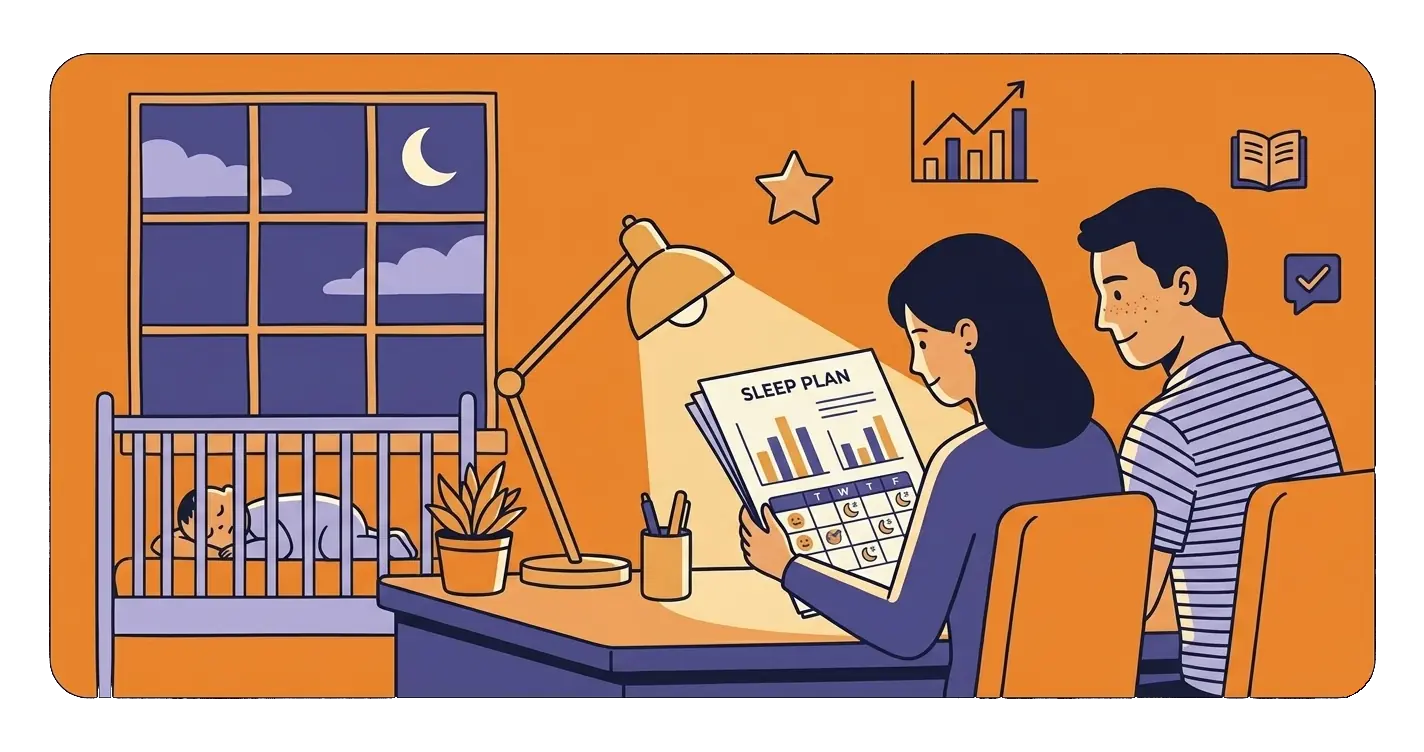
For 7–14 days, record the wake-up time, nap times and durations, start of the evening routine, approximate sleep time, nighttime awakenings, and the child's mood during the day. Include illnesses, medications, screen use, and unusual events. This record helps identify recurring patterns and can be useful during consultations.
2. Establish Consistent Daily Points
Particularly important is as regular a morning wake-up time as possible. Meals, outdoor activities, naps, and nighttime sleep should also occur at similar times, though the plan does not need to be minute-by-minute.
3. Ensure a Calm Evening Routine
The routine can include washing, putting on pajamas, dimming lights, feeding or dinner, a short book, and cuddling. It should be predictable and free from intense attractions. For older children, it is advisable to end screen use before starting the routine and leave the phone outside the bedroom.
4. Change Sleep Habits Gradually
There is no need to change sleep time, sleeping place, and calming method all at once. You can first stabilize the evening routine and then gradually reduce the scope of assistance, staying with the child and responding in a way appropriate to their age, health, and temperament.
Behavioral interventions, such as a regular routine, gradual introduction of new sleep conditions, and consistent boundaries for older children, can help treat some problems with falling asleep and nighttime awakenings [4]. However, there is no one method suitable for every family, and improvement usually requires time and consistency.
5. Check Bedroom Conditions
The room should be calm, darkened, and not too warm. It is worth minimizing noise and checking that clothing does not cause discomfort, and the child does not have a stuffy nose, pain, itching, or other issues hindering sleep.
Safe Sleep for Infants
Organizing sleep should not come at the expense of safety. Infants should be placed on their backs for every sleep, on a firm, flat, and non-inclined sleeping surface. The crib should not contain pillows, loose bedding, bumpers, plush toys, wedges, or positioners. It is recommended to sleep in the same room as the parent but on a separate surface, at least for the first 6 months of life [5].
If an infant falls asleep in a car seat, rocker, or other sitting device outside of travel time, they should be moved to a safe, flat surface as soon as possible. Weighted products intended for infant sleep should not be used.
When to Consult a Doctor or Specialist?
Sleep difficulties require consultation if they may result from illness, persist despite organizing daily habits, or significantly affect the child's health, development, and functioning.
When is Urgent Help Needed?
Seek medical help if during sleep the child:
- has noticeable breathing difficulties, turns blue, or becomes limp,
- has a prolonged breathing pause or does not respond properly to touch and voice,
- has a seizure, loses consciousness, or exhibits other sudden, concerning symptoms.
When to Schedule a Pediatric Consultation?
Contact a doctor if the child:
- regularly and loudly snores, breathes through the mouth, or has observed breathing pauses,
- chokes, gasps, or has difficulty breathing during sleep,
- is excessively sleepy during the day despite adequate sleep time,
- has chronic pain, itching, cough, severe reflux, or cries after being laid down,
- gains weight poorly, has feeding difficulties, or loses previously acquired skills,
- performs unusual, repetitive movements during sleep or exhibits behaviors causing concern,
- has sleep problems persisting for many weeks despite organizing the daily rhythm,
- takes medications after which insomnia or excessive sleepiness appeared.
A consultation is also indicated when parental sleep deprivation becomes so severe that it hinders safe child care. A pediatrician can assess health status and, if necessary, refer the child to an ENT specialist, pulmonologist, neurologist, psychologist, or sleep medicine clinic.
How is Insomnia in Children Treated?
Treatment depends on the cause. In cases of behavioral problems, changes in daily rhythm, sleep conditions, and response to sleep difficulties are usually the basis. When the cause is pain, breathing disorder, skin disease, or another health issue, diagnosis and treatment of the underlying condition are necessary.
Do not give a child melatonin, sleeping pills, or herbal preparations without consulting a doctor. Such measures do not replace identifying the cause of the problem, may cause side effects, and are not suitable for every child.
The pace of improvement is individual. It is worth assessing not only the number of awakenings but also the time to fall asleep, duration of night wakefulness, the child's daytime mood, and family burden. If implemented actions increase stress or do not bring improvement, the plan should be discussed again with a specialist.
Frequently Asked Questions
Do frequent infant awakenings mean insomnia?
No. An infant may wake up due to hunger, immature sleep rhythm, need for closeness, or temporary discomfort. Assessment is indicated when awakenings are exceptionally intense, last for a long time, affect the child's functioning, or are accompanied by concerning health symptoms.
Should naps be eliminated to improve nighttime sleep?
Naps should not be removed solely because of a few difficult nights. Too little daytime sleep can lead to overtiredness. It is worth checking if the nap is too late or too long for the child's age and needs.
Is feeding to sleep a mistake?
No. For many infants, feeding is a natural part of evening soothing. Consider change if the child needs feeding at every awakening solely to fall back asleep, and the situation is challenging for the family. For the youngest children, limiting nighttime feedings should be discussed with a pediatrician beforehand.
Can insomnia in children resolve on its own?
Temporary problems related to infection, travel, or schedule changes often resolve after removing the cause. Regular difficulties persisting for many weeks may, however, require organizing the daily rhythm, behavioral intervention, or medical diagnostics.
When should you see a sleep specialist?
Consider this when the problem persists despite consistent changes, significantly burdens the child and family, or there is suspicion of breathing disorders, unusual nighttime behaviors, or another illness. The first step is usually a consultation with a pediatrician.
Summary
Insomnia in children should be distinguished from typical infant awakenings and short-term sleep deterioration. If a child does not sleep well for a long time, it is worth keeping a sleep diary, organizing the daily rhythm, ensuring a calm routine, and checking bedroom conditions. For snoring, breathing pauses, pain, abnormal development, or excessive sleepiness, a medical consultation is needed.
If you want to organize information about your child's sleep before a consultation, you can use the SleepComplainer consultation form.
Sources
- American Academy of Pediatrics, HealthyChildren.org, materials on healthy sleep habits in children (AAP Healthy Sleep Habits).
- American Academy of Sleep Medicine, consensus on recommended sleep time for children and adolescents.
- Literature review: Behavioral insomnia in infants and young children.
- American Academy of Sleep Medicine, review of behavioral interventions in children's sleep disorders.
- American Academy of Pediatrics, recommendations for safe infant sleep (AAP Safe Sleep Guidelines).