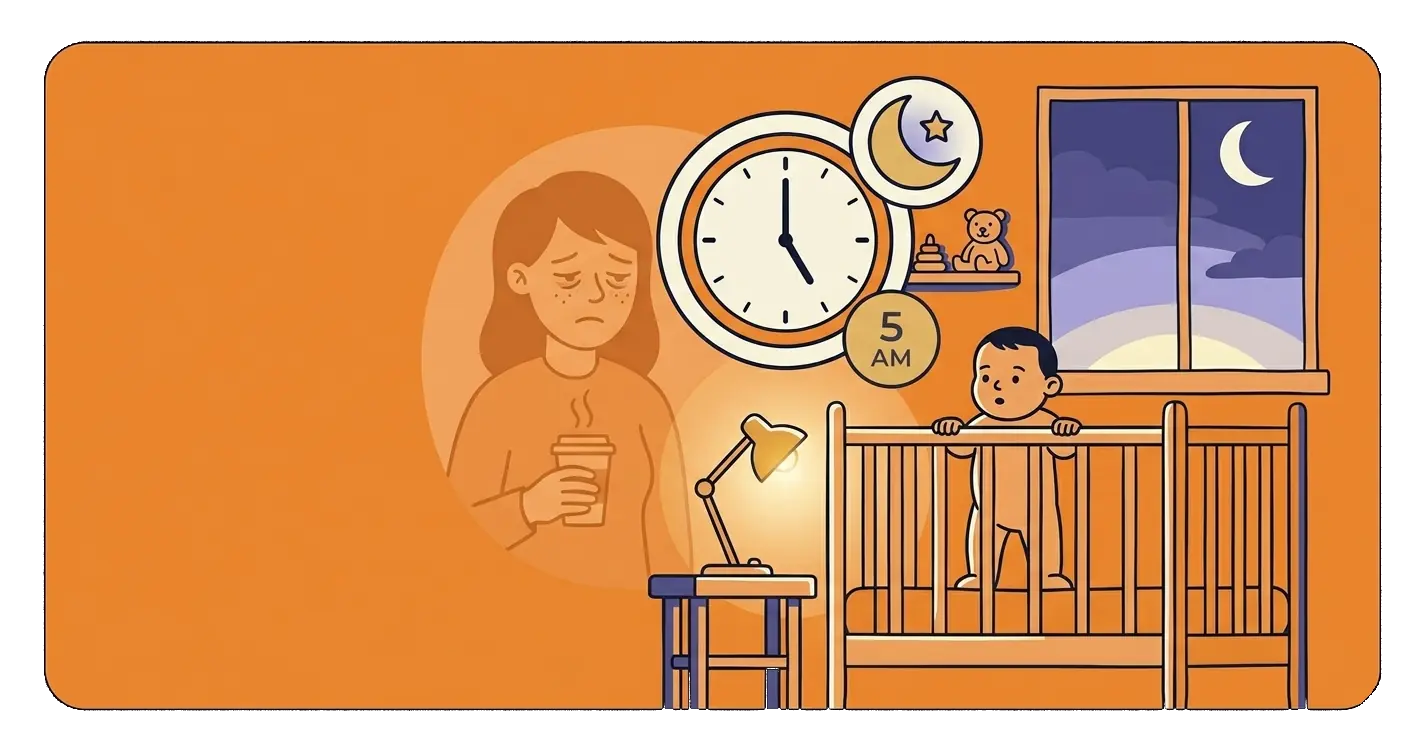
Difficulty falling asleep, prolonged evening rituals, and irregular awakenings are common challenges in families with children. These issues don't necessarily mean that a child is deliberately avoiding rest or needs unusually little sleep. The cause might be an ill-suited daily rhythm, inappropriate nap timing, excessive evening stimuli, or a lack of predictable signals indicating bedtime.
Child sleep hygiene encompasses daily habits and conditions that support the natural sleep-wake cycle. Pediatric recommendations emphasize regularity, adequate sleep length, a calm evening routine, daytime activity, and limiting screen use before bed [1]. It's not about a minute-by-minute plan but rather consistent frameworks tailored to the child's age, development, and needs.
What is child sleep hygiene?
Sleep hygiene is a set of behaviors and conditions that help the body prepare for rest. It includes wake and sleep times, nap schedules, evening routines, light exposure, physical activity, and bedroom conditions.
It's worth examining these elements if:
- falling asleep regularly takes too long and becomes a source of tension,
- the child is noticeably agitated, tearful, or irritable in the evening,
- sleep hours vary significantly between days,
- naps make it difficult to fall asleep at night or have ended too early,
- the child has trouble waking up in the morning or is sleepy during the day.
A single difficult night doesn't indicate a sleep disorder. More information comes from observing a repeated pattern over at least several days.
10 Rules for Child Sleep Hygiene
1. Set a Regular Wake-Up Time
A consistent start to the day supports the regulation of the circadian rhythm, including meal times, activities, naps, and evening drowsiness. As much as possible, maintain a similar wake-up time on both school days and weekends.
Rigidity to the minute isn't necessary. The key is to avoid large and frequent shifts. If a child wakes very early one day and several hours later the next, natural readiness for sleep may also occur at varying times.
2. Keep Similar Sleep Hours on Weekends
A regular schedule is a fundamental element of healthy sleep habits. Large weekend shifts can make it difficult to fall asleep on Sunday and return to the weekday plan. Recommendations for healthy sleep in children emphasize the importance of consistent bedtimes and wake times, as well as age-appropriate routines [5].
If the schedule needs changing, it's best to introduce it gradually while monitoring the child's well-being. Exceptions may include periods of illness or increased need for rest.
3. Match Sleep and Nap Length to Age
Sleep needs change with development. According to the American Academy of Sleep Medicine consensus, the recommended total sleep duration per day is [2]:
- Infants aged 4–12 months: 12–16 hours, including naps,
- Children aged 1–2 years: 11–14 hours, including naps,
- Children aged 3–5 years: 10–13 hours, including an optional nap,
- Children aged 6–12 years: 9–12 hours,
- Teenagers aged 13–18 years: 8–10 hours.
For infants under 4 months, no single range is specified due to the significant physiological variability in sleep patterns. The given values are indicative ranges. When assessing a child's needs, consider their mood, energy level, concentration, and ease of waking.
4. Don't Extend Wakefulness Just to Tire the Child Out
Putting a child to bed later doesn't always facilitate falling asleep. Excessive fatigue can lead to irritability, crying, increased activity, and difficulty calming down. In such cases, evaluate whether bedtime is too late and if the nap schedule still meets developmental needs.
For younger children, a nap ending late may delay evening drowsiness. Conversely, giving up naps too early can lead to overtiredness. Assess the sleep plan based on the child's functioning throughout the entire day, not just one evening.
5. Introduce a Short and Predictable Evening Routine
A repetitive sequence of calm activities helps the child recognize that bedtime is approaching. The routine may include washing, putting on pajamas, reading a book, a short conversation, a hug, and turning off the light. More important than an elaborate scenario is a consistent order and a calm conclusion.
The routine should be manageable for caregivers even on more demanding days. It's worth planning for bathroom use, tooth brushing, or preparing water in advance to limit the need for multiple trips out of bed.
6. Gradually Reduce Stimuli Before Bed
The end of the day should clearly differ from times of intense activity. Before bed, it's better to choose reading, drawing, simple puzzles, or a calm conversation. Dynamic play, loud noises, and bright lighting can hinder the transition from activity to rest.
This doesn't mean maintaining complete silence. The goal is to gradually slow down and create a clear boundary between day and night. During the day, ensure age-appropriate physical activity and access to natural light.
7. Stop Screen Use Before Bed
Phones, tablets, TVs, and consoles can delay falling asleep due to stimulating content, emitted light, and extended activity time. The American Academy of Pediatrics recommends creating a family media use plan, keeping screens out of the bedroom, and ending device use at least an hour before bed [4].
It's beneficial for this rule to apply to all household members. A child is more likely to accept the limitation when the caregiver also puts away devices and participates in a calm routine. Screens shouldn't replace a consistent calming method or remain on during falling asleep.
8. Ensure Restful Conditions
The bedroom should be as dark, quiet, well-ventilated, and comfortably temperate as possible. Limit street light, intense lamps, and sudden noises. The bed should primarily be associated with sleep, not watching movies or active play.
For infants, strictly adhere to safe sleep guidelines: lay the baby on their back, on a firm and flat sleep surface. The crib shouldn't contain pillows, loose blankets, bumpers, toys, or other soft items.
9. Avoid Overheating the Child
Sleepwear should match the room temperature. A sweaty neck, back, and damp hair may indicate the child is too warm. Clothing should be comfortable, breathable, and age-appropriate.
For infants, don't assess thermal comfort solely based on hands and feet, which may be cooler. Check the neck or chest instead. Remember not to place loose bedding or other items that pose a risk in the crib.
10. Change Sleep Methods Gradually and Consistently
Feeding, rocking, or a parent's presence can be natural elements of closeness. Change may be needed if the current sleep method is too burdensome for the family or must be fully repeated at each night waking.
You can gradually shorten the help time, soothe the child in their sleep space, or slowly reduce the caregiver's presence. The approach should consider the child's age, temperament, health, and family capabilities. Behavioral methods combined with parent education, predictable responses, and regularity form the basis of assistance in many children's sleep difficulties [3].
There is no one method suitable for every family. If the chosen approach causes increasing tension or doesn't bring improvement despite consistent use, discuss the situation with a pediatrician or a child sleep specialist.
How to Implement Sleep Hygiene Without Overburdening?
There's no need to implement all changes at once. Start with two or three elements, such as a regular wake-up, a short routine, and ending screen use before bed. Then observe the situation for about two weeks, unless symptoms require earlier consultation.
A simple sleep diary can be helpful, including:
- bedtime and approximate sleep time,
- nap times and duration,
- number and course of night awakenings,
- morning wake-up time,
- the child's mood, behavior, and daytime sleepiness,
- unusual events like illness, travel, or schedule changes.
This record helps assess sleep patterns and notice relationships that can't be reliably determined from a single night.
When to Consult a Doctor or Specialist?
Sleep problems don't always stem solely from daily habits. Consultation with a pediatrician is advisable if there are:
- regular, loud snoring, mouth breathing, or breathing difficulties at night,
- observed breathing pauses, choking, or gasping for air,
- unusual movements, pain, or frequent episodes of intense fear during sleep,
- marked daytime sleepiness, concentration issues, or deteriorating daily functioning,
- difficulties persist despite regular sleep hygiene practices,
- suspected sleep disturbances due to reflux, allergies, asthma, chronic cough, pain, itching, or medications,
- sudden and unexplained change in the usual sleep pattern.
Breathing pauses combined with cyanosis, limpness, difficulty waking, or severe choking require urgent medical attention. Symptoms of sleep-disordered breathing should be evaluated by a doctor, as improving evening habits alone won't address the underlying cause.
Frequently Asked Questions
How long should it take for a child to fall asleep?
There is no single correct value for all children. More important is whether falling asleep regularly takes too long, causes tension, and shortens total sleep time. If the problem recurs most evenings, analyze bedtime, naps, and the last hour of the day.
How soon can new habits be evaluated?
Initial changes may be visible after a few days, but a more reliable assessment usually requires about two weeks of consistent practice. During this period, there may be tougher nights due to illness, teething, travel, or developmental changes.
Should every child go to bed at the same time?
No. The appropriate time depends on age, wake-up time, nap schedule, and individual sleep needs. However, it should allow for the recommended rest duration and remain as regular as possible across days.
Should a child be woken up in the morning after a late night?
A one-time longer sleep may be needed, especially after illness or an exceptionally tiring day. However, if later wake-ups regularly shift the entire day's rhythm, gradually return to the set wake-up time. Discuss concerns about an infant or a child with a chronic illness with a pediatrician.
Does a night light interfere with falling asleep?
If a child needs a night light due to fear, use a weak, warm, and steady light placed outside the direct line of sight. Avoid bright lighting and devices emitting changing images. The bedroom should remain as dark as possible.
Can a nap make it harder to fall asleep at night?
Yes, especially if it lasts too long or ends late. However, this doesn't mean it should be eliminated immediately. For younger children, the absence of a needed nap can lead to overtiredness. Gradually adjust its timing and length, observing the child's behavior throughout the day.
Summary
Child sleep hygiene is primarily based on a regular daily rhythm, adequate sleep length, a calm routine, limiting evening stimuli, and comfortable bedroom conditions. It's best to start with a few changes the family can consistently maintain, rather than overhauling the entire daily plan at once.
If difficulties persist despite organized habits or if breathing disorders, severe sleepiness, or deteriorating daily functioning occur, the child should be evaluated by a doctor. Healthy habits support sleep but don't replace the diagnosis of possible medical causes.
Sources
- American Academy of Pediatrics, Healthy Sleep Habits: How Many Hours Does Your Child Need?
- American Academy of Sleep Medicine, Recommended Amount of Sleep for Pediatric Populations: A Consensus Recommendation.
- Polish literature review on the treatment of behavioral sleep disorders in children.
- American Academy of Pediatrics, recommendations on media and screen use by children.
- American Thoracic Society, Healthy Sleep in Children.