How to Plan Preschool Nutrition Without Pressure?
A child's appetite between the ages of 3 and 6 can vary significantly from day to day. Factors such as growth rate, activity level, fatigue, infections, and meals eaten at preschool all play a role. Therefore, it's beneficial to assess nutrition over the course of a week rather than focusing on a single meal.
A sample meal plan should offer variety but doesn't require preparing entirely new dishes every day. Repeating breakfasts, using dinner leftovers for two days, and opting for simple substitutes can streamline organization and reduce food waste. The NCEZ's recommendations for preschoolers also emphasize regular meals and combining foods from different groups [1].
The following plan is an example for a healthy child. It should be adjusted according to meals provided at preschool, the child's appetite, activity level, allergies, and recommendations from a doctor or dietitian.
Meal Rhythm for Ages 3–6
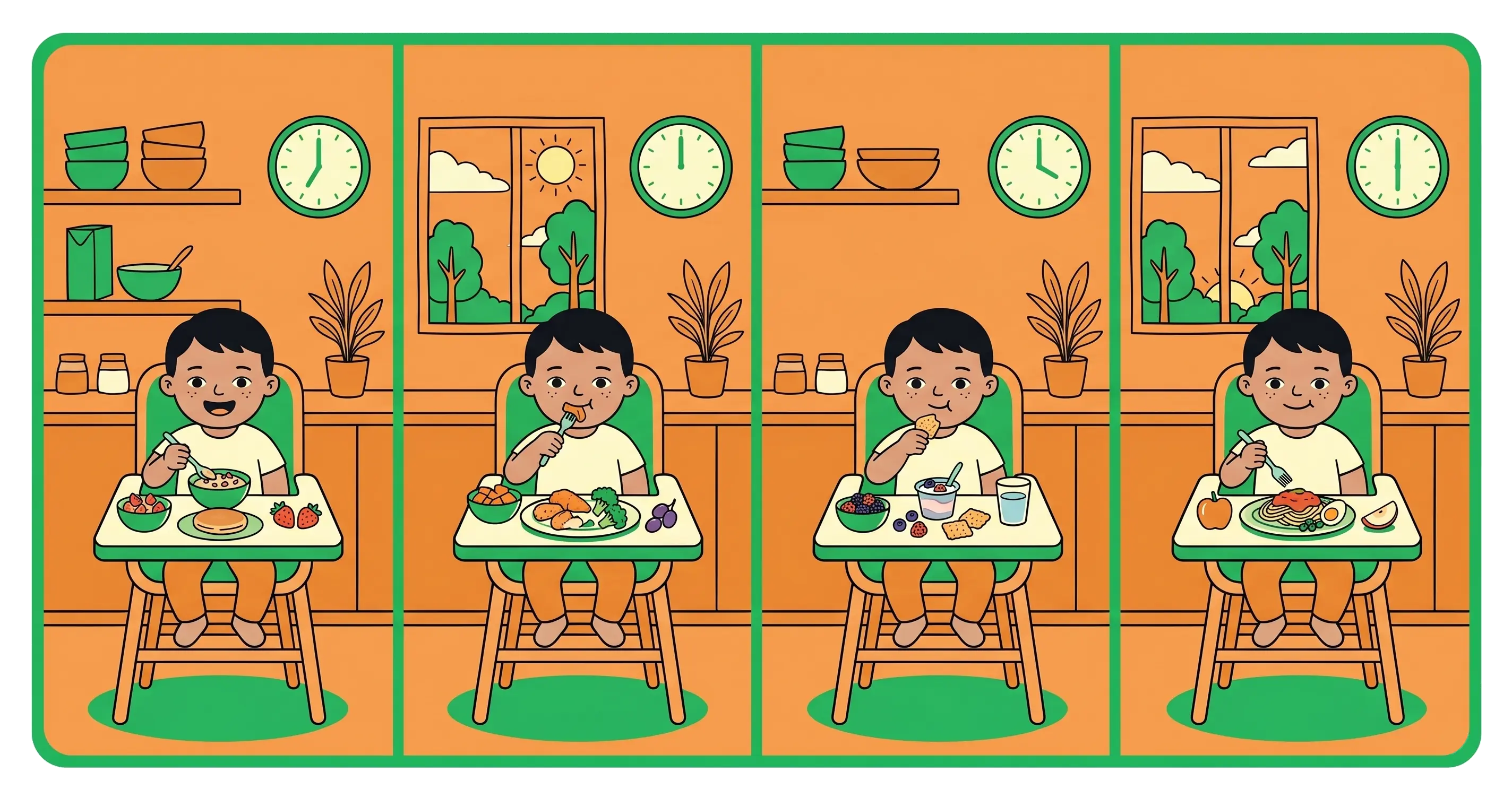
For most preschoolers, 4–5 meals spaced approximately every 3–4 hours work well:
- breakfast,
- mid-morning snack,
- lunch,
- afternoon snack,
- dinner.
If your child eats breakfast, a mid-morning snack, and lunch at preschool, there's no need to replicate the full plan at home. You can offer a small breakfast before leaving and an afternoon snack and dinner upon returning. The key is to avoid having food available continuously throughout the day.
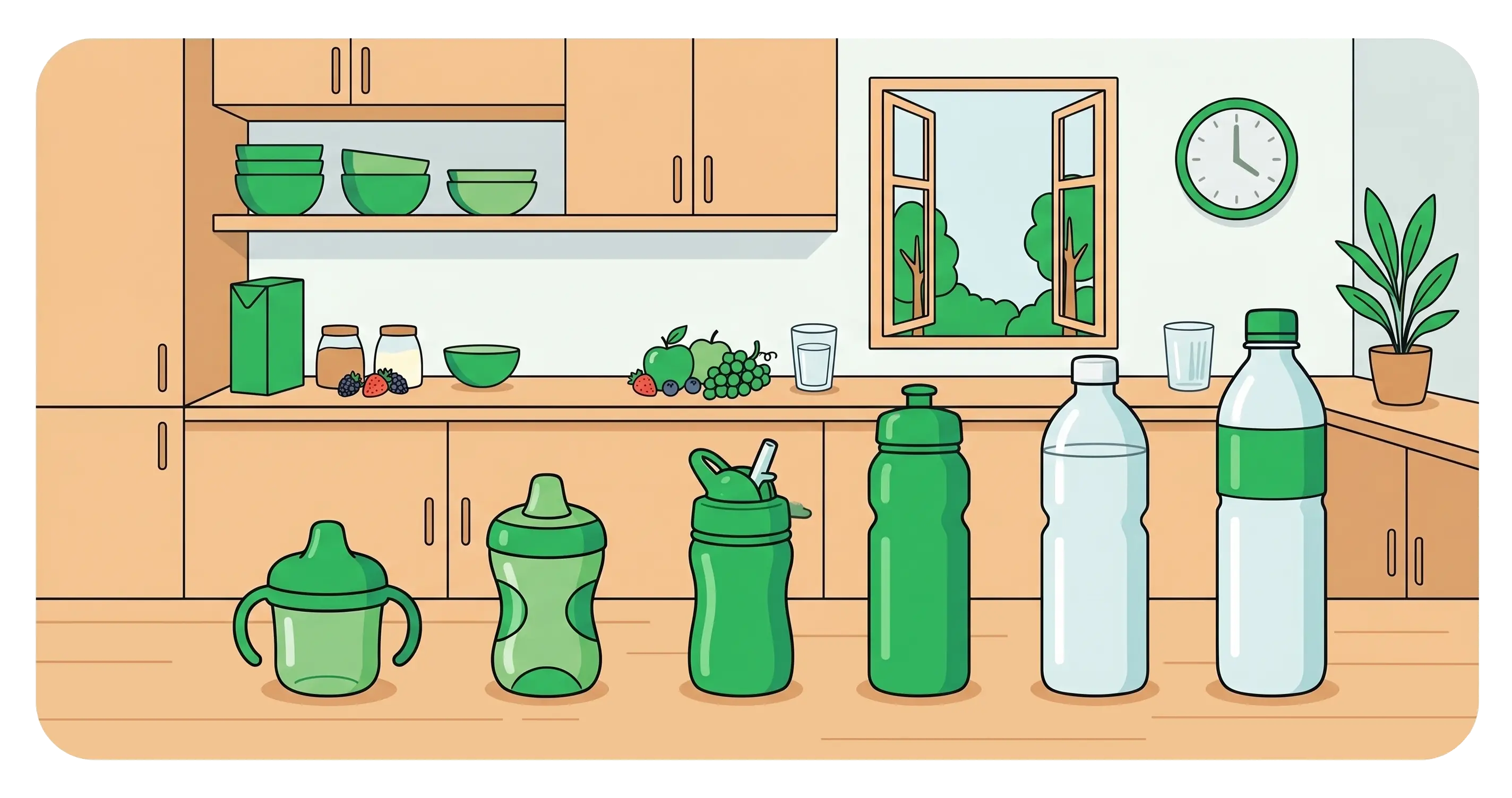
Water should be the primary drink between meals. Juices, sweetened drinks, flavored dairy products, and frequent snacks provide energy, which may prevent a child from feeling hungry at mealtime. Limiting free sugars is crucial for preventing cavities, excessive weight gain, and developing a preference for very sweet tastes [2].
What Should Regularly Appear in the Menu?
Throughout the week, include:
- grains: bread, oats, rice, groats, and pasta, gradually incorporating whole grains;
- vegetables and fruits: served with most meals, in various colors and forms;
- protein sources: eggs, natural dairy, fish, meat, tofu, and legumes;
- fats: olive oil, canola oil, avocado, and smooth peanut butter, if there are no contraindications;
- water: available regularly throughout the day.
There's no need to prepare a separate dinner for a healthy preschooler. The child can eat a mildly seasoned version of the family meal. It's beneficial to limit highly processed foods, excess salt, sugary drinks, and frequent sweets. Nutritional guidelines also emphasize the importance of a varied diet and adapting feeding methods to the child's developmental needs [4].
Approximate Portions for Preschoolers
There's no single correct portion size for all children aged 3 to 6. A younger, smaller preschooler may need significantly less than an active child nearing school age. A good approach is to start with a small portion and allow for seconds.
Initially, you can offer:
- bread: 1/2–1 slice or 1/2 small roll;
- cooked groats, rice, or pasta: about 3–5 tablespoons;
- potatoes: 1 small or 1/2 larger one;
- oatmeal or groats with milk: about 1/2–3/4 cup of the prepared dish;
- meat, fish, or tofu: a piece roughly the size of half the child's hand;
- egg: 1 piece;
- natural yogurt: about 100–150 g;
- vegetables or fruits: a few pieces, a small handful, or a few tablespoons.
These are approximate values, not a mandatory target. Parents decide what, when, and where to serve, while the child can decide whether to eat and how much they need. The basics of responsive feeding are already described in infant nutrition guidelines and remain a useful principle throughout further development stages [3].
The Importance of Safe Form
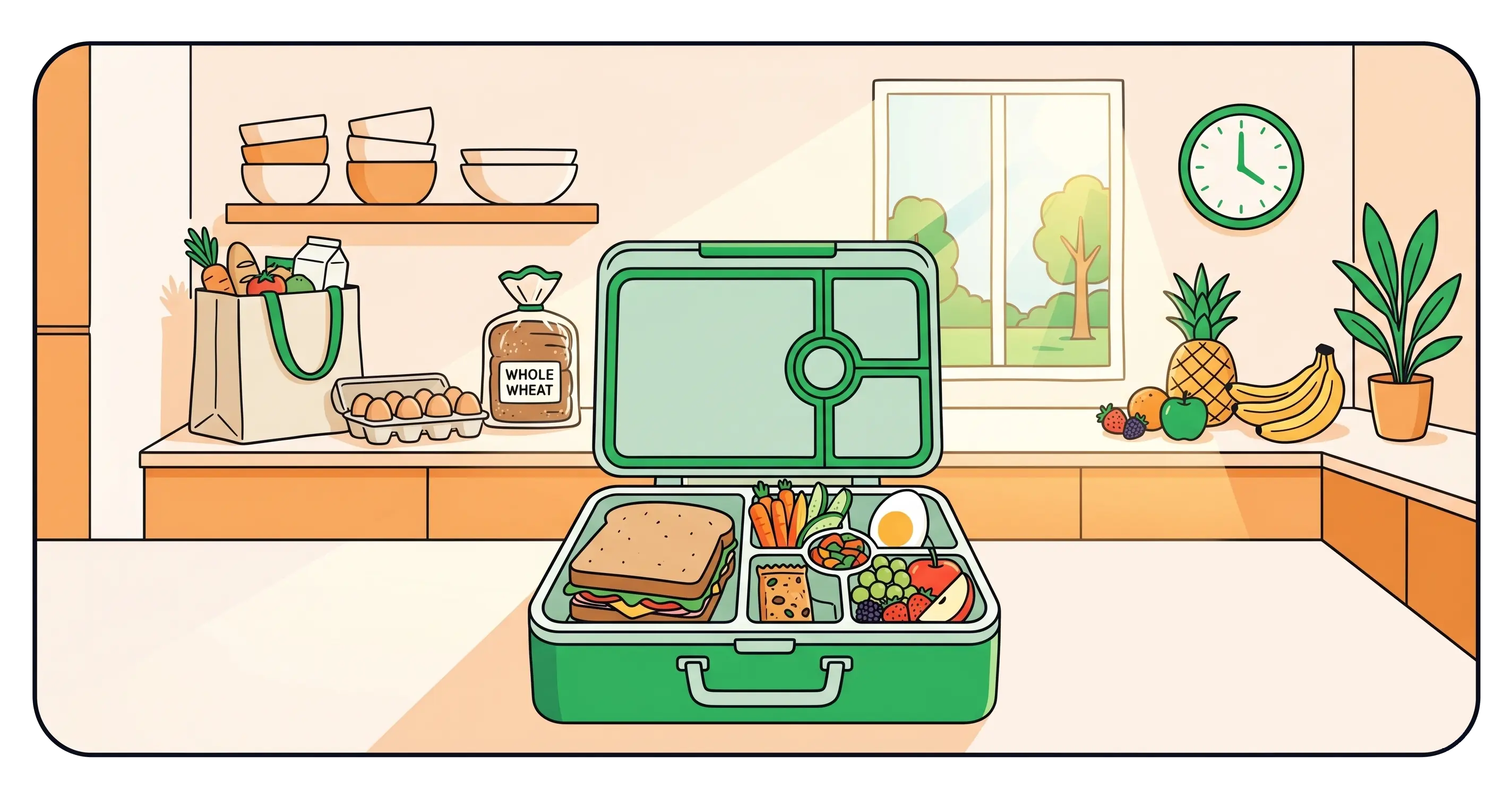
Grapes and cherry tomatoes should be cut lengthwise into quarters. Hard vegetables can be grated, cooked, or cut into thin sticks appropriate for the child's skills. Whole nuts should not be given; ground nuts or smooth peanut butter spread thinly are safer. A child should eat while seated and under adult supervision.
Weekly Meal Plan for Preschoolers Aged 3–6
The menu includes five meals a day. If some are provided by the preschool, use only the suggestions needed at home. Portion sizes should be adjusted to the child's appetite.
Day 1
- Breakfast: oatmeal with milk or unsweetened calcium-fortified drink, banana, and cinnamon.
- Mid-morning snack: sandwich with cottage cheese and cucumber, grapes cut lengthwise into quarters.
- Lunch: tomato soup with vegetables and rice, natural yogurt.
- Afternoon snack: apple and a few tablespoons of natural yogurt.
- Dinner: bread with egg paste and tomato.
Day 2
- Breakfast: bread with cheese and bell pepper.
- Mid-morning snack: banana-oat pancakes and a pear.
- Lunch: second serving of tomato soup, with bread or egg if needed.
- Afternoon snack: smoothie with kefir and fruits without added sugar.
- Dinner: tortilla with hummus, roasted chicken, and soft vegetables.
Day 3
- Breakfast: semolina porridge with milk and fruit puree without added sugar.
- Mid-morning snack: small sandwiches with avocado and egg paste.
- Lunch: baked turkey meatball, potatoes, and cooked carrots with peas.
- Afternoon snack: pear and natural cheese.
- Dinner: bread with cottage cheese, tomato, and chives.
Day 4
- Breakfast: oatmeal with grated apple and a thin layer of smooth peanut butter.
- Mid-morning snack: natural yogurt, banana, and crispbread.
- Lunch: groats with lentils or tofu, zucchini, carrots, and mild tomato sauce.
- Afternoon snack: homemade fruit jelly without added sugar.
- Dinner: toast with cheese and vegetables.
Day 5
- Breakfast: bread with chickpea paste and cucumber.
- Mid-morning snack: oat muffin without icing and a tangerine.
- Lunch: baked fish, potatoes, and broccoli with a bit of olive oil.
- Afternoon snack: natural yogurt with blueberries.
- Dinner: pancake with cottage cheese and fruits.
Day 6
- Breakfast: soft-boiled egg, bread, and tomato.
- Mid-morning snack: apple, a piece of cheese, and a small roll.
- Lunch: cream of broccoli or pumpkin soup, croutons, and white bean paste.
- Afternoon snack: kefir and banana.
- Dinner: tortilla with vegetables, cheese, and leftover roasted meat or tofu.
Day 7
- Breakfast: cottage cheese pancakes with yogurt and fruits.
- Mid-morning snack: sandwich with a thin layer of smooth peanut butter and a pear.
- Lunch: pasta with tomato sauce, vegetables, and meatballs or lentils.
- Afternoon snack: baked apple with cinnamon.
- Dinner: bread with fish paste and cucumber or millet with vegetables.
How to Flexibly Swap Meals?
The meal plan doesn't have to be followed exactly day by day. It's easiest to swap products within the same group, maintaining a similar role in the meal.
- Oatmeal: semolina, millet, rye flakes, or bread.
- Rice or groats: pasta, potatoes, bread, or another groat.
- Yogurt: kefir, natural cheese, cottage cheese, or an unsweetened calcium-fortified substitute.
- Meat: fish, egg, tofu, lentils, beans, or chickpeas.
- Raw vegetables: cooked, baked, grated, served in soup or sauce.
- Fresh fruits: frozen, baked, or puree without added sugar.
If a child doesn't accept a new dish, you can serve at least one familiar ingredient alongside it, such as bread, rice, or a favorite vegetable. There's no need to immediately prepare a separate meal. Children often need many calm exposures to a product before deciding to try it. The American Academy of Pediatrics also emphasizes the importance of responding to hunger and fullness cues and avoiding pressure to eat [5].
Shopping List for the Week
Quantities should be adjusted to the number of household members and how many meals the child eats at preschool. Before shopping, check your pantry and mark dishes planned for two days.
Grain Products
- mixed or whole grain bread with a simple ingredient list,
- small rolls and tortillas,
- oats,
- semolina, millet, and dinner groats,
- rice and pasta,
- flour for pancakes and fritters,
- crispbread or ingredients for croutons.
Dairy and Eggs
- milk or suitable calcium-fortified drink,
- natural yogurt and kefir,
- cottage cheese or natural cheese,
- yellow cheese,
- eggs.
Other Protein Sources
- turkey or chicken,
- fish, preferably boneless,
- tofu,
- lentils, chickpeas, or beans,
- simple ingredient hummus.
Vegetables
- tomatoes, cucumbers, and bell peppers,
- carrots, onions, and zucchini,
- broccoli or pumpkin,
- potatoes,
- peas, lettuce, or other vegetables for tortillas,
- tomato passata without added sugar.
Fruits
- bananas, apples, and pears,
- tangerines,
- blueberries or other berries,
- grapes intended for serving after proper cutting,
- fresh or frozen fruits for smoothies.
Additions
- olive or canola oil,
- smooth peanut butter,
- cinnamon and mild herbs,
- ground nuts or seeds, if well tolerated.
How to Support Appetite and Expand the Range of Dishes?
- Serve meals at consistent times and avoid constant snacking.
- Offer primarily water between meals.
- Start with small portions and allow for seconds.
- Don't insist on a clean plate and don't use dessert as a reward.
- Introduce new products in small amounts alongside familiar foods.
- Allow your child to explore food through sight, touch, and smell.
- Eat together whenever possible, without screens and in a relaxed setting.
Refusal to eat a product doesn't mean you should completely give up on it. You can reintroduce it after a few days in a different form, without commenting on the amount eaten.
When to Consult a Doctor or Specialist?
Consultation with a pediatrician is advised if your child:
- loses weight, doesn't gain according to their growth curve, or noticeably stops growing;
- has difficulty chewing or swallowing, frequently chokes, coughs during meals, or holds food in their mouth;
- experiences pain while eating, has frequent vomiting, chronic diarrhea, constipation, or blood in the stool;
- accepts fewer and fewer products or entire food groups;
- reacts to food with rash, swelling, wheezing, or other symptoms suggesting an allergy;
- is apathetic, shows signs of dehydration, or refuses to drink fluids;
- experiences intense fear of eating, and meals regularly cause significant family tension.
Depending on the issue, a pediatrician, pediatric dietitian, gastroenterologist, allergist, or feeding therapy specialist may be helpful. Sudden shortness of breath, tongue or throat swelling, loss of consciousness, or signs of choking require immediate medical attention.
Frequently Asked Questions
How many meals a day should a preschooler eat?
Typically, 4–5 meals every 3–4 hours work well. The number and timing should be adjusted to the child's day and preschool schedule.
What if my child eats very little one day?
If they are healthy, active, and growing properly, a single day with a reduced appetite is usually not a concern. Continue offering regular meals without coaxing or replacing them with random snacks.
Does my child need to drink juice every day?
No. Water should be the primary drink. It's better to serve fruit whole, as it provides fiber and requires chewing.
Do I need to cook separately for my preschooler?
Usually not. A child can eat an appropriately portioned and mildly seasoned version of the family meal. However, ensure a safe texture and limit very salty, spicy, and highly processed foods.
What to serve after preschool?
First, check when and how much your child ate at preschool. If they're hungry, you can offer a sandwich with vegetables, natural yogurt with fruit, kefir and bread, or a small portion of dinner.
Can a plant-based substitute replace milk?
Not every plant-based drink has nutritional value similar to milk. If eliminating dairy is necessary, discuss the choice of a calcium-fortified substitute with a pediatrician or dietitian, especially in cases of allergy.
Summary
A practical meal plan for preschoolers is based on a regular rhythm, diverse foods, and flexible substitutes. Instead of evaluating a single meal, it's better to look at the entire week, the child's well-being, and development. Starting with a small portion, allowing for seconds, and avoiding pressure helps children recognize their own hunger and fullness signals.
Sources
- National Center for Nutrition Education, meal plans for preschool children.
- National Center for Nutrition Education, 2025 materials on free sugars in the diet.
- National Center for Nutrition Education, materials on infant nutrition used as a methodological base for responsive feeding.
- Polish Society of Gastroenterology, Hepatology, and Nutrition for Children, position on child nutrition.
- American Academy of Pediatrics, Infant Food and Feeding.