A One-Year-Old at the Family Table
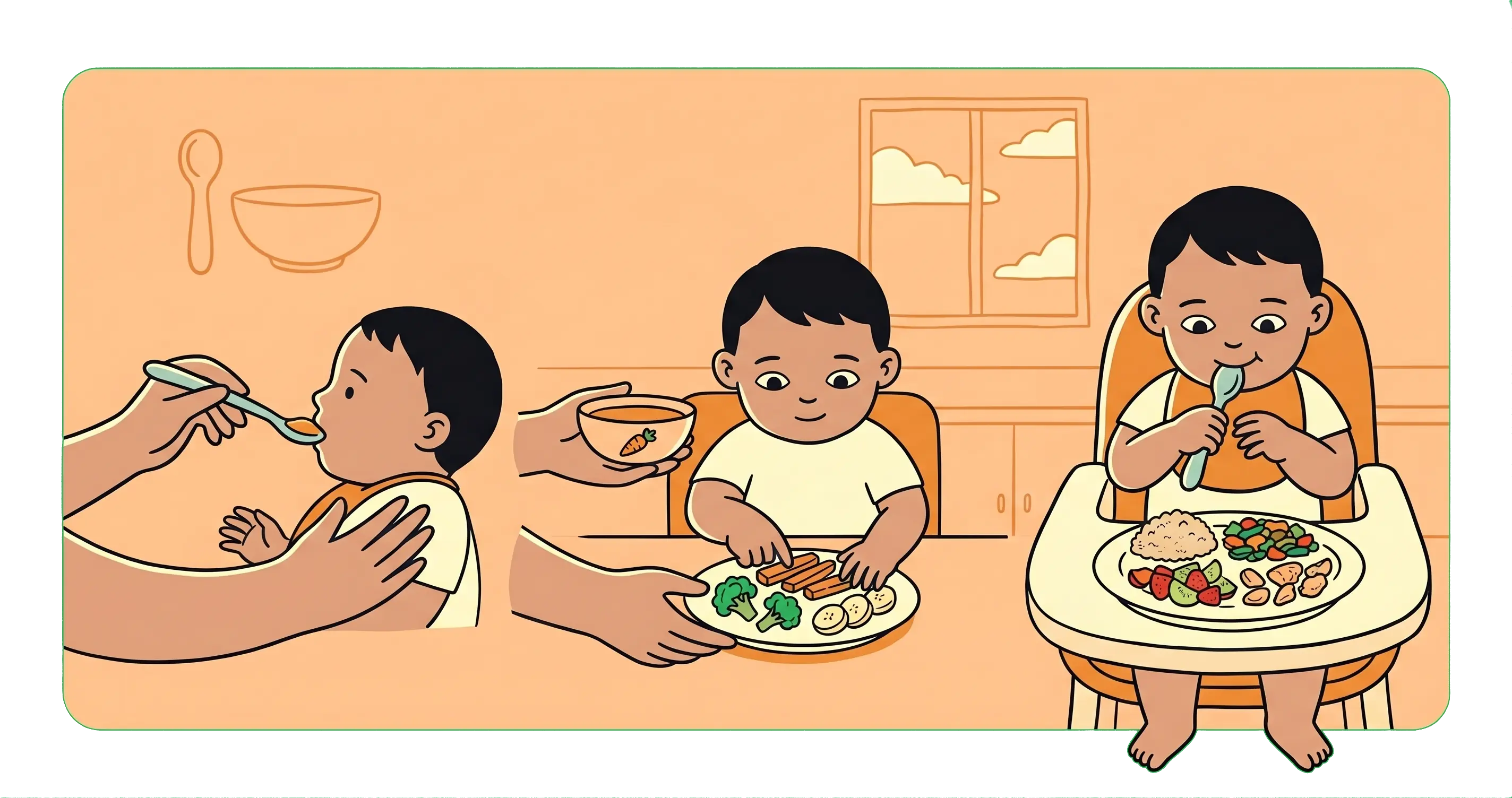
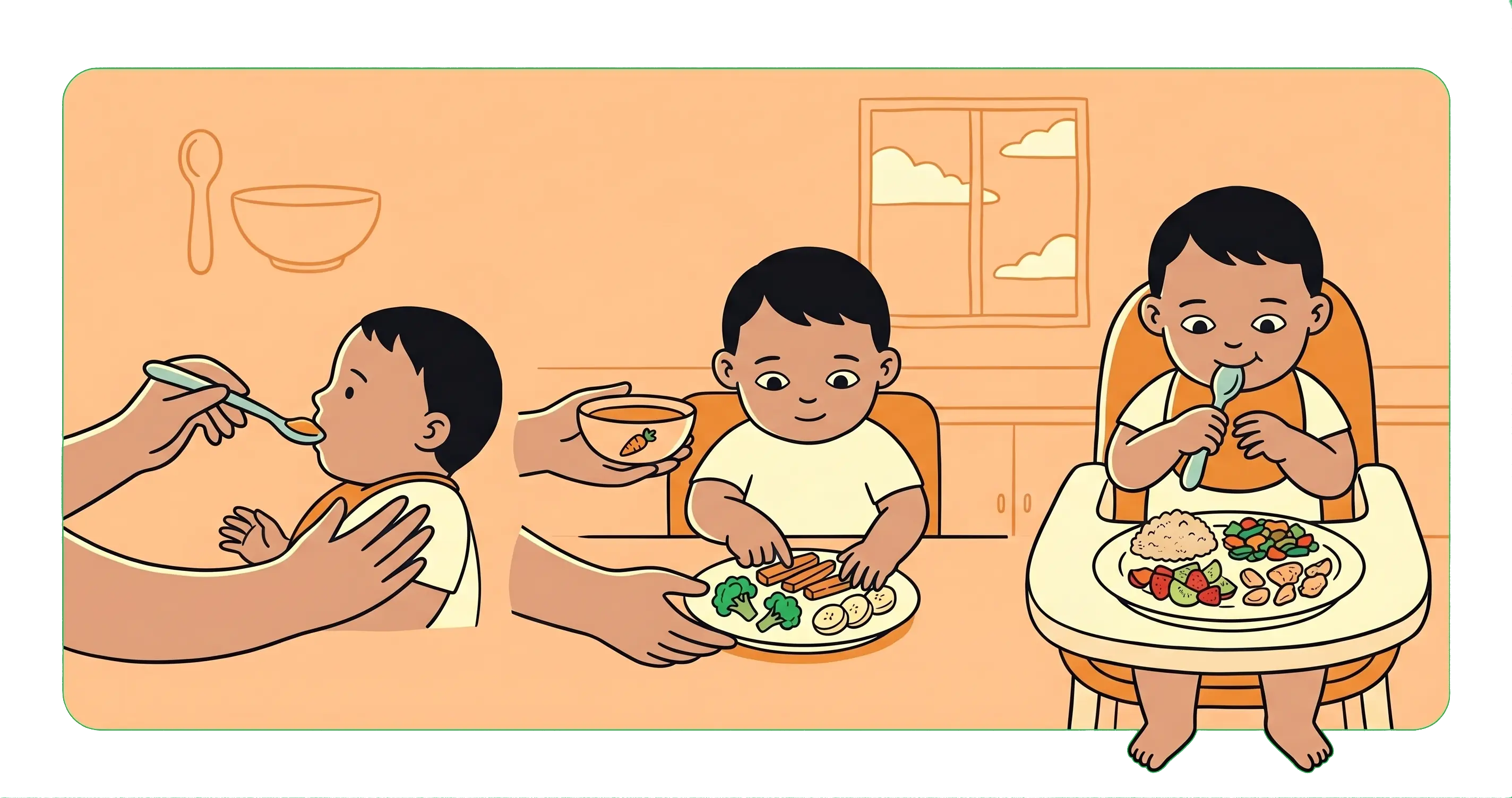
After the 12th month, a child can gradually transition to the family diet. However, this doesn't mean that every meal suitable for adults will be safe for them. Meals should still be soft, not too salty, mildly seasoned, and served in a form suitable for their chewing abilities.
The foundation of a one-year-old's diet is regular meals, a variety of foods, and a calm atmosphere at the table. Recommendations for feeding young children also emphasize the importance of responding to hunger and fullness cues, rather than urging the child to eat a specific portion [1].
How Many Meals Should a One-Year-Old Eat?
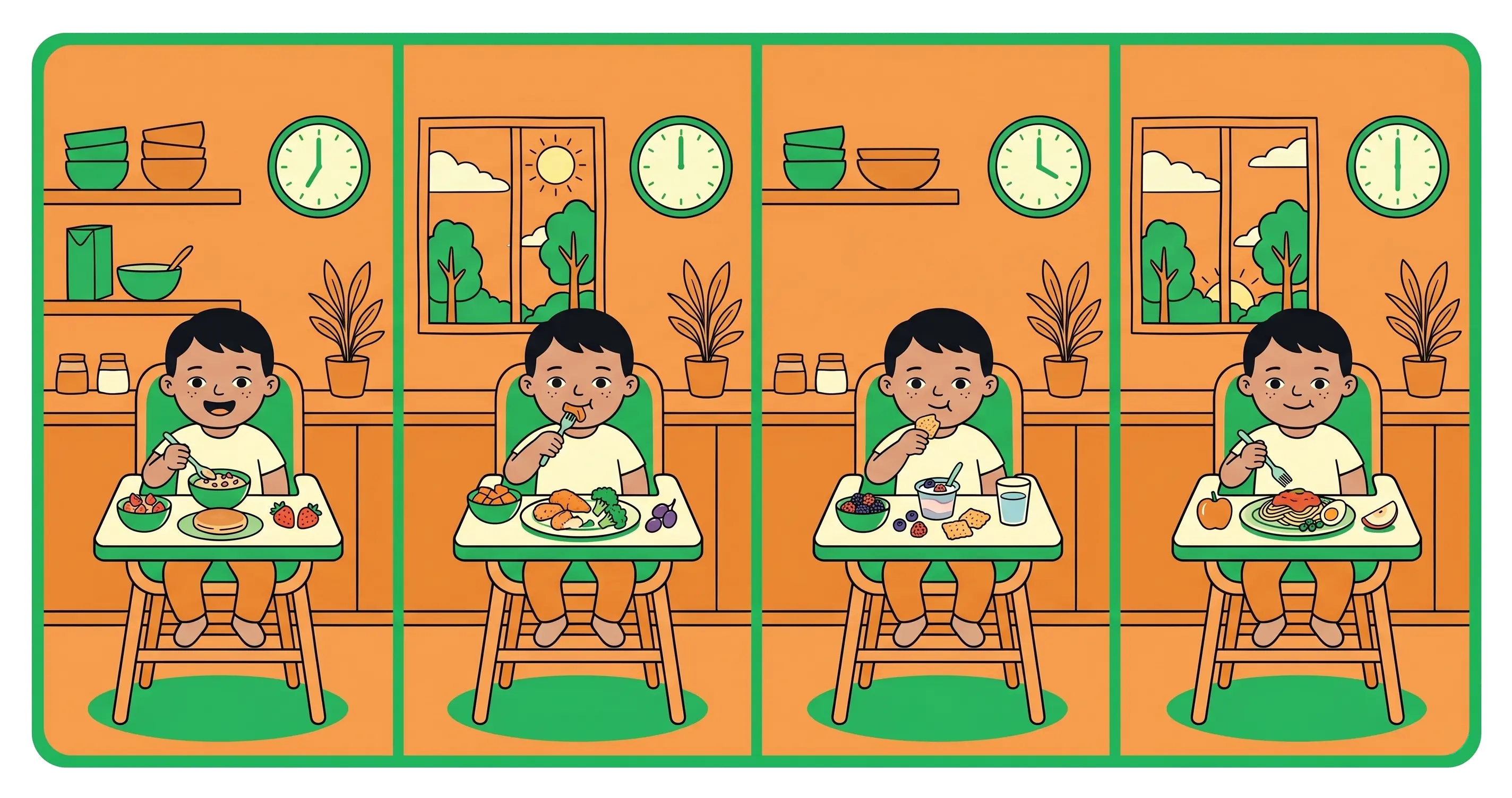
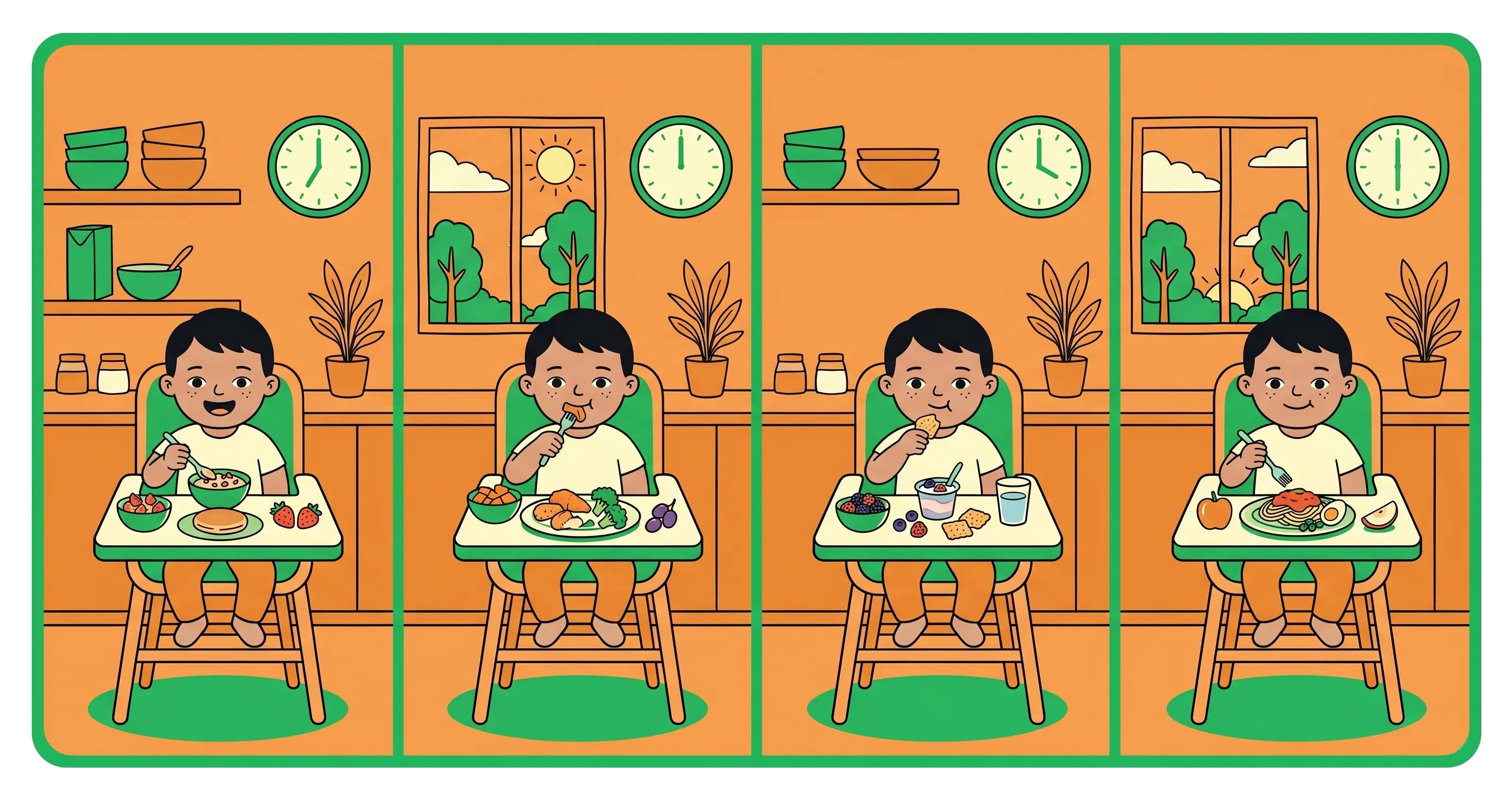
For most one-year-olds, the model of 3 main meals and 1-2 smaller supplementary meals works well. In practice, these can be:
- breakfast,
- mid-morning snack,
- lunch,
- afternoon snack,
- dinner.
Meals can be offered approximately every 3-4 hours, considering wake-up time, naps, milk feedings, and the child's individual appetite. Regularity doesn't mean eating at the exact same minute every day. It's more important to limit constant snacking, as frequent snacks and caloric drinks can reduce appetite for proper meals.
Sample Daily Routine
- 7:30 – breakfast,
- 10:30 – mid-morning snack,
- 13:30 – lunch,
- 16:30 – afternoon snack,
- 19:00 – dinner.
The times are just examples. Some children need four meals, others five. Breastfeeding can continue according to the needs of the child and parent, even after the first year [2].
What Can a One-Year-Old Eat?
A one-year-old's diet should be as varied as possible. Throughout the day, it's good to offer vegetables, fruits, grains, protein sources, and fats. Not every meal needs to include all food groups — variety over the whole day and week is what matters.
Vegetables and Fruits
Vegetables should be offered several times a day, for example, with lunch, sandwiches, omelets, or soups. Good choices include:
- carrots, pumpkin, zucchini, and beets,
- broccoli, cauliflower, and green beans,
- potatoes and sweet potatoes,
- tomatoes without hard skin fragments,
- soft cucumber, peas, and avocado.
Fruits can be part of breakfast or a smaller meal. A one-year-old can eat bananas, pears, soft apples, plums, apricots, peaches, raspberries, and properly prepared blueberries. It's best to serve fruits whole or in pieces suited to the child's skills, rather than as juice.
Grain Products
The diet can include oatmeal, groats, rice, pasta, bread, and sugar-free pancakes. It's worth gradually introducing different types of grains, rather than relying solely on one type of porridge.
Sources of Protein and Iron
Every day, offer products that are sources of protein, and regularly include those rich in iron. These can be:
- eggs,
- meat, such as poultry, beef, or rabbit,
- fish thoroughly cleaned of bones,
- lentils, chickpeas, beans, and other legumes,
- natural yogurt, kefir, and cottage cheese.
For plant-based iron sources, serve them with vegetables or fruits rich in vitamin C. Diversifying textures and food groups should be gradual, but there's no need to delay learning to eat soft pieces [3].
Fats
Fat is an important component of a young child's diet. Meals can include olive oil, canola oil, a small amount of butter, avocado, and smooth peanut butter or sesame paste. Whole nuts should not be given to a one-year-old due to the risk of choking.
Milk in a One-Year-Old's Diet
After the first birthday, milk can still be an important part of the diet, but it shouldn't replace most solid meals. Breastfeeding can continue as long as it suits the child and parent. If the child is not breastfed, the type and amount of milk should be adjusted to the overall diet and pediatrician's recommendations.
After 12 months, pasteurized whole cow's milk can be introduced as a drink, unless there are medical contraindications. There's no need for routine use of so-called toddler drinks if the diet is well-balanced. Excessive milk can limit appetite for meals and displace iron-rich foods. The daily dairy intake should also include yogurt, kefir, and cheese.
Cow's milk should not be replaced with random plant-based drinks. These products differ in protein, fat, calcium, and vitamin content. In cases of allergies, elimination diets, or avoidance of animal products, a suitable substitute should be chosen with the help of a pediatrician or child nutritionist.
What Should a One-Year-Old Drink?
The primary drink between meals should be water. It can be offered in an open cup or a cup with a straw. Fluid needs vary depending on temperature, activity, type of food, fever, diarrhea, and breastfeeding. Regularly offer water, but don't force the child to drink a specific amount [5].
Juices, sweetened teas, and other sugary drinks are unnecessary. They can contribute to tooth decay, create a preference for sweet tastes, and reduce appetite. Children should not be allowed to fall asleep with a bottle containing milk or a sweet drink.
How Large Should a Portion Be?
A one-year-old's appetite can vary significantly from day to day. There's no need to weigh each portion or insist on finishing the plate. Parents decide what, when, and where to serve, while the child decides whether and how much to eat.
Start with a small amount, such as a few spoonfuls or soft pieces. If the child still signals hunger, offer more. This approach helps respect fullness signals and reduces mealtime tension. The American Academy of Pediatrics also recommends responsive feeding and avoiding pressure at the table [4].
Nutritional quality isn't determined by a single meal. It's better to assess the diet over several days, and monitor the child's growth through regular measurements on growth charts.
Safe Serving Form
A one-year-old should eat while seated, under adult supervision. Do not serve food while walking, playing, or driving. The texture should allow easy mashing with the tongue or gums.
Particular attention is needed for hard, round, slippery, and elastic foods:
- grapes and cherry tomatoes should be cut lengthwise into quarters,
- blueberries should be mashed, especially if the child is just learning to chew,
- apples and carrots should be softened, grated, or cut very thinly,
- sausages should be cut lengthwise, not into round slices,
- fish should be thoroughly cleaned of bones,
- peanut butter should be spread thinly or mixed into a dish.
Whole nuts, popcorn, hard candies, large pieces of meat, and other foods that can block the airways should not be given to a one-year-old.
How to Transition to a Family Diet?
There's no need to cook two completely different meals. It's easiest to prepare a common base, set aside the child's portion, and then season the adult meal more strongly. The child's meal can have the same ingredients as the family dinner but should contain less salt and not be spicy.
Easy to include at the family table are:
- vegetable soups,
- boiled or baked meatballs,
- rice, groats, pasta, and potatoes,
- soft vegetables,
- well-cooked omelets or scrambled eggs,
- mild vegetable sauces,
- baked fish without bones.
Limit salt, sugar, salty cold cuts, fast food, and highly processed snacks. New foods should be served alongside familiar ones. A child may need many calm exposures to a new taste before deciding to try it.
Sample Meal Plan for a One-Year-Old
The following suggestions are for inspiration, not a strict plan. Portion sizes should be adjusted to the child's appetite and abilities.
Day One
- Breakfast: oatmeal with grated pear and a small amount of peanut butter.
- Mid-morning snack: bread with egg paste and soft tomato.
- Lunch: chicken meatball, groats, boiled broccoli, and vegetable sauce.
- Afternoon snack: natural yogurt with mashed raspberries.
- Dinner: sandwich with avocado paste and soft vegetables.
Day Two
- Breakfast: well-cooked scrambled eggs, bread, and boiled zucchini.
- Mid-morning snack: banana and natural kefir.
- Lunch: vegetable soup with meat, potatoes, and parsley.
- Afternoon snack: soft pear and a piece of bread.
- Dinner: millet with plum.
Day Three
- Breakfast: bread with cottage cheese and soft cucumber.
- Mid-morning snack: oatmeal with apple.
- Lunch: pasta with lentil and vegetable sauce.
- Afternoon snack: natural yogurt with mashed blueberries.
- Dinner: omelet with vegetables and avocado.
Water can be offered with each meal. Breastfeeding or milk given in another schedule should be included in the daily routine to ensure it doesn't reduce the child's appetite for solid meals.
Common Challenges in Feeding a One-Year-Old
- Constant snacking: the child may not feel hungry at lunch or dinner.
- Excessive milk and dairy: can displace vegetables, meat, fish, eggs, and iron-rich products.
- Lack of variety: a diet based solely on porridge, fruits, or bread doesn't meet all needs.
- Pressure at the table: urging, distracting with screens, and rewarding for eating can hinder recognizing hunger and fullness.
- Too difficult texture: large, dry, or hard pieces can discourage and increase choking risk.
It's best to introduce one or two changes at a time. A new product can be placed next to familiar food without requiring the child to try it immediately.
When to Consult a Doctor or Specialist?
Appetite fluctuations are common in one-year-olds, but some symptoms require a pediatrician's consultation. Seek help if there are:
- lack of expected weight gain or drop on growth charts,
- marked weakness, drowsiness, low urine output, or other signs of dehydration,
- frequent vomiting, chronic diarrhea, constipation, pain during eating, or blood in stool,
- coughing, choking, cyanosis, or breathing difficulties during meals,
- problems with chewing and swallowing or prolonged holding of food in the mouth,
- accepting very few products or losing previously tolerated foods,
- strong anxiety, crying, or tension during most meals,
- possible allergy symptoms, such as hives, swelling, wheezing, or repeated vomiting after a specific product.
Sudden difficulty breathing, cyanosis, swelling of the tongue or face, and loss of consciousness require immediate emergency assistance. For persistent eating difficulties, a pediatrician may recommend consultation with a child nutritionist, speech therapist, or feeding specialist.
Frequently Asked Questions
Can a One-Year-Old Eat the Same as Adults?
They can gradually eat family meals if they are made from minimally processed foods, contain little salt, and have a safe texture. Set aside the child's portion before heavily seasoning the dish.
Does a One-Year-Old Need to Eat Five Meals?
Not every child needs exactly five meals. Typically, 3 main meals and 1-2 smaller ones are suitable. The number of meals should be adjusted to the daily routine, milk feeding, and appetite.
Should Milk Be Stopped After the First Birthday?
No. Breastfeeding can continue, and milk can still be part of the diet. However, it should complement a variety of solid meals, not replace most food. The type of milk should be discussed with a pediatrician if the child has allergies, deficiencies, growth disorders, or follows an elimination diet.
What to Do if a Child Refuses Lunch?
Don't force them to eat or immediately replace lunch with a sweet snack. Calmly end the meal, offer water, and present the next planned meal at the usual time. If refusals are frequent or affect growth, consultation is needed.
Can a One-Year-Old Have Honey?
After 12 months, honey is no longer contraindicated due to infant botulism. However, it is still a source of free sugars, so it should be used sparingly and in small amounts.
Summary
A one-year-old's diet should be based on 3 main meals and 1-2 smaller ones, served in a predictable rhythm. Throughout the day, include vegetables, fruits, grains, protein sources, iron, and fats. Water is the primary drink, and milk should complement, not replace, solid meals.
Parents are responsible for choosing and safely serving food, while the child can decide how much to eat. Gradually transitioning to a milder version of the family diet reduces additional cooking and helps build good habits at the shared table.
Sources
- National Center for Nutritional Education (NCEZ), "Feeding Healthy Infants".
- Polish Society of Gastroenterology, Hepatology, and Nutrition of Children (PTGHiŻD), position on infant and young child nutrition.
- European Society for Paediatric Gastroenterology, Hepatology and Nutrition (ESPGHAN), recommendations on infant feeding schedule.
- American Academy of Pediatrics (AAP), "Infant Food and Feeding".
- National Center for Nutritional Education (NCEZ), materials on children's hydration.