Poorer Sleep Around 8-10 Months: What Might Change?
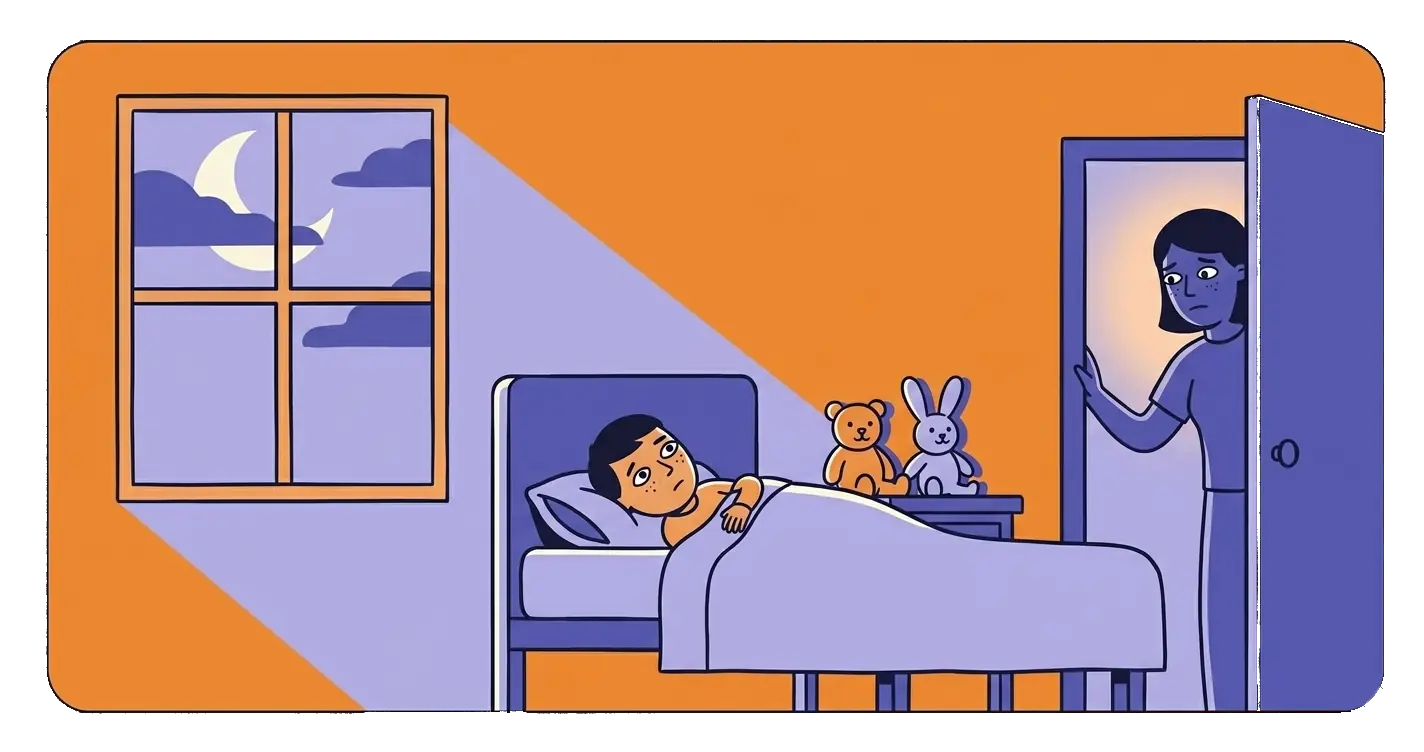
A child who previously slept predictably may suddenly wake more often at night, protest when being put down, or shorten naps. The term “sleep regression” is a popular name for such temporary deterioration, but it is not a medical diagnosis nor a stage that every infant must go through.
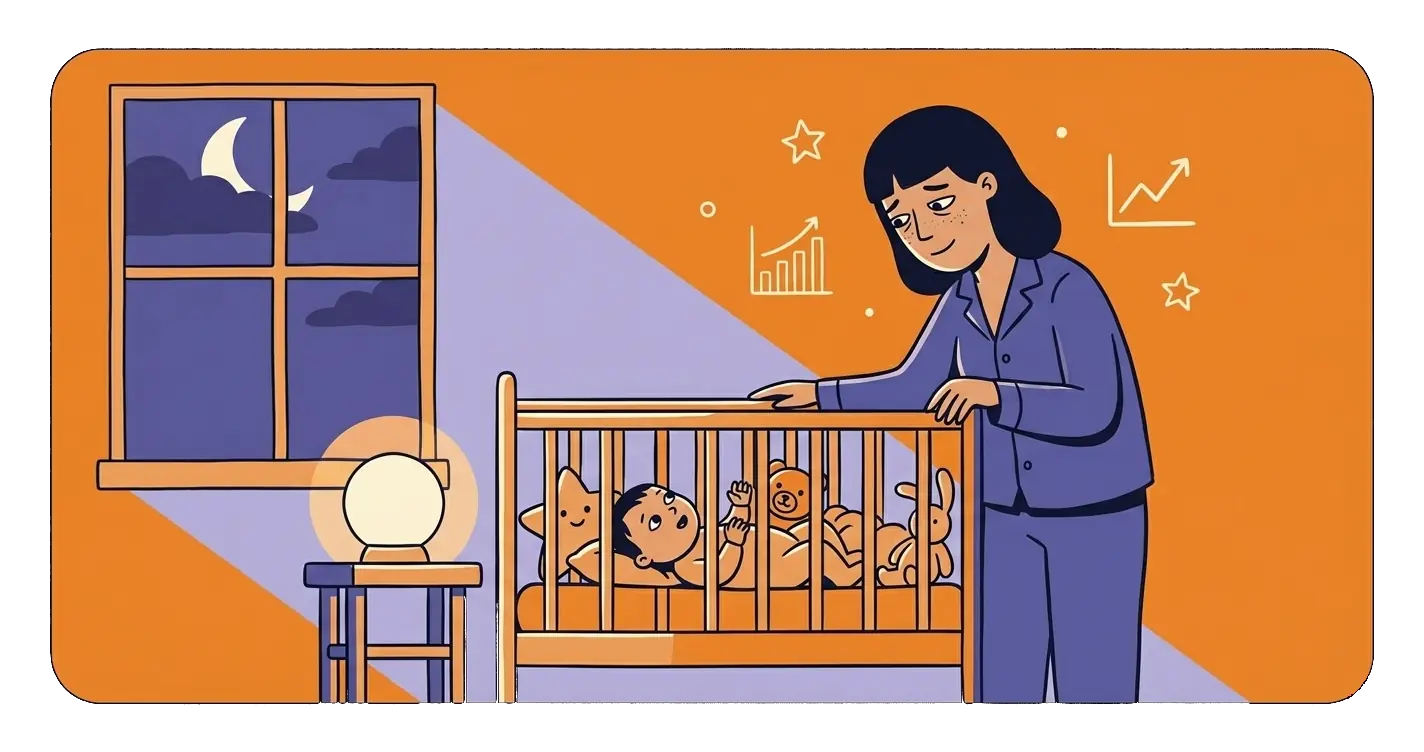
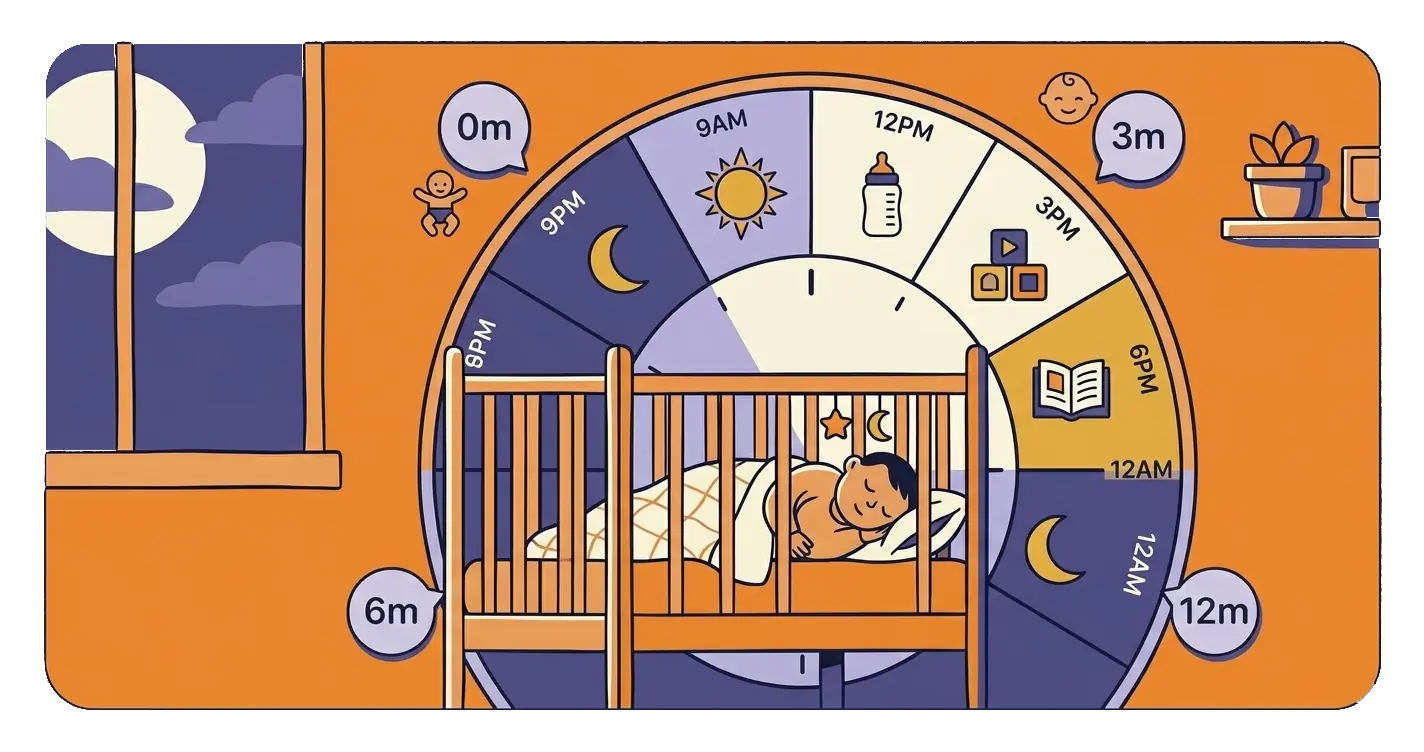
Sleep development in the first year is not linear. Its quality is influenced by factors such as the maturation of the circadian rhythm, new skills, emotions, health, and changes in nap organization [3]. Therefore, one difficult night does not necessarily mean the start of a longer problem.
Around 8-10 months, parents may notice:
- more frequent night wakings and calling for a caregiver,
- crying or tension when being put to bed,
- shorter or more difficult naps,
- an increased need for contact during the day,
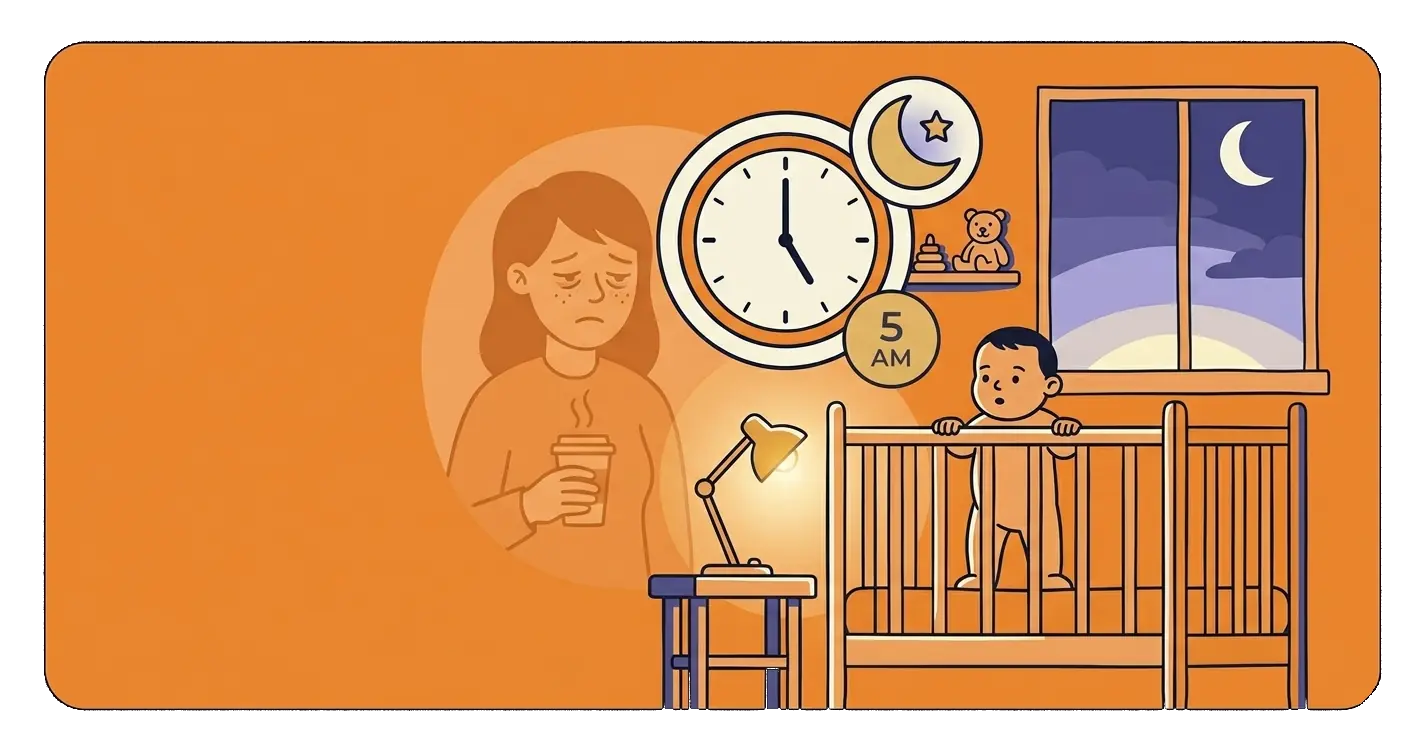
- sitting up, standing, or turning after waking,
- greater irritability towards evening.
Symptoms may fluctuate: after a better night, another more difficult one may follow. Instead of assuming a specific duration, it is worth observing the full picture over several days — sleep, appetite, behavior, and the child's well-being.
Why Is the Child Waking More Often?
There is usually no single cause. More difficult sleep may result from the overlap of the need for closeness, intense motor development, and changing nap needs.
Separation and the Need for Parental Presence
In the second half of the first year, a child increasingly understands that a parent can leave. They may react more strongly to a caregiver leaving the room and, after waking at night, check if the close person is still nearby. This reaction is a common element of emotional development and may temporarily make falling asleep more difficult [1].
The need for closeness does not mean manipulating the parent. At the same time, typical anxiety related to separation should not be automatically equated with an anxiety disorder. Diagnosing a disorder requires assessing the severity, duration, impact of symptoms on daily functioning, and the child's developmental stage [2].
New Motor Skills
An infant may practice sitting, crawling, or standing even in the crib. Sometimes they can pull themselves up on the bars but cannot yet safely get down to sit or lie down. Frustration caused by being stuck in a new position can further wake them up.
During the day, it is worth allowing free movement on a safe surface. It is helpful to practice not only standing but also going down, transitioning to sitting, and lying down calmly. However, walkers should not be used, nor should motor development be forced.
Changing Naps
At this age, some children transition towards two naps, while others still periodically need three. There is no single correct schedule for all infants. Too little daytime sleep can lead to overtiredness, but a nap that is too late or too long can make falling asleep in the evening difficult.
According to AASM recommendations, infants aged 4-12 months usually need a total of 12-16 hours of sleep per day, including naps [4]. This is a broad range — more important than achieving a specific number is the child's well-being, ease of falling asleep, and functioning during the day.
How to Distinguish a Developmental Stage from Illness or an Unsuitable Plan?
Based on one night, it is usually impossible to determine the cause of awakenings. It is worth observing the child for several days and noting sleep times, nap lengths, how they fall asleep, and symptoms occurring during the day.
Influence of the daily rhythm may be indicated by difficulties appearing regularly at similar times, very late falling asleep, gradually shifting morning, or a daily long protest before sleep. On the other hand, a greater need for presence, crying mainly during separation, and night practice of new movements more often accompany developmental changes.
However, not all awakenings should be attributed to teething or “regression.” Fever, cough, nasal congestion making breathing difficult, vomiting, diarrhea, weakness, noticeable pain, or a change in appetite suggest assessing the child's health.
What to Do During Night Wakings?
The most helpful response is calm and predictable. If the child has sat up or stood and cannot return to a comfortable position, you can approach, help them lie down, and use a short, familiar phrase. At night, it is worth limiting bright light, conversation, and play.
- Wait a short moment if the child is calm and may fall back asleep on their own.
- Respond when crying intensifies or the infant needs help changing position.
- Calm in a similar way during subsequent awakenings.
- Check basic needs: hunger, wet diaper, room temperature, and signs of discomfort.
- After calming, return to conditions conducive to falling asleep.
If the child still needs night feeding, do not stop solely due to age. The frequency of feedings depends on factors such as feeding method, growth, and health. Concerns should be discussed with a pediatrician or lactation consultant.
What to Do and What to Avoid?
What Can Help
- Consistent, short routine: winding down, dimming lights, a calm activity, and a similar ending every evening.
- Small plan adjustments: if the child regularly takes a long time to fall asleep, you can shift a chosen element of the day by 10-15 minutes and observe the effect over several days.
- Earlier sleep after poor naps: after an exceptionally tiring day, slightly advancing bedtime can reduce overtiredness.
- Closeness during the day: playing together, contact, and short, predictable separations help the child gradually get used to the parent's absence.
- Safe physical activity: the child should have the opportunity to practice changing positions under adult supervision.
What to Avoid
- changing the schedule, routine, sleep location, and response method all at once,
- keeping a very tired child awake in hopes they will “sleep better at night,”
- stimulating during awakenings with bright light, play, or moving to another room unnecessarily,
- ignoring signs of pain or illness,
- using medications, supplements, or sleep aids without a doctor's recommendation,
- leaving pillows, quilts, bumpers, wedges, nests, and soft toys in the crib.
Safe Sleep Remains Most Important
An infant should be placed to sleep on their back, on a firm, flat mattress in a crib free of loose and soft objects. If the child can turn independently in both directions, there is no need to reposition them from stomach to back throughout the night, but they should always be placed on their back. Safe sleep recommendations apply even when awakenings are frequent and the parent is very tired [5].
If there is a risk of the adult falling asleep while soothing, it is safer to place the child back in their own crib. Falling asleep with an infant on a couch or chair is particularly dangerous.
When to Consult a Doctor or Specialist?
Contact with a pediatrician is advised if sleep deterioration is accompanied by symptoms of illness or difficulties are prolonged and clearly affect the child's or family's functioning.
Urgent medical help is required for:
- breathing difficulties, cyanosis, limpness, or problems waking the child,
- seizures or sudden, noticeable change in consciousness,
- dehydration symptoms like significantly fewer wet diapers, dry mouth, or lack of tears,
- a condition the parent assesses as sudden or threatening the child's safety.
Planned consultation is needed for:
- fever, persistent cough, vomiting, diarrhea, or suspected pain,
- loud, regular snoring, breathing pauses, or gasping during sleep,
- feeding problems, poor weight gain, or a noticeable drop in appetite,
- persistent difficulties over many weeks despite a stable daily rhythm,
- unusual sleepiness, irritability, or loss of previously acquired skills,
- parental exhaustion making safe childcare difficult.
For difficulties mainly concerning sleep organization, consultation with a pediatrician or specialist working in line with safe sleep principles and considering the needs of the whole family may be helpful.
Where to Start Tonight?
There is no need to change the entire plan at once. Start by choosing one or two actions:
- simplified, repeatable routine,
- calm and similar response to awakenings,
- slight adjustment of bedtime if the child is clearly overtired,
- more safe opportunities for movement practice during the day,
- short notes on sleep and well-being over 3-5 days.
Such observations help identify patterns and assess whether difficulties are mainly related to naps, separation, new skills, or health. The goal is not to immediately eliminate all awakenings but to create safe and predictable sleep conditions.
Frequently Asked Questions
Does Every Child Experience an 8-Month Sleep Regression?
No. “Sleep regression” is not a mandatory or strictly defined stage. For some children, changes are noticeable, for others almost imperceptible, and they may also occur earlier or later.
How Long Can Sleep Deterioration Last?
There is no single standard. Difficulties may resolve after a few days or fluctuate for several weeks. If they worsen, persist for a long time, or are accompanied by health symptoms, the child should be consulted with a pediatrician.
Does a Greater Need for Closeness Mean the Child Is “Used to” Being Carried?
Not necessarily. At this age, more frequent seeking of a caregiver may result from emotional development and reaction to separation. You can respond to the need for security while maintaining a calm, predictable routine.
Should We Immediately Switch to Two Naps?
Not solely based on age. It is worth observing if the child regularly refuses one nap, takes a long time to fall asleep in the evening, and functions well with two naps. The change is best introduced gradually.
Is Night Sitting or Standing Dangerous?
Practicing new positions is common, but the crib must be properly prepared. The mattress should be at a suitably low level, and there should be no objects inside that the child can climb on. If they cannot lie down, you can calmly help them change position.
Sources
- HealthyChildren.org, “Separation Anxiety & Sleeping Trouble in Young Children”.
- StatPearls, “Separation Anxiety Disorder”.
- Review of literature on infant sleep development (“Infant Sleep Development”).
- American Academy of Sleep Medicine, “Recommended Amount of Sleep for Pediatric Populations: A Consensus Recommendation”.
- American Academy of Pediatrics / HealthyChildren.org, recommendations for healthy habits and safe infant sleep.