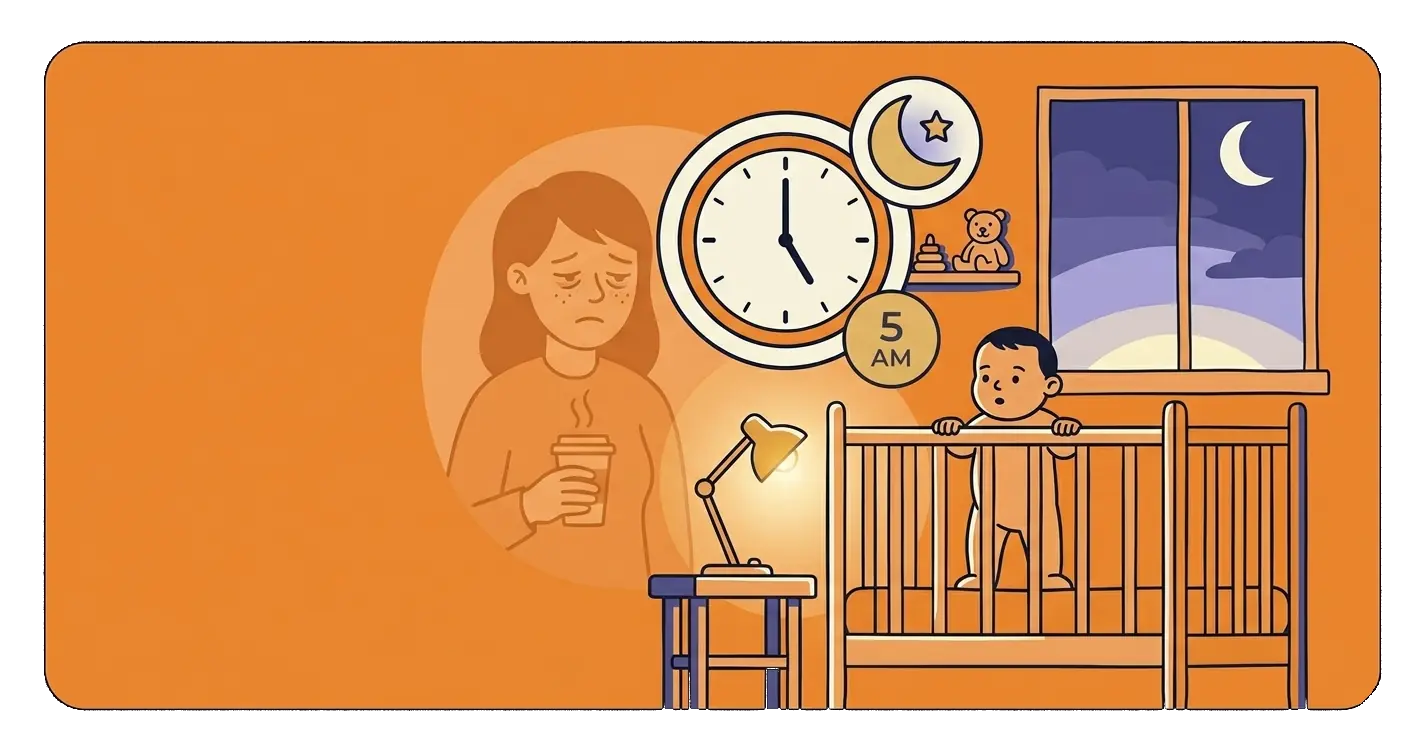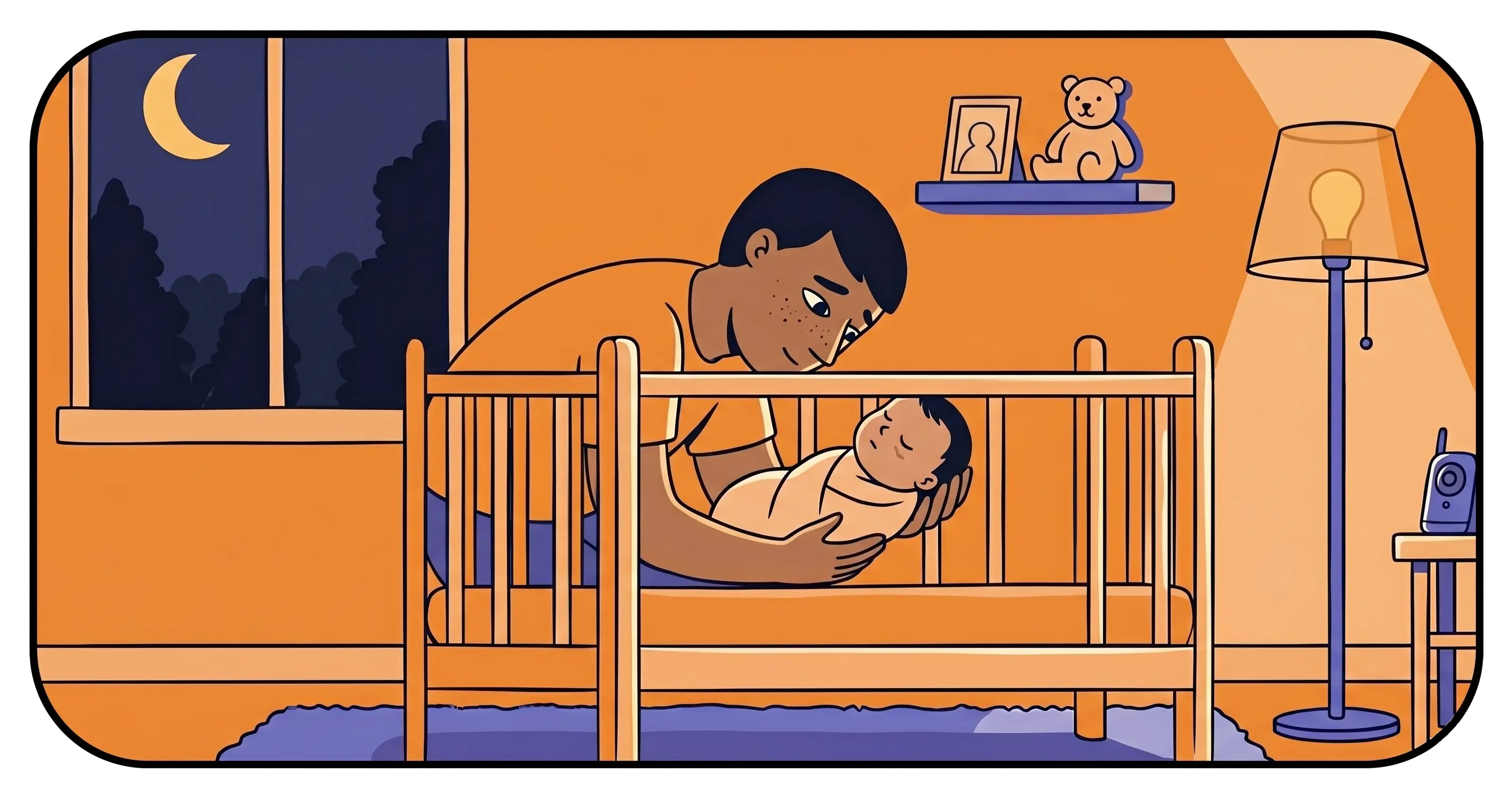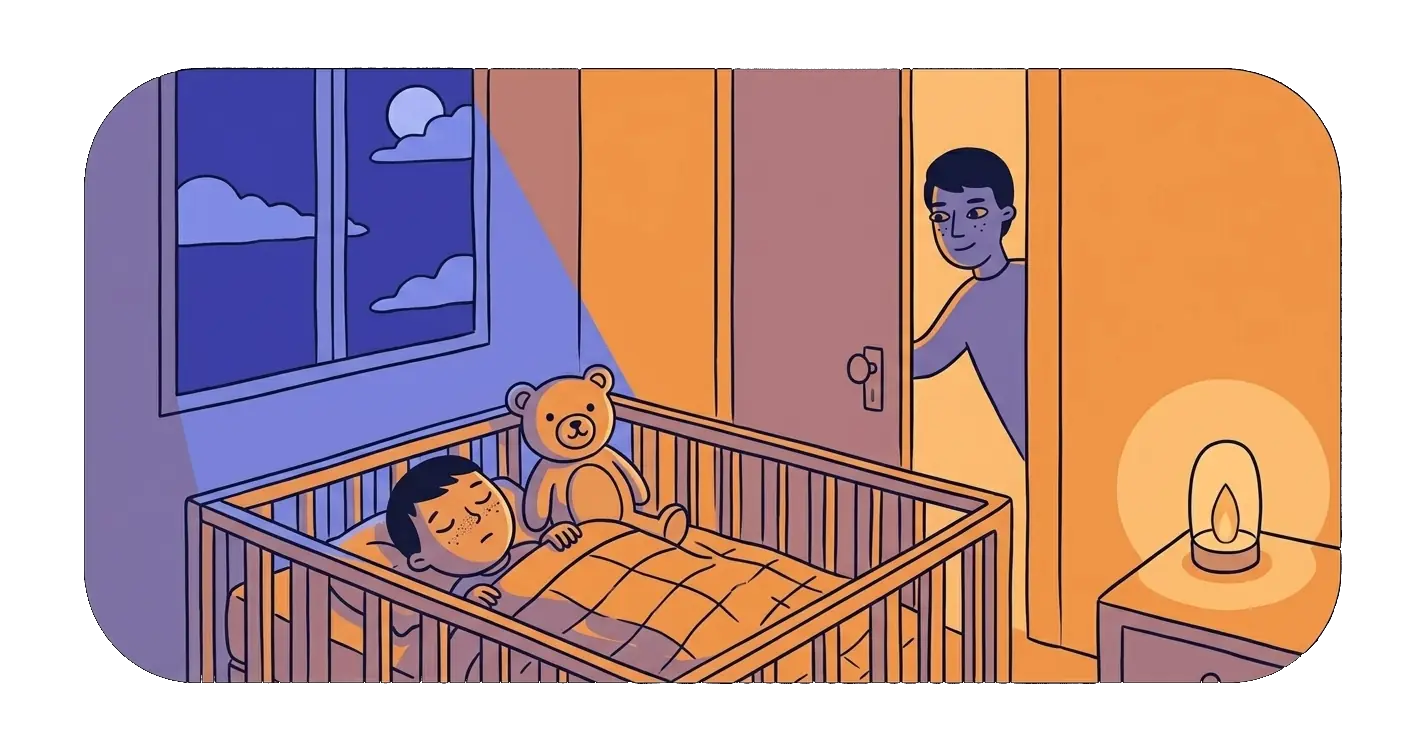
Independent sleep is not a skill every child should master at the same age. It depends on factors such as developmental stage, health, feeding method, temperament, and the readiness of the whole family. For young infants, frequent waking and needing help to fall asleep is natural, while for older children, new sleep habits can be gradually established.
The goal doesn't have to be falling asleep without any support. For one family, progress might mean putting the child in the crib before they are fully asleep, while for another, it could be reducing long periods of carrying or achieving calmer sleep with a parent's presence. It's important to choose solutions tailored to the child without expecting immediate results.
What is Independent Sleep
Independent sleep means a child can transition from wakefulness to sleep without intense assistance, such as prolonged rocking, carrying, or feeding until fully asleep. However, this doesn't mean they must be alone, can't need closeness, or will stop waking at night.
Night awakenings are a physiological part of sleep. The difficulty arises when a child needs the exact same conditions to fall back asleep each time they wake. Sleep associations can contribute to sleep problems and frequent awakenings, but they are not the only possible cause [1].
Factors Affecting a Child's Readiness
Before making changes, consider four areas: age, health, feeding, and the child's behavior. Simply counting months is not enough to assess readiness.
Age and Development
An infant's sleep rhythm matures gradually. A newborn does not yet have a set circadian rhythm, and sleep is closely linked to the need for feeding and regulation with the help of a caregiver. Over time, nighttime sleep periods may lengthen, but the pace of these changes is individual.
Health
Pain, infection, breathing difficulties, reflux requiring medical evaluation, skin itching, or iron deficiency can worsen sleep. In such cases, changing habits does not remove the cause of the problem. Diagnosis and treatment should come first.
Feeding and Weight Gain
For infants, nighttime feedings may still be necessary. Decisions to limit them should not be made solely to extend sleep. Age, feeding method, weight gain, number of daily feedings, and pediatrician recommendations are important. Separating feeding from falling asleep doesn't have to mean giving up nighttime feedings.
Temperament and Reaction to Change
Some children easily adapt to new routine elements, while others need a longer adaptation period and more parental presence. Protest doesn't automatically indicate a lack of readiness, but increasing, difficult-to-soothe crying may suggest the pace of change is too fast or the child is unwell.
Independent Sleep by Age
From Birth to About 3 Months
At this stage, formal sleep training is not recommended. The most important things are feeding according to the child's needs, responding to their signals, supporting the differentiation of day and night, and ensuring safe sleep conditions. A short bedtime routine can be introduced, dimming the lights in the evening, and sometimes placing a calm, sleepy child down before they are fully asleep, but without pressure.
The infant should be placed on their back, on a firm and flat surface, in their own crib or bassinet, without pillows, bumpers, loose bedding, or soft objects. Safe sleep recommendations take precedence over any sleep training method [4].
Around 4–6 Months
For some infants, sleep patterns become more predictable. You can start by organizing sleep times, establishing a consistent routine, and gently reducing one form of assistance. Not every child at this age is ready for a major change, and nighttime feedings may still be necessary.
For example, feeding can end before the last part of the routine, and rocking can be gradually shortened. If the child is not gaining weight properly, has feeding problems, or was born prematurely, it's worth discussing the plan with a pediatrician beforehand.
From 6 to 12 Months
During this period, more regular actions can be considered if the child is healthy, growing well, and has a relatively stable daily rhythm. It's still important to consider feedings and periods of increased need for closeness, such as during infections or heightened separation anxiety.
Research indicates that appropriately chosen behavioral interventions can reduce some difficulties related to falling asleep and night awakenings, but there is no single method effective and suitable for all families [2].
From 1 to 3 Years
For children in this age group, predictability, simple boundaries, and the ability to make small choices are important. The child might decide which book to read, but the order of the routine and the time to end the evening remain constant.
Pay attention to the length and timing of naps. A nap that is too late can make falling asleep difficult, while limiting it too early can lead to overtiredness.
From 4 Years Onward
Preschoolers and older children may more often delay bedtime, fear the dark, need to repeatedly check for a parent's presence, and be stimulated by screens. Clear evening rules, discussing fears during the day, and gradually reducing presence at bedtime can be helpful.
When Not to Start Sleep Training
Changing habits should not be the first step if there is suspicion that sleep is worsening due to a health problem or an unmet need. It's worth postponing the plan and first clarifying the situation when:
- the child is ill, has a fever, is in pain, or is experiencing a noticeable decline in well-being;
- there are feeding difficulties, poor weight gain, or suspicion of dehydration;
- a parent is considering limiting nighttime feedings but hasn't confirmed with a pediatrician if it's safe;
- the child snores loudly, has breathing pauses, or shows significant breathing effort;
- the family is undergoing a major change, such as moving, starting daycare, or the arrival of a sibling;
- the caregiver is so exhausted that it's difficult to safely and calmly implement the plan;
- the child was born prematurely or has a chronic illness requiring individual recommendations.
In such situations, the priority is health, feeding, safety, and regaining relative stability. Work on sleep can be resumed later.
How to Prepare Conditions for Calmer Sleep
Establish a Flexible Daily Rhythm
A minute-by-minute plan is not necessary. However, a similar wake-up time, age-appropriate naps, and a consistent time to start winding down in the evening help. Regular sleep habits support the circadian rhythm and make it easier for the child to predict upcoming events [3].
There is no universal bedtime. The time should consider the child's age, naps, morning wake-up time, and signs of sleepiness. Both putting to bed too early and overtiredness can prolong falling asleep.
Introduce a Short Routine
The routine can last about 20–40 minutes and consist of several repetitive activities:
- washing or a bath if it has a calming effect;
- pajamas and dimming the lights;
- feeding or a light age-appropriate dinner;
- a book, lullaby, or quiet conversation;
- a cuddle and placing in a safe sleep space.
If the goal is to separate feeding from falling asleep, feeding can be gradually moved to an earlier stage of the routine. This change doesn't need to be abrupt.
Limit Stimulating Stimuli
Before bed, it's helpful to reduce light intensity, noise, and vigorous play. Screens can make winding down difficult, especially for older children, so it's best not to include them in the evening routine.
Gentle Step-by-Step Plan
Step 1: Set One Realistic Goal
Instead of changing the entire evening, choose one element, such as shortening rocking, ending feeding before sleep, or moving from lying next to the child to sitting by the bed.
Step 2: Choose a Calm Way to Support
You can use your voice, brief touch, cuddling, or presence by the bed. The level of assistance should be enough for the child to regulate themselves but gradually less than before.
Step 3: Reduce Help in Small Stages
If the child falls asleep during intense rocking, first reduce the movement's speed. Then try stopping the rocking before full sleep. The next step might be calming in your arms without movement, and only then placing in the crib.
The pace should be adjusted to the child's reaction. There is no obligation to move to the next stage after a set number of days.
Step 4: Respond in a Predictable Way
In case of protest, use the same short phrase, such as: "I'm here, now it's time to sleep". A calm, consistent response each evening is clearer for the child than frequently changing the rules.
Step 5: Observe the Trend, Not a Single Night
Note the times of naps, the start of the routine, falling asleep, awakenings, and feedings over several days. This makes it easier to see if the problem is the bedtime, the pace of changes, or a mismatch of the method. Sleep problems and night awakenings can have several co-occurring causes, so sometimes the entire plan needs adjusting, not just the way of putting down [5].
Methods for Gradually Reducing Assistance
Gradual Withdrawal of Presence
The parent initially stays close to the bed and then gradually increases the distance. They might first stop lying next to the child, then sit by the bed, and then move the chair towards the door. This method can be suitable for children who need to see the caregiver but requires patience and consistency.
Fading Assistance
This involves gradually reducing the intensity of a known way of putting to sleep. You can carry for a shorter time, rock more slowly, end feeding earlier, or limit continuous touch. The change should be small enough for the parent to maintain it even during a more challenging evening.
Shifting Bedtime
If a child regularly lies awake for a long time, sometimes temporarily aligning the bedtime with the actual sleep time and then carefully shifting it can help. This requires observation and maintaining a consistent morning wake-up time. For very intense difficulties, it's worth discussing this strategy with a specialist.
How to Respond to Crying and Night Awakenings
Crying is a communicative signal. It can indicate opposition to change, but also hunger, pain, fear, overtiredness, or a need for closeness. Before continuing the plan, check the child's basic needs and assess whether any symptoms of illness have appeared.
If the child is healthy, you can stay with them, speak calmly, touch them, or briefly cuddle. You don't have to ignore crying to gradually change the way of falling asleep. If the protest increases, the child cannot calm down, or the parent feels the situation exceeds their capabilities, it's necessary to increase support and consider a slower pace.
During night awakenings, first consider age-appropriate feeding and pediatrician recommendations. Then respond similarly to bedtime, keeping the light dim and contact calm.
Common Difficulties When Implementing Changes
- Too many changes at once: suddenly stopping feeding to sleep, rocking, and parental presence can be too overwhelming for the child.
- Inappropriate bedtime: too little sleep pressure or overtiredness can intensify protest.
- Inconsistency between caregivers: it's worth agreeing on the order of the routine and the way of responding beforehand.
- Overlooking nutritional needs: limiting nighttime feedings without assessing age, health, and weight gain can be dangerous.
- Expecting quick results: a child's reaction can change from day to day, especially during teething, infections, and developmental leaps.
- Comparing children: what helped a sibling or another infant may not meet the specific child's needs.
When to Consult a Doctor or Specialist
Contact a pediatrician if sleep problems are sudden, severe, or accompanied by symptoms that may indicate a health issue. Special attention is required for:
- breathing pauses, blueness, shortness of breath, or significant breathing effort;
- loud, regular snoring or mainly mouth breathing;
- pain, frequent crying when lying down, persistent vomiting, or swallowing difficulties;
- poor weight gain, significantly fewer wet diapers, or feeding difficulties;
- significant daytime sleepiness, difficulty waking, or sudden behavior changes;
- frequent, unusual movements, episodes of loss of contact, or suspected seizures;
- persistent sleep problems despite organizing the rhythm and affecting the child's or family's functioning.
In cases of apnea, blueness, serious breathing difficulties, or problems waking the child, urgent medical help is needed.
Frequently Asked Questions
Does a child have to learn to fall asleep without a parent?
No. Independent sleep is not a requirement or a condition for proper development. Change can be considered if the current method no longer meets the child's or family's needs. A parent's presence can remain part of the routine.
Is feeding to sleep a bad habit?
It's not inherently wrong, especially for small infants. However, it can become challenging for the family if it's the only way to fall asleep and must be repeated at every awakening. In that case, feeding can be gradually moved to an earlier part of the evening without automatically stopping necessary nighttime feedings.
At what age can you start teaching independent sleep?
There is no single age appropriate for all children. In the first months of life, the most important things are responding to needs, feeding, and safe sleep. For an older infant, gradual changes can be considered if they are healthy, gaining weight properly, and showing a more predictable sleep rhythm.
How soon should results appear?
There is no guaranteed timeline. Some families notice small changes after a few days, others need a few weeks or plan adjustments. Progress might mean shorter rocking, calmer putting down, or less parental help, not immediately fully independent sleep.
Can a child cry during sleep training?
Protest during change may occur, but it shouldn't be automatically ignored. A parent can respond with voice, touch, and presence. If the crying is unusual, increases, or it's hard to soothe the child, it's necessary to check their needs, health, and the pace of changes.
Conclusion
Independent sleep should be viewed as a gradually developed possibility, not an obligation tied to a specific age. Before starting changes, consider the child's health, feeding, development, and temperament. It's safest to begin by organizing the daily rhythm, a short routine, and changing one element of assistance at a time.
If the situation is complex, gathering information about sleep, naps, feeding, and night awakenings can be helpful. The Child Sleep Assessment Form allows you to organize this data and choose the next steps based on your answers and expert knowledge.
Sources
- Review: Behavioral insomnia in infants.
- AASM: review of behavioral methods for treating sleep problems.
- American Academy of Pediatrics: Healthy Sleep Habits.
- American Academy of Pediatrics: guidelines for safe infant sleep.
- Review: sleep onset and night awakenings in children.