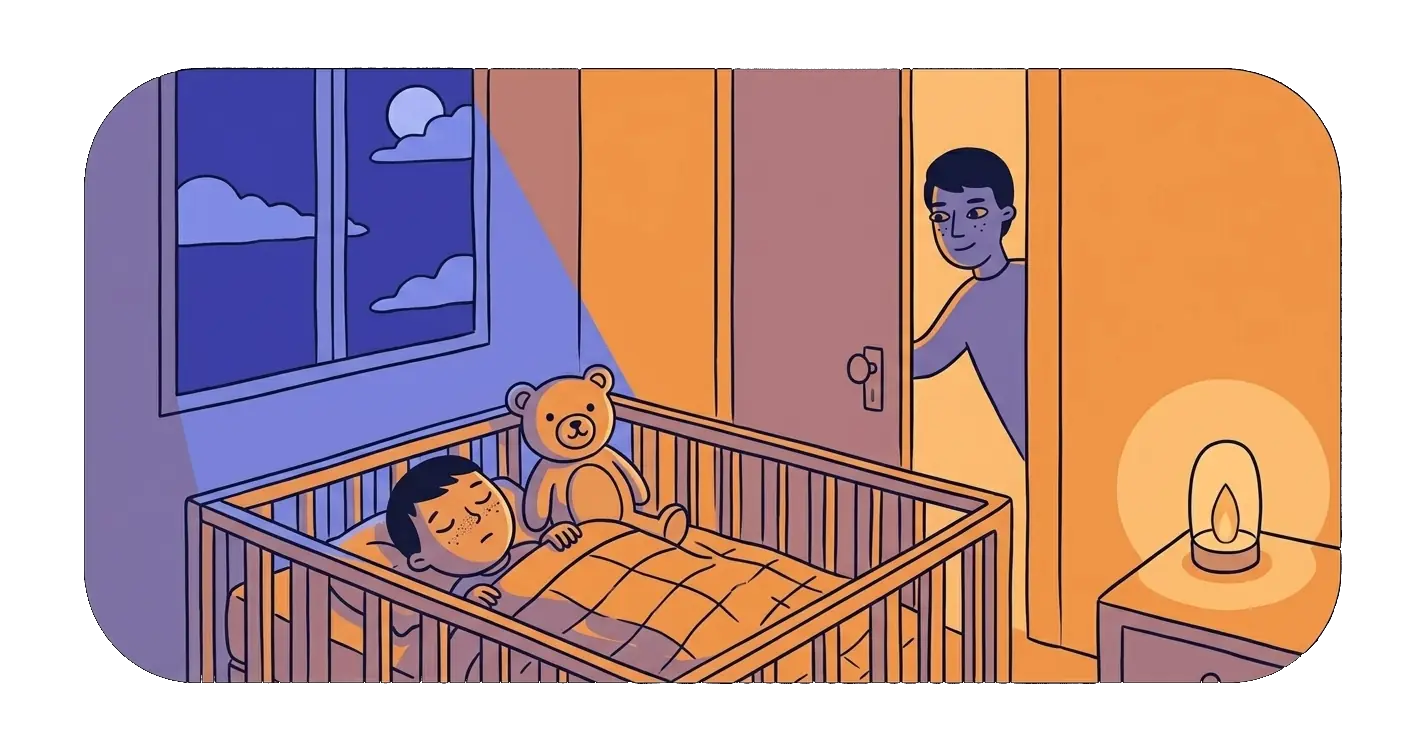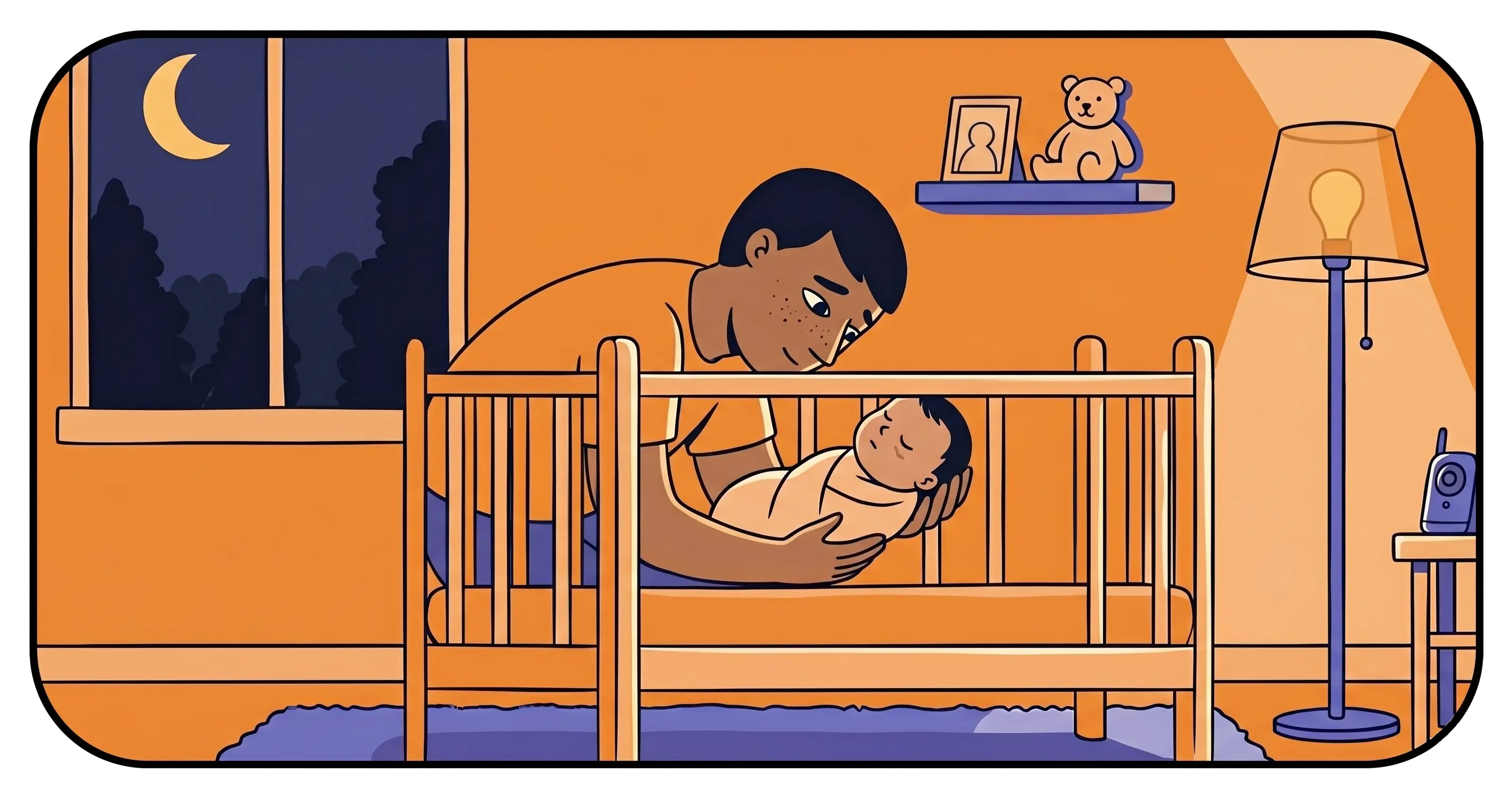
Difficulty falling asleep and frequent night awakenings can be very taxing for the whole family. The term “sleep training” encompasses a variety of approaches — from organizing daily routines and gradually reducing assistance to methods that involve leaving the child without a parent's presence.
There is no single method suitable for all children. Before making a decision, consider the child's age, feeding method, health status, developmental stage, temperament, and family capabilities. Sleep training is not a requirement or a condition for proper development.
What is child sleep training?
Sleep training refers to behavioral interventions aimed at helping a child fall asleep or return to sleep after natural awakenings. It does not necessarily mean leaving the child alone or ignoring their needs.
Sleep problems can have various causes. Sometimes they are related to an established way of falling asleep, but they can also result from hunger, pain, illness, inappropriate daily rhythm, or developmental changes. Night awakenings are a physiological part of sleep — what matters most is whether the child can fall back asleep and whether the situation significantly burdens their functioning or the family's health.
What is known about the effectiveness of behavioral methods?
Research reviews indicate that behavioral interventions can reduce resistance to sleep, shorten the time to fall asleep, and decrease the number of parent-reported night awakenings [1]. Benefits have been observed with gradual intervals, fading with parental presence, established rituals, and appropriate sleep timing [2].
However, this does not mean that every method works for every child. Studies vary in participant age, definition of sleep problems, and intervention methods. Results often rely on diaries and parental assessments, and data on very young infants and long-term effects are more limited. Available reviews do not suggest that properly chosen behavioral interventions for healthy, older infants and young children cause typical long-term emotional harm, but this does not mean every method is suitable in every situation [3].
A realistic goal is not always sleeping through the night. Improvement may mean shorter time to fall asleep, a calmer evening routine, less need for intense assistance, or easier return to sleep.
Who should not start with this topic?
Changing the way a child falls asleep should not be the first step if there is suspicion that the child wakes due to unmet needs, illness, or pain. First, ensure age-appropriate feeding and assess the child's health.
Sleep training is not the right starting point when the child:
- is a newborn or young infant still needing frequent feedings and help with regulation;
- has feeding difficulties or insufficient weight gain;
- is ill, has a fever, pain, or clearly feels unwell;
- has severe reflux symptoms, breathing problems, chronic cough, or persistent itching;
- is undergoing a significant change, such as hospitalization, moving, or starting out-of-home care;
- has special developmental needs or a chronic illness requiring individual recommendations.
In the first months of life, safe sleep conditions, appropriate feeding, observing signs of fatigue, and a calm, repetitive routine are usually more important. There is no single age limit at which every child is ready for intervention. Most studies on more structured methods involve older infants and young children.
Main methods of supporting sleep
Evening routine and sleep hygiene
A consistent, short ritual helps the child anticipate sleep. It may include washing, putting on pajamas, feeding, cuddling, a book, or a lullaby. Regularity is more important than an elaborate plan.
It's also important to ensure age-appropriate naps and avoid both too late bedtimes and intentional overtiring. Recommendations for healthy sleep habits emphasize regularity and a safe resting place [5]. Infants should be placed on their backs, on a firm and flat surface, without pillows, loose bedding, bumpers, or soft objects.
Fading, or gradually reducing assistance
The parent slowly decreases the intensity of the existing assistance. For example, rocking can be gradually shortened, then replaced with cuddling, touch, or a calm voice. The pace of changes should be adjusted to the child's reactions and the family's capabilities.
A variation of this method is bedtime fading, which involves temporarily adjusting the bedtime to when the child usually falls asleep easily, then gradually moving sleep to an earlier time.
Parental presence, or camping out
The parent stays in the room but gradually reduces contact and moves away from the crib. Initially, they may soothe the child with voice or touch, and in subsequent days provide mainly calm presence. This method usually requires more time than approaches that limit presence from the first evening.
Pick up/put down
In the method known as pick up/put down, the parent picks up a strongly crying child, soothes them, and puts them down before they fall asleep. Steps may be repeated multiple times. This approach provides active parental response but can be tiring, and its procedures are less uniform than in better-studied interventions.
Gradual intervals
After the evening routine, the parent leaves the room and returns at set intervals to briefly and calmly soothe the child. This method is called gradual fading or controlled comforting. It does not mean ignoring signs of illness, pain, hunger, or danger.
Full extinction, or cry it out
In the version without gradual intervals, the parent does not return after the routine in response to sleep-related protest unless a signal requiring intervention appears. This approach is the most controversial, as it may involve intense crying and significant emotional strain on the family.
Research on behavioral interventions also includes extinction methods, but does not justify using them without assessing the child's age, health, and needs. The plan should not be continued at all costs. If the child's reaction is very intense, parents cannot maintain the established rules, or signs of discomfort appear, the intervention can be stopped and a more gradual solution chosen.
How to choose the right approach?
The choice should consider not only potential effectiveness but also the acceptability of the method. Reviews on behavioral insomnia in infants and young children emphasize that the approach should be tailored to the type of difficulty, the child's age, and the family's situation [4].
Before starting, it's worth answering a few questions:
- Is the child healthy, growing well, and receiving appropriate feeding?
- Are nap and nighttime sleep times adjusted to their age?
- What level of crying and form of response can parents accept?
- Can caregivers follow a similar schedule for several consecutive days?
- How will improvement be recognized, and in what situation will the plan be stopped?
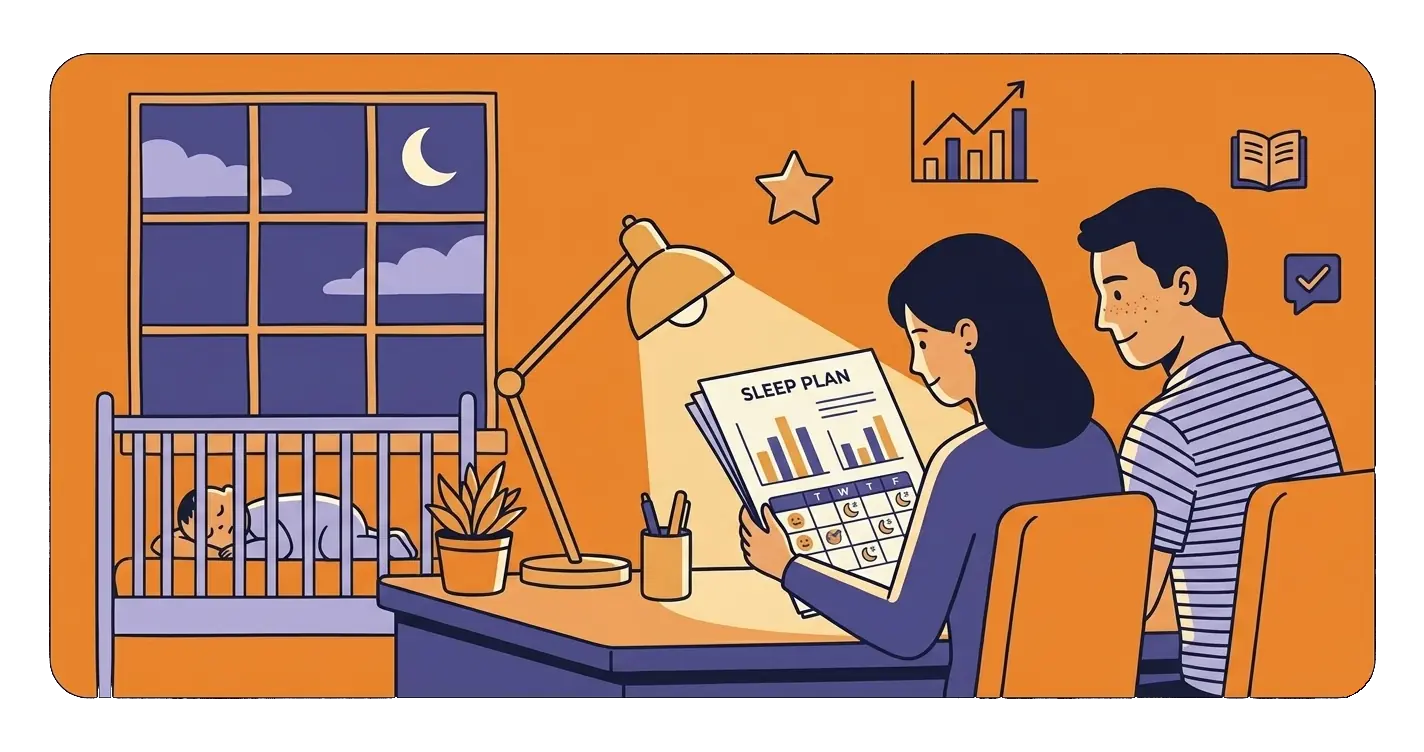
A simple diary including bedtime, approximate sleep time, awakenings, feedings, and naps can be helpful. It allows assessing trends over several days instead of a single, exceptionally good or difficult night.
A gentle plan for implementing changes
- Observe the sleep rhythm for a few days and record typical sleep and wake times.
- Ensure the child's physiological needs, a calm environment, and a safe sleep place.
- Introduce a simple routine performed every evening in a similar order.
- Choose one form of support, such as voice, touch, or presence next to the crib.
- Gradually reduce assistance only when the child is healthy and the family tolerates the change well.
- Assess the entire process, not just the number of minutes of crying or one night.
There is no guaranteed time for improvement. Some families notice changes in the first week, others need several weeks. Infection, teething, travel, or an intense developmental stage can temporarily worsen sleep without negating previous progress.
When to consult a doctor or specialist?
Pediatric consultation is recommended before starting an intervention or independently if any of the following symptoms occur:
- apneas, cyanosis, choking, or noticeable breathing difficulties during sleep;
- loud, regular snoring combined with restless sleep or breathing pauses;
- feeding problems, frequent vomiting, signs of dehydration, or poor weight gain;
- fever, persistent cough, pain, severe itching, or other signs of illness;
- unusual drowsiness, difficulty waking up, or a noticeable change in the child's behavior;
- frequent awakenings combined with arching, screaming, or other pain signals;
- extreme caregiver exhaustion, deterioration of mental health, or risk of falling asleep with the child in a dangerous place, such as on a couch.
If the problem persists despite addressing the basics, it's worth discussing it with a pediatrician. Depending on the symptoms, an ENT, neurological, gastroenterological, psychological consultation, or sleep disorder clinic may be helpful.
Frequently Asked Questions
Does every child need to learn to fall asleep without help?
No. Falling asleep independently is not a test of proper development or parenting quality. Some families prefer supporting the child until they fall asleep. Change makes sense when the current method no longer serves the child or caregivers.
Are night feedings a bad habit?
No. The need for night feedings depends on factors such as age, feeding method, health status, and growth rate. They should not be limited solely to implement sleep training. If in doubt, it's worth discussing the decision with a pediatrician or feeding support person.
Is cry it out the only effective method?
No. Studies describe the effectiveness of various interventions, including routines, gradual reduction of assistance, parental presence, and gradual intervals. The method should be acceptable and safe for the family to use.
Does crying mean the plan is harming the child?
Crying is a way of communicating discomfort and protest, so it requires careful assessment. A short protest when changing routines does not necessarily indicate harm, but intense or unusual crying should not be automatically considered related solely to falling asleep. Check for hunger, pain, illness, ambient temperature, and other needs.
How soon can results be assessed?
There is no universal timeframe. Initial changes may appear after a few days, while gentle approaches often require several weeks. If the child sleeps worse, is noticeably more irritable, or no positive trend is seen after 1–2 weeks, it's worth reassessing the daily rhythm, chosen method, and possible health causes.
Summary
Sleep training is a collective term for many methods, not one mandatory scheme. Behavioral interventions can help with difficulties falling asleep and night awakenings, but their results vary, and studies have limitations.
The safest start is to assess health, feeding, daily rhythm, sleep conditions, and family capabilities. Then choose the least intensive method that meets the child's needs and can be consistently applied. If signs of illness, pain, or breathing disorders appear, the first step should be medical consultation, not changing the child's behavior.
Sources
- Behavioral interventions for infant sleep problems — a review of behavioral interventions for infant sleep problems.
- AASM review of behavioral sleep treatments — a review of behavioral sleep treatment methods prepared by the American Academy of Sleep Medicine.
- Bedtime problems and night wakings in children — a review of bedtime problems and night awakenings in children.
- Behavioral insomnia in infants and young children — a review of behavioral insomnia in infants and young children.
- American Academy of Pediatrics, Healthy Sleep Habits — materials on healthy and safe sleep habits.