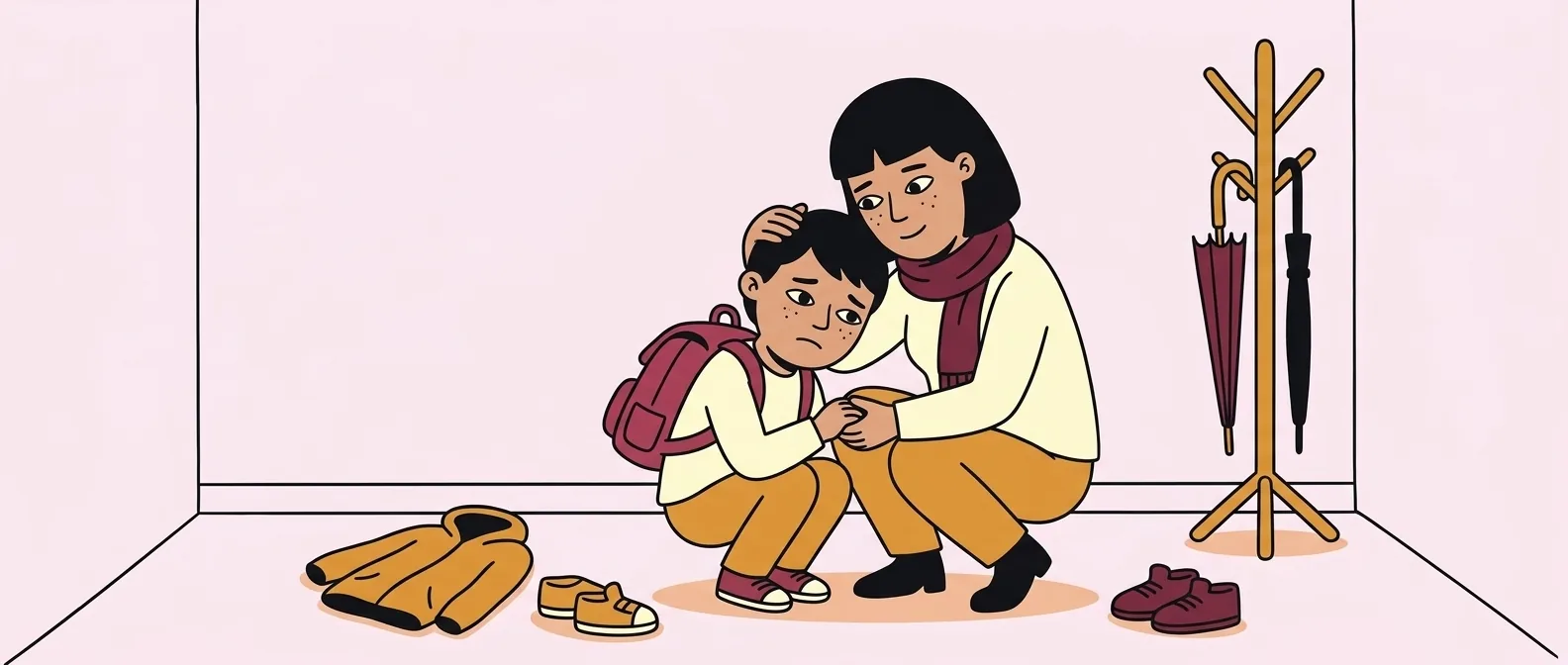
You pick your child up from preschool and hear that everything went well. A moment later, by the coat hooks, they start crying, refuse to put on their jacket or get upset about something that usually is not a problem. This change can be exhausting and simply hard to understand.
The fact that your child manages well in a group but reacts strongly after coming home does not mean they are trying to make things difficult for you. After a full day, they may no longer have the energy for more requests, noise, changes of plan or waiting. At home, emotions often come out more clearly because your child no longer has to hold themselves together so much.
In practice, it can help to treat an afternoon meltdown as a signal: something that day was too difficult, too long or too intense for your child. Sometimes it is hunger, sometimes tiredness, and sometimes an experience they do not yet know how to talk about.
What may be happening for your child after a full day at preschool?
Preschool is much more than play. For several hours, your child is around other people, follows instructions, waits their turn, moves from one activity to another and manages in a noisier environment. Even if they do this calmly, the day can still be demanding for them.
After pickup, your child may not be able to say, “I’m tired,” “It was too loud,” or “I had an argument with someone while playing.” Instead, they may cry, refuse to cooperate, shout or react strongly to a small limit. This is a form of communication that can be difficult for a parent, but it often says more about overwhelm than bad intentions.
At home, your child may also seek connection more intensely. One child may want to be carried, another may pull away, and another may start arguments over every small detail. Each of these reactions can mean they need a moment to shift from the rhythm of preschool to being at home.
Common reasons for tension after pickup
In the afternoon, several small things can pile up. Your child does not need to experience one major problem to react very intensely. Sometimes a poor night’s sleep, an unfinished meal and a stop at the shops on the way home are enough.
It is worth checking whether any of the following may be involved:
- hunger or thirst;
- tiredness after a short sleep or a long day;
- noise and sensory overload;
- a conflict with another child;
- difficulty with the morning separation;
- more errands immediately after leaving preschool.
You do not need to identify one single cause right away. It is better to notice for a few days what repeats: whether things are harder after a later pickup, after shopping, following poor sleep or on days with extra activities.
Hunger, tiredness and sensory overload—how can you tell what your child needs?
Parents often wonder whether their child is hungry, tired or simply upset after preschool. Most often, the answer is: a bit of everything at once. Young children cannot always separate these feelings or put them into words.
Rather than focusing only on behaviour, try looking at basic needs. Did your child have time to eat calmly? Did they drink water? Have they had a lot of noise, changes and social interaction since the morning? These questions often bring more clarity than trying to find the perfect answer.
When hunger or thirst may be the problem
A hungry child may suddenly refuse to cooperate, cry while getting dressed or respond angrily to an ordinary question. Tension can build especially when the journey home is long and their last meal was several hours ago.
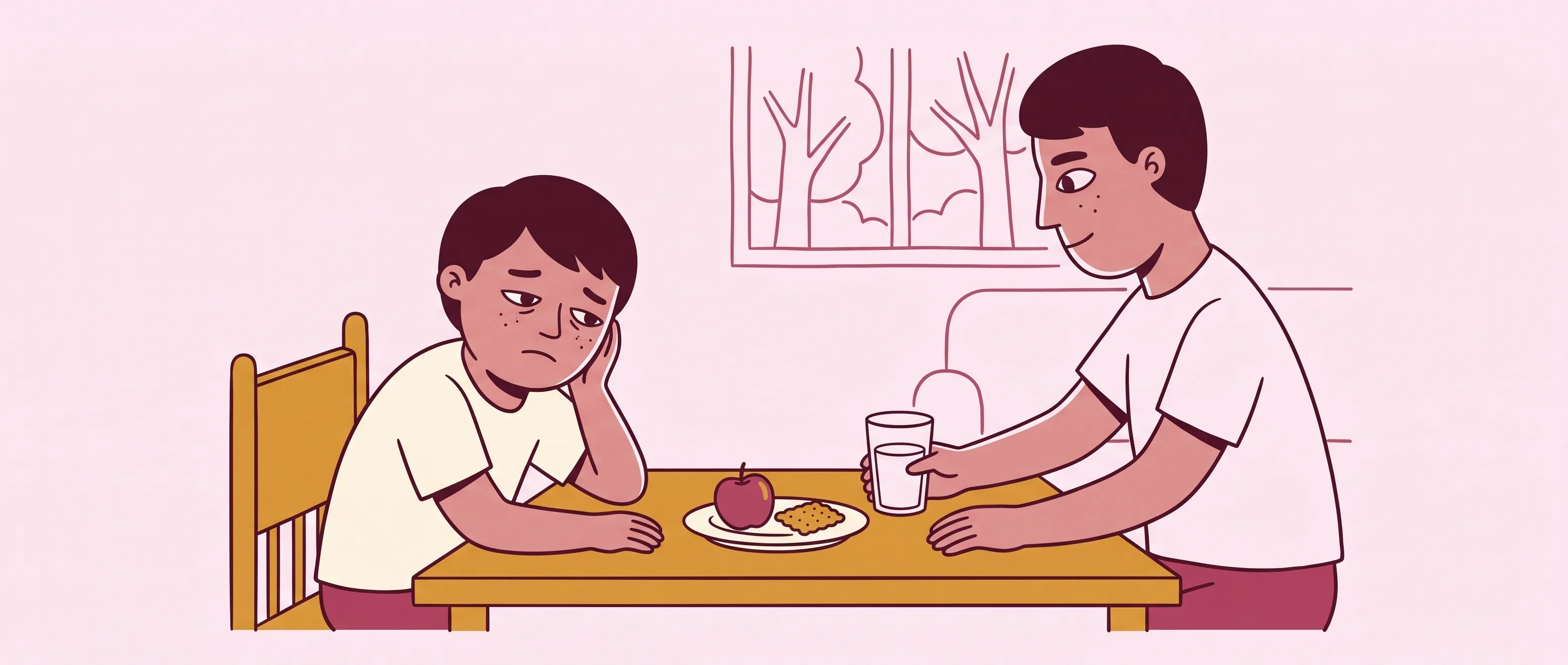
After pickup, it can help to have water and a small, familiar snack on hand. This could be a sandwich, yoghurt, fruit, rice cakes or a piece of bread—without pressure to finish everything. If your child noticeably settles after eating, you have a practical clue for the coming days.
When your child is simply very tired
Tiredness does not always look like sleepiness. Your child may become loud, hyperactive, tearful or especially stubborn. Sometimes the most exhausting thing is a simple transition: leaving the classroom, putting on shoes, getting into the car or giving up a trip to the playground.
On these days, do not plan too much immediately after preschool. If you can, go straight home and save shopping or visits for another time. Even 20 minutes of calmer time can reduce the number of difficult moments.
When your child has had enough of noise and social contact
Some children need quiet after leaving preschool. They may not want to answer questions, pull away from a hug or become irritated by sounds that do not usually bother them. This does not have to mean they do not want connection with you—sometimes it simply means they need a break from further stimulation.
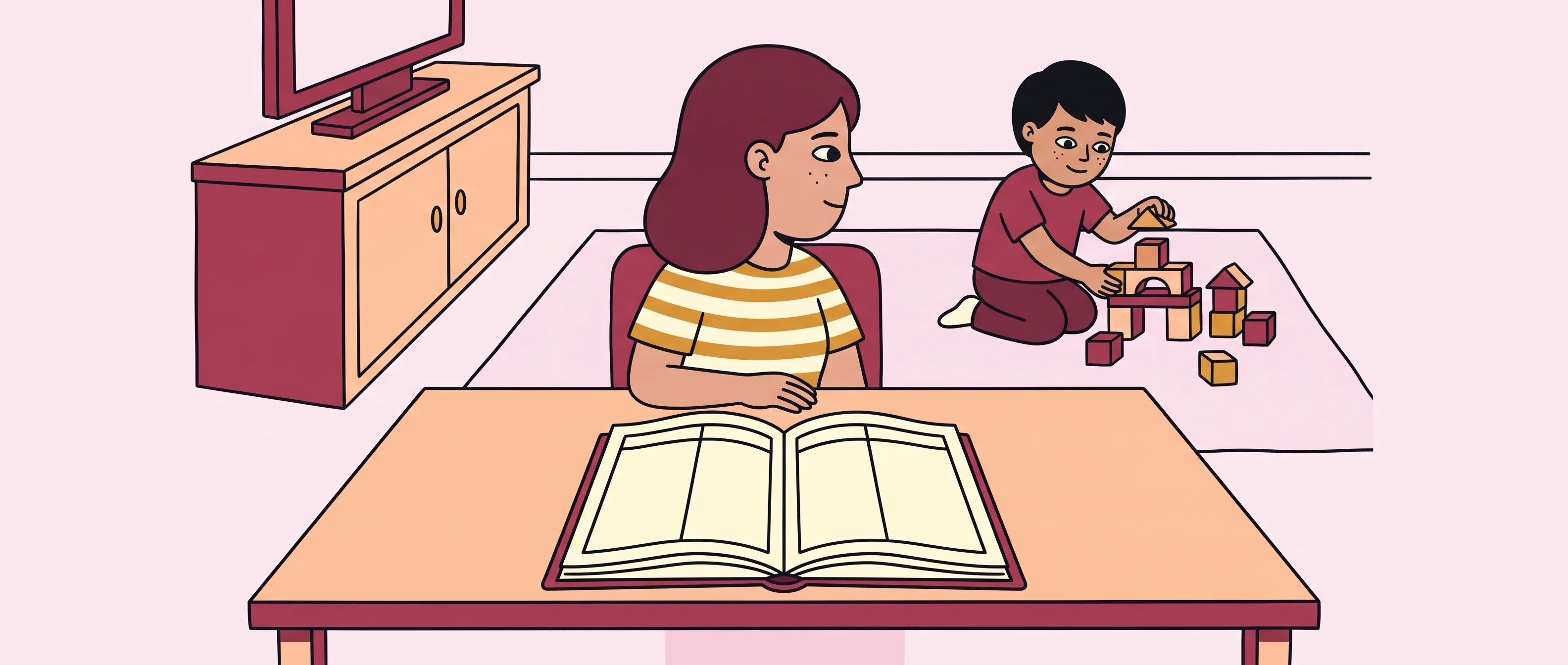
You can offer a calm journey home, without music or forced conversation. Once home, quiet play, building blocks, drawing or simply sitting beside each other can work well. Give your child a little time before asking about the details of their day.
Could relationships and separation be the cause?
Sometimes tension after preschool is connected to what your child experiences in the group. It does not have to be anything very serious. For a young child, even a brief disagreement, not being included in a game, a change of who sits next to them at the table or missing a parent can matter.
Not every child will talk about this immediately after leaving the classroom. Many children first need to rest, eat or play in their own way. Only later, during bath time, dinner or while playing with small figures, may they share a few words about what was difficult.
Signs worth paying attention to
A one-off cry after pickup usually does not tell you much yet. However, it is worth noticing when certain reactions return regularly—especially if your child starts finding preschool difficult in the morning or evening too.
Notice whether there is:
- strong protest before going into the classroom;
- clear tension already the evening before;
- frequent questions about whether you will definitely come back for them;
- talking about avoiding a particular child;
- stomach aches, nausea or more difficult sleep mainly on preschool days;
- clinging to you intensely for a long time after coming home.
These signs are not a diagnosis or a ready-made answer. They can, however, suggest that it is worth gently asking about the day and considering whether your child needs extra support.
How can you talk without making it feel like an interrogation?
Right after pickup, the question “How was preschool?” often ends with a short “Fine.” Your child may simply be too tired at that point to revisit everything that happened during the day. That does not mean they are hiding something.
It is better to choose a later, calmer moment and ask one simple question. You might ask, “What was the best part of your day?”, “What was hard?” or “Who did you play near today?” Drawing, playing with stuffed animals or acting out situations with figures can also be helpful.
If something worries you, speak with the teacher about specific parts of the day. Ask about meals, rest time, transitions between activities, play with other children and the morning separation. This kind of conversation offers more than a general reassurance that your child was calm.
A plan for after preschool: the first 20–30 minutes and the rest of the afternoon
After pickup, limit extra stops and questions about the whole day. A straightforward trip home, a calm welcome, water and a small snack can make the transition from preschool to home easier, although they may not prevent every meltdown.
The first 5–10 minutes at home
Start with a brief welcome, a toilet break or handwashing, and a moment without new requests. Your child can choose a hug, conversation or quiet.
From 10 to 30 minutes
Offer water and a familiar snack. Then leave room for quiet play, closeness or safe physical activity, depending on what your child is open to that day.
After the first 30 minutes
Return to a familiar, predictable afternoon sequence: a meal, rest or free play, and only then other plans. If tension remains high, limit further requests and save the conversation about difficult behaviour for a calmer moment.
Routines for younger and older preschoolers
A child aged 18–36 months often needs simplicity above all. A long day can be difficult for them, even if they cannot yet show it in words. After coming home, short, familiar activities and few expectations tend to work well.
For a younger child, you can prepare:
- a calm journey home without extra stops;
- water and a small meal as soon as you get in;
- closeness if they want it: a hug, being carried or sitting beside you;
- play without instructions;
- an earlier start to the evening routine on a more tiring day.
Older children, roughly between the ages of 3 and 6, may benefit more often from a simple choice. You can ask, “Would you rather eat first or lie down for a while?” or “Would you like to play alone or together?” Two calm options are easier than the broad question, “What do you want to do?”
If afternoons are especially difficult, consider reducing extra activities for a few days. Crowded places, visits and long outings can wait when your child clearly has no energy left. A screen may distract them temporarily, but it cannot replace rest, food, sleep or connection with a close adult.
What should you do during a meltdown?
During intense emotions, children are usually not ready for long explanations. The most important things are safety and calmly bringing the situation to a stop. You do not need to find the perfect words or make your child calm down immediately.
If your child throws objects, hits, kicks or bites, move away anything that could hurt someone. Keep them at a distance from siblings and other people. You can say briefly: “I won’t let you hit. I’m going to stop you so everyone stays safe.”
Physical restraint makes sense only when your child may hurt themselves or someone nearby. It should be as brief and gentle as possible, only until safety is restored. Do not use it as a punishment or in response to crying or protesting alone.
Phrases that may help
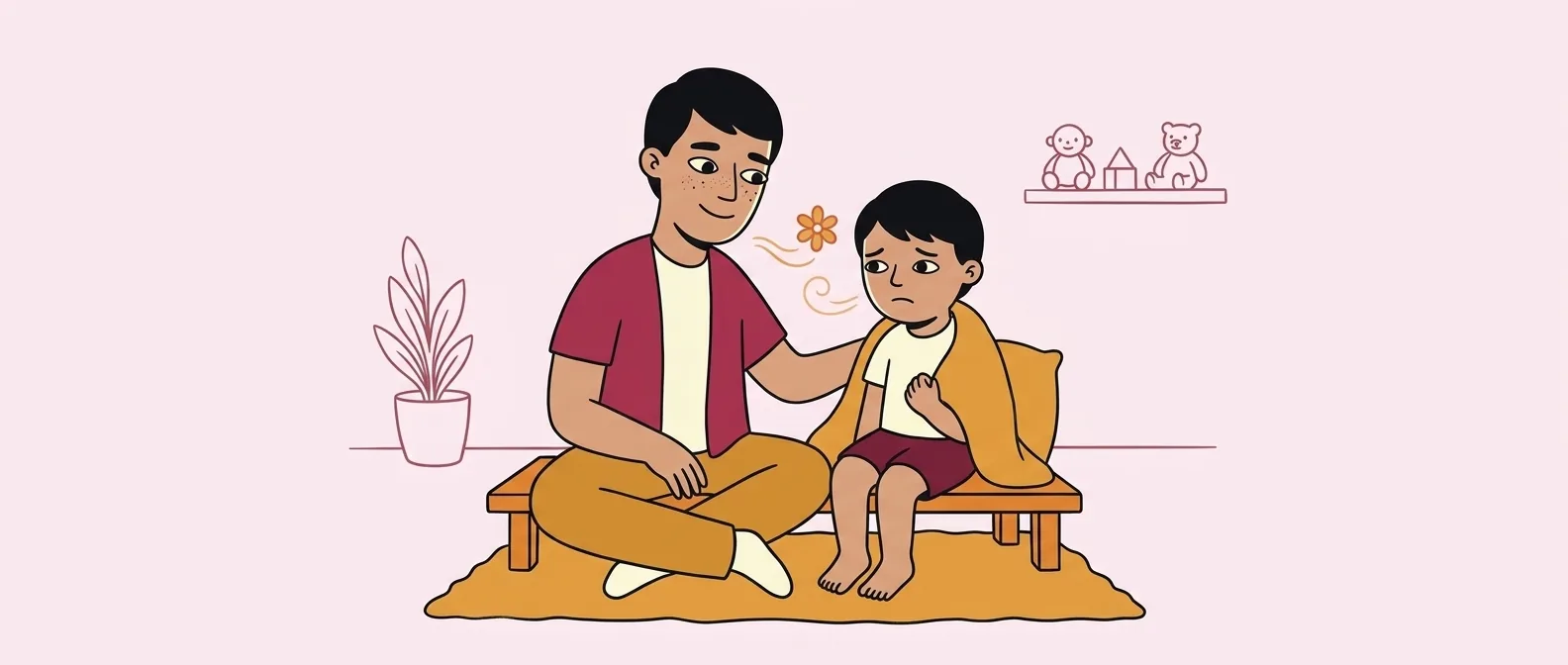
When emotions are running high, less is more. Speak quietly, use short sentences and do not expect an immediate response from your child. Let them know you see that they are struggling, while keeping the boundary in place.
You can say:
- I can see you are very angry.
- This is hard for you right now.
- I’m here.
- I won’t let you throw blocks.
- You can stomp your feet, but you cannot hit.
- First we’ll calm down, then we’ll talk.
All emotions are acceptable, but hurting others is not. Your child can cry, protest and feel disappointed. They do not have to get everything they want simply because they are experiencing strong emotions.
What is best to avoid?
A meltdown after preschool is usually not a good time for a lecture, shaming or forcing an apology. Labels such as “naughty,” “spiteful” or “manipulative” can increase tension and do not show your child what they could do differently.
Try to avoid:
- threats and punishments for crying or anger itself;
- lengthy explanations in the middle of shouting;
- asking, “Why are you doing this?”;
- comparing them with siblings or other children;
- forcing an apology while your child is still dysregulated.
It is worth returning to teaching and conversation later. Once your child is eating, playing or sitting more calmly, you can briefly remind them of the boundary and offer another option: “Next time, you can say you’re angry instead of hitting.”
What should you observe for a week after pickup?
For one week, make brief notes after pickup. They are not meant to identify one cause of the meltdown—several things may affect your child’s reaction at once. They can help you notice the circumstances that occur more often before a harder afternoon.
- sleep the previous night and how your child feels in the morning;
- food and drink during the day and after pickup;
- length of time spent at preschool;
- sensory input, such as noise, extra activities, many changes or crowds;
- the journey home, including shopping, traffic, conversation or the chance for a calm trip home;
- the reunion: a need for closeness, silence, protest about leaving or a wish to talk;
- information from caregivers about meals, rest, relationships and activity changes.
After a week, look at which factors tend to occur together and what you can simplify. Based on this, choose one change to your plan for the first 20–30 minutes—for example, a calmer journey home, an earlier snack or fewer questions after getting home—and observe it over the next few days. Do not assume from one observation that the meltdown is caused only by hunger, tiredness or something that happened in the group.
When should you talk to a teacher, paediatrician or psychologist?
Talking with the teacher is a good step when difficult afternoons continue for several weeks or when you see that your child is finding preschool itself increasingly hard. It is worth asking about specific situations rather than only general behaviour. Information about meals, rest, relationships with other children and transitions between activities can be helpful.
Consult a paediatrician or child psychologist if your child:
- regularly and very intensely refuses to go to preschool;
- sleeps poorly for a prolonged period, has nightmares or has a clear change in appetite;
- often talks about fear, loneliness or conflicts;
- repeatedly hurts themselves or others;
- cannot regain calm for a long time despite support from a close adult;
- becomes noticeably withdrawn outside the home as well.
This kind of consultation is not a judgment of your parenting or a label for your child. It is a way to calmly gather more information and find out what day-to-day support may be most needed right now.
Calm at preschool, meltdowns at home—the key steps
A calm day at preschool and a difficult afternoon at home can go hand in hand. Your child may manage the demands of being in a group for many hours and have no energy left for further tasks after pickup. It is worth first considering the basics: food, drink, rest, quiet and closeness.
A helpful after-preschool plan does not need to be complicated:
- welcome your child without pressure to talk;
- offer water and a simple snack;
- limit shopping and extra errands;
- keep to a reasonably consistent routine after coming home;
- during a meltdown, keep everyone safe, speak briefly and maintain clear boundaries;
- observe what most often comes before the tension.
If the situation is intense, recurring or worrying you, you can organise the key information and complete the BehaviorComplainer consultation form.
Sources
- American Academy of Pediatrics (AAP), “Emotional Development: 2 Year Olds”.
- National Health Service (NHS), “Dealing with child behaviour problems”.
- Centers for Disease Control and Prevention (CDC), “Milestones by 4 Years”.