Short Baby Naps: When is 30–45 Minutes Normal?
A nap ending after 30–45 minutes can be frustrating for parents, but for many infants, it's a natural part of sleep development. Especially in the first months, daily rhythms can be irregular: one nap lasts half an hour, another an hour, and the next day everything looks different.
When assessing sleep, the overall picture is more important than the length of a single nap: the child's age, total sleep over 24 hours, mood upon waking, feeding, development, and the quality of nighttime sleep. According to the American Academy of Sleep Medicine, infants aged 4–12 months should generally sleep 12–16 hours per day, including naps. For children under 4 months, no single recommended value is specified due to the significant biological variability of sleep during this period [3].
A short nap is usually within the norm if the child:
- wakes up calm or regains a good mood shortly after,
- feeds well and gains weight appropriately,
- has periods of cheerful, active wakefulness,
- does not show signs of significant fatigue for most of the day,
- obtains an appropriate amount of sleep for themselves over the entire day.
More attention is needed when almost every short nap ends with intense crying, the child quickly becomes sleepy again, is difficult to feed or soothe, and nights are very restless. Sleep ranges are indicative values, so they should be related to the functioning of the specific child, not treated as a rigid goal [4].
Why Does a Baby Wake Up After 30–45 Minutes?
Maturation of Sleep Cycles
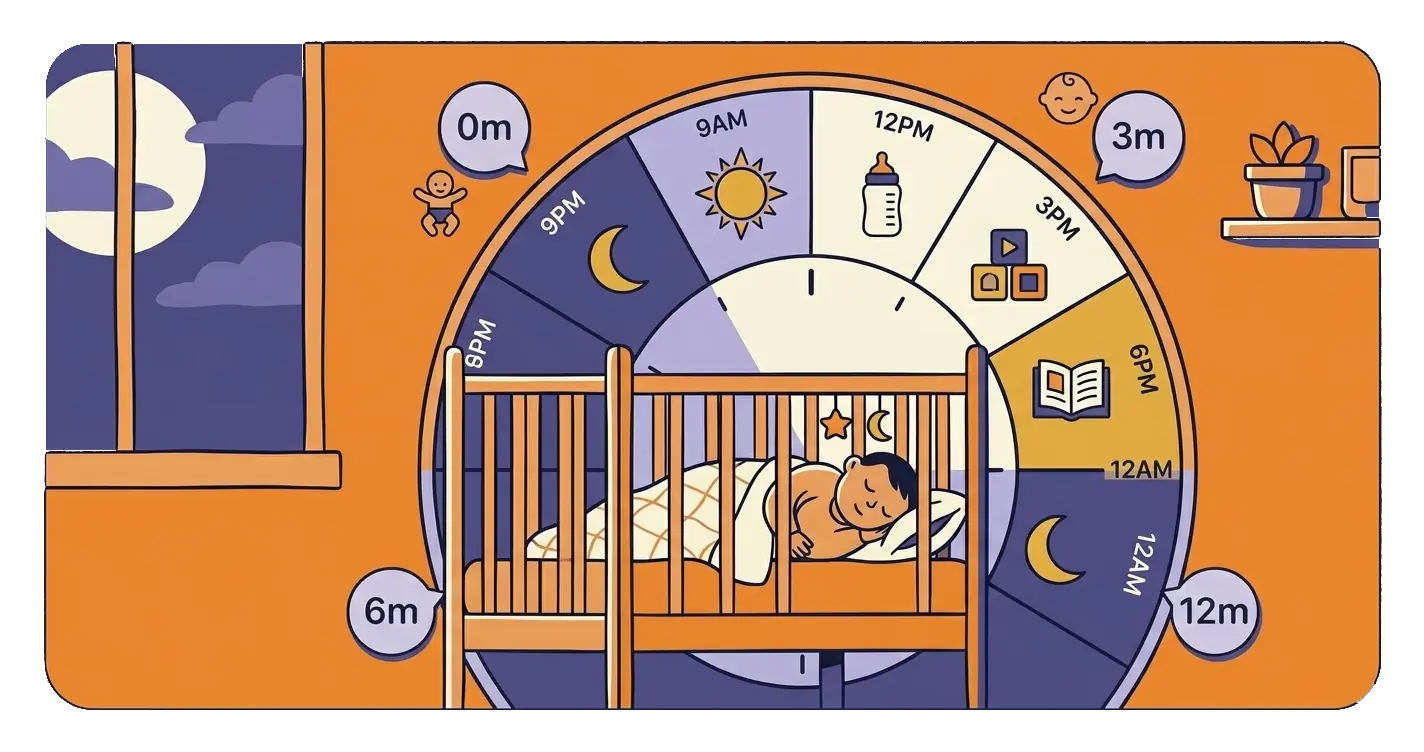
Sleep is not uniform. It consists of successive phases, between which brief awakenings may occur. Infant sleep cycles are shorter and less stable than those of adults, and the organization of sleep changes particularly intensively in the first year of life [2].
After a period of deeper sleep, a child may start to move, open their eyes, sigh, or make single sounds. This does not always mean the end of the nap. Some infants fall back asleep without help, others need a parent's presence, and some are ready to be awake.
Not every awakening after 30–45 minutes signifies the end of a full cycle. The length and course of cycles vary among children and depend on factors such as age, time of day, and level of fatigue.
The Role of the Child's Age
In newborns and the youngest infants, sleep is spread over many segments during the day and night. A regular nap schedule is usually not yet possible, so the priority remains responding to the child's needs and ensuring safe sleep conditions.
In the following months, the daily rhythm gradually matures, and nighttime and daytime sleep become more organized. However, periods of shorter naps may still occur due to development, changes in the number of naps, infection, travel, or increased stimuli. Age alone does not determine that every nap should last a specific number of minutes.
The Timing of the Nap
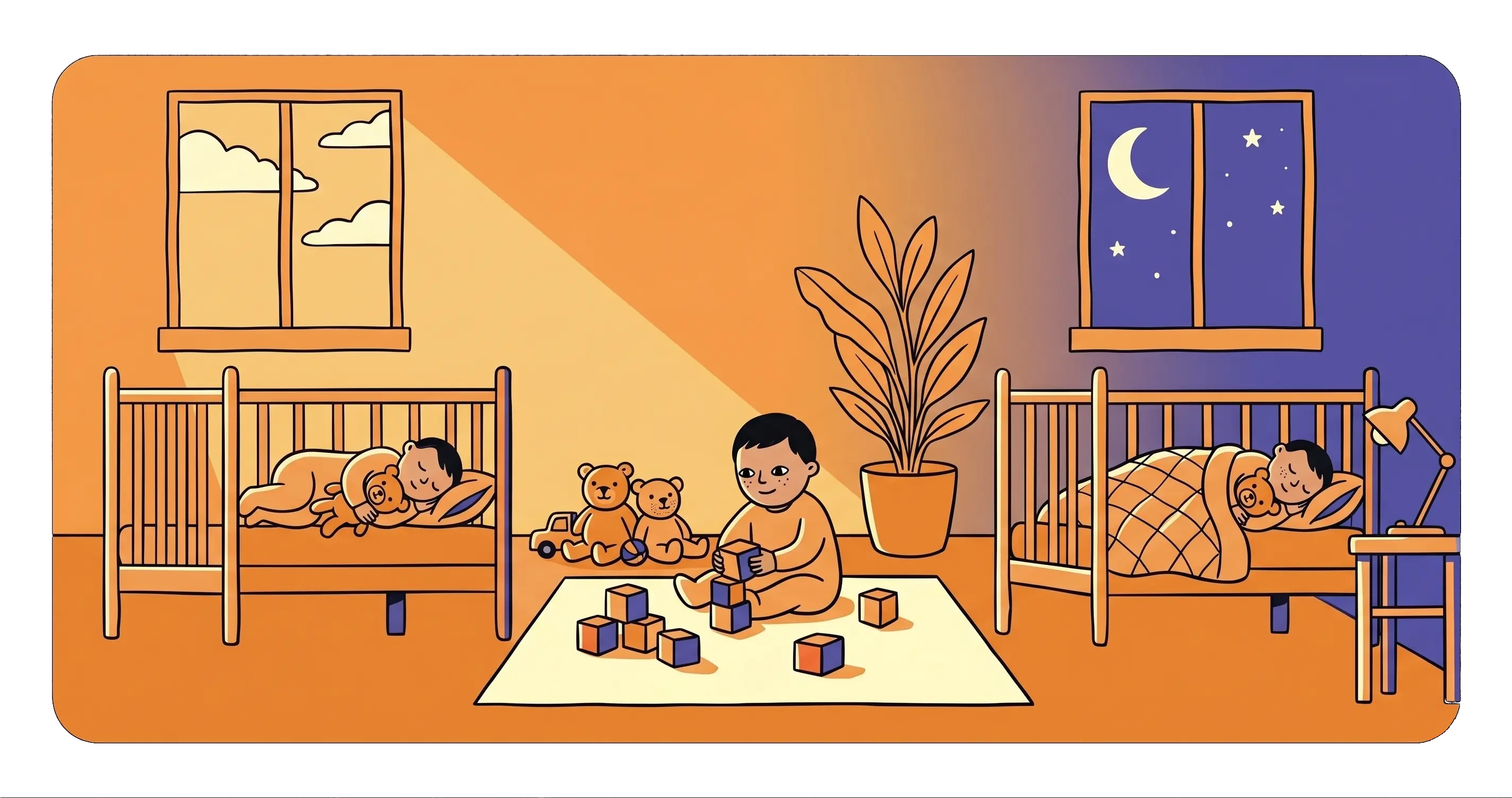
Short sleep can result from both putting the child down too early and too late. If the child is not yet sufficiently sleepy, they may take a long time to fall asleep, sleep lightly, and wake up in a good mood. With excessive fatigue, crying, tension, difficulty calming down, or very rapid sleep followed by abrupt awakening often occur.
Single signals, such as yawning or rubbing eyes, are not always sufficient to assess the right moment. It's worth considering the time since the last awakening, the child's behavior, and the course of previous naps.
Comfort and Environment
Naps can also be shortened by hunger, the need to burp, a stuffy nose, a wet diaper, noise, light, uncomfortable temperature, or intense activity just before sleep. If the change appeared suddenly, consider infection, teething, or another cause of discomfort.
Action Plan: Observe First, Then Change
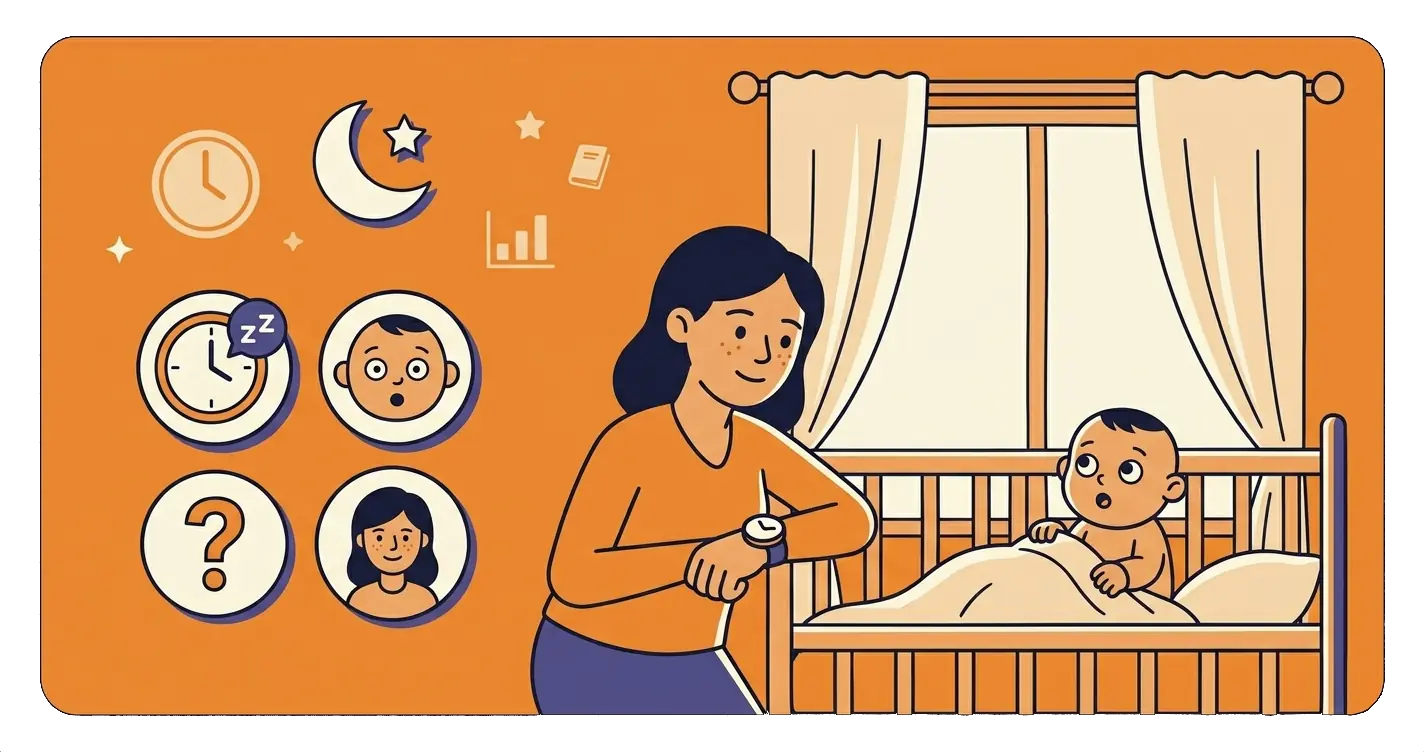
Instead of implementing several methods at once, apply a simple scheme: observe for 3–5 days, assess mood and night, and then introduce one change.
- Observe for 3–5 days. Record the time of morning awakening, start and end of naps, time to fall asleep, and the way of waking up. A sleep diary helps notice repetitive patterns that are hard to capture in memory [5].
- Assess behavior after the nap. Check if the child is cheerful and interested in the surroundings, or if they quickly start crying, yawning, and demanding more sleep.
- Look at the night and the whole day. Summarize the approximate sleep time, number of awakenings, and whether short naps lead to increasing fatigue in the evening.
- Exclude basic discomfort. Evaluate feeding, nasal patency, diaper, room temperature, and any signs of illness.
- Change one element. You can shift the first nap by 10–15 minutes, calm the period before sleep, or improve conditions in the room.
- Observe again. Do not judge the solution based solely on one nap. If the child reacts poorly, there is no need to continue the change forcibly.
How to Gently Support Longer Naps?
Start with the First Nap
The first nap of the day is often the easiest to observe because it is not yet influenced by the day's fatigue. Maintain a similar routine for a few days and see if a slight adjustment in timing improves falling asleep and mood after waking.
If the child takes a long time to fall asleep and wakes up cheerful, consider starting the nap a bit later. If they are irritable before sleep, fall asleep abruptly, and wake up crying after a short time, earlier calming and laying down may help. These are observational tips, not rules that fit every infant.
Introduce a Short, Repetitive Ritual
The ritual can include changing the diaper, closing the curtains, cuddling, and a calm voice. Repetitive actions help the child recognize the approaching rest. Regular sleep times and calm bedtime habits are also part of recommendations for healthy sleep habits [1].
There is no need to change the sleep location, method of putting to sleep, and the entire day's plan simultaneously. One adjustment introduced over a few days provides clearer information than daily testing of a new method.
Ensure Sleep Conditions
- Before the nap, limit intense light, noise, and stimulating play.
- Ensure a comfortable temperature and clothing appropriate for the conditions.
- If using white noise, place the device away from the crib and choose a low volume.
- Check that the child is not hungry and can breathe freely through the nose.
For every nap, place the infant on their back, on a firm and flat mattress, without pillows, quilts, bumpers, toys, or loose items. The safest place is a separate crib or a co-sleeper that meets safety standards.
Do Not Automatically React to Every Movement
If the child only moves or makes short sounds after 30–45 minutes, you can calmly observe for a moment. If crying increases or the child needs help, respond to their signals. The goal is not to leave the infant in high tension but to distinguish transitional activity in sleep from full awakening.
If the awakening regularly occurs at a similar time, you can be nearby and start with minimal support: a calm voice, placing a hand on the torso, or cuddling. If the parent's presence intensifies the arousal, it's better to abandon this attempt.
Nap in Contact and Short Nap at the End of the Day
A nap in contact with a parent can sometimes help the infant rest, especially after a series of short sleeps. It is not a parenting failure in itself. However, it must be done with safety in mind: the caregiver should remain fully alert. Do not fall asleep with the child on the couch, chair, or any other place where they could fall or where their airways could be blocked.
A short, emergency nap at the end of the day can be helpful when previous naps were insufficient, and there is a long time until nighttime sleep. Its timing and length should be adjusted to the child's age and reaction. A nap that is too late or too long can make it difficult to fall asleep in the evening, but it won't look the same for every infant.
What to Avoid?
- Comparing the child to a table minute by minute. Norms describe ranges and do not replace assessing well-being.
- Changing several elements at once. This makes it difficult to recognize what actually affected sleep.
- Forcing wakefulness at all costs. Longer wakefulness does not guarantee a longer nap and may increase fatigue.
- Building a plan solely on sleepiness signals. It's worth considering age, wake time, and the course of the entire day.
- Using unsafe accessories. Wedges, positioners, pillows, and weighted products should not be in the infant's sleep space.
When to Consult a Doctor or Specialist?
A short nap alone usually does not indicate illness. However, contact a pediatrician if short or restless sleeps are accompanied by:
- snoring, breathing pauses, cyanosis, wheezing, or noticeable respiratory effort,
- feeding difficulties, frequent choking, or poor weight gain,
- recurring vomiting, signs of pain, or severe body arching,
- unusual sleepiness, difficulty waking, or noticeable weakness,
- sudden and persistent sleep change with fever or other infection symptoms,
- very high irritability and lack of periods of calm, active wakefulness,
- total sleep amount significantly deviating from the child's previous pattern and worsening their functioning.
Breathing pauses, cyanosis, significant breathlessness, or lack of proper response from the child require urgent medical help.
If the child is healthy but it's difficult to establish a daily rhythm, you can discuss notes with a pediatrician or a qualified specialist in children's sleep. Such a consultation does not replace medical diagnosis. It may be helpful to fill out the SleepComplainer consultation form in advance.
Frequently Asked Questions
Is a 30-minute Baby Nap Too Short?
Not always. It can be within the norm if the child wakes up rested, functions well between naps, and gets an appropriate amount of sleep for themselves throughout the day. The child's well-being, not just the clock, requires evaluation.
Should Every Short Nap Be Extended?
No. If the infant is cheerful and developing properly, extending every nap may not be necessary. Support is worth seeking when short sleeps lead to increasing fatigue, crying, and difficult evenings.
How Long to Observe Sleep Before Making a Change?
It's usually worth keeping notes for 3–5 days, then assessing the child's mood, night, and total sleep. Only then is it best to change one element, such as the timing of the first nap or the pre-sleep ritual.
Does Quick Falling Asleep Mean the Nap Time is Right?
Not always. Very quick falling asleep may result from the right level of sleepiness, but it can also be a sign of fatigue. The clue is behavior before sleep and after waking.
Does Napping in Arms Reinforce Bad Habits?
Not necessarily. It can be a temporary way to ensure the child gets rest. The most important thing is safety: the caregiver should remain alert, and the couch and chair are not safe places for shared sleep.
Summary
Naps lasting 30–45 minutes are common, especially in younger infants whose sleep is still maturing. Whether they are a problem depends primarily on the child's functioning: their mood, feeding, development, night, and total sleep amount.
The safest plan of action is: observe for 3–5 days, assess mood and night, exclude discomfort, and then change only one element. A slight adjustment in nap timing, a calm ritual, and appropriate conditions can help, but not every short nap needs to be extended.
Sources
- American Academy of Pediatrics, HealthyChildren.org, materials on healthy sleep habits and child sleep safety (“Healthy Sleep Habits”).
- A scientific review on the development and organization of infant sleep.
- American Academy of Sleep Medicine, consensus on recommended sleep duration for children (“Recommended Amount of Sleep for Pediatric Populations”).
- Sleep Education, materials on proper sleep duration ranges for children.
- American Academy of Sleep Medicine, Sleep Education, materials for keeping a sleep diary.