Sleep Regression in Infants – What Does This Term Mean?
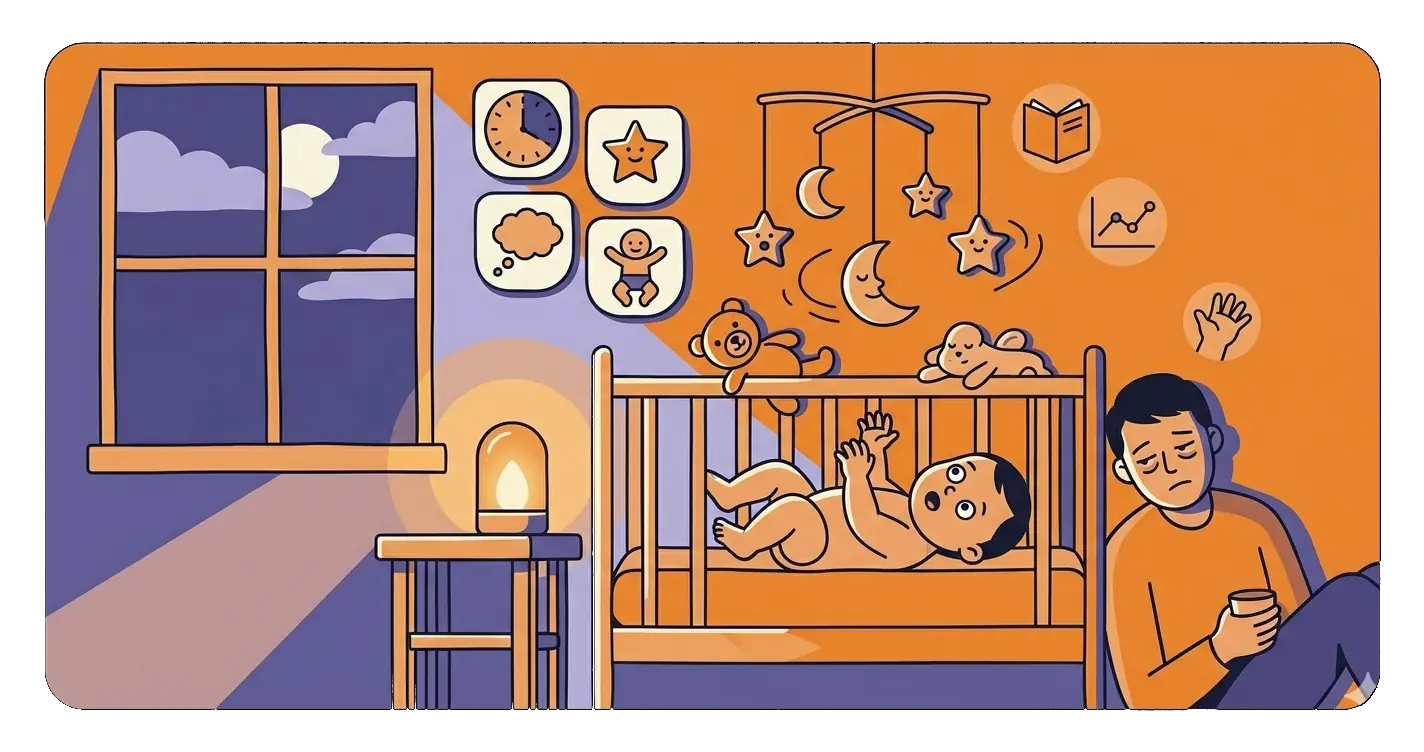
“Sleep regression” is a colloquial term used by parents, not a medical diagnosis. It describes a period when an infant sleeps differently than before: waking more often at night, having shorter naps, finding it harder to fall asleep, or needing more help to settle down.
This change does not mean that parents have made a mistake or that the child has lost previously acquired skills. Sleep matures intensively in the first year of life, and its rhythm can change due to development, new skills, nutritional needs, mood, and environment. The great variability in infant sleep is a natural part of development [1].
There is no single “regression calendar” that applies to all children. Some infants experience a difficult period around the 4th month of life, others later, and some families do not notice a significant deterioration in sleep at any specific stage.
What Might Temporary Sleep Deterioration Look Like?
One restless night does not necessarily indicate a major change. It's worth paying attention when a new, repetitive pattern emerges over several consecutive days, such as:
- more difficult or longer time to fall asleep,
- more frequent night awakenings,
- shorter and less predictable naps,
- protest when being put to bed,
- greater need for feeding, cuddling, or parental presence,
- earlier start to the day.
These symptoms are nonspecific. They may accompany developmental changes, but also infections, pain, hunger, inappropriate sleep conditions, or a mismatched daily rhythm.
Why Might Sleep Deteriorate at Different Stages?
Around 3–5 Months of Age
In the first months, the organization of sleep and the way of transitioning between its phases change. The child may more often signal brief awakenings between cycles, and naps may be shorter. At the same time, regular feeding is still needed, so night awakenings at this age are often physiological.
In the Second Half of the First Year
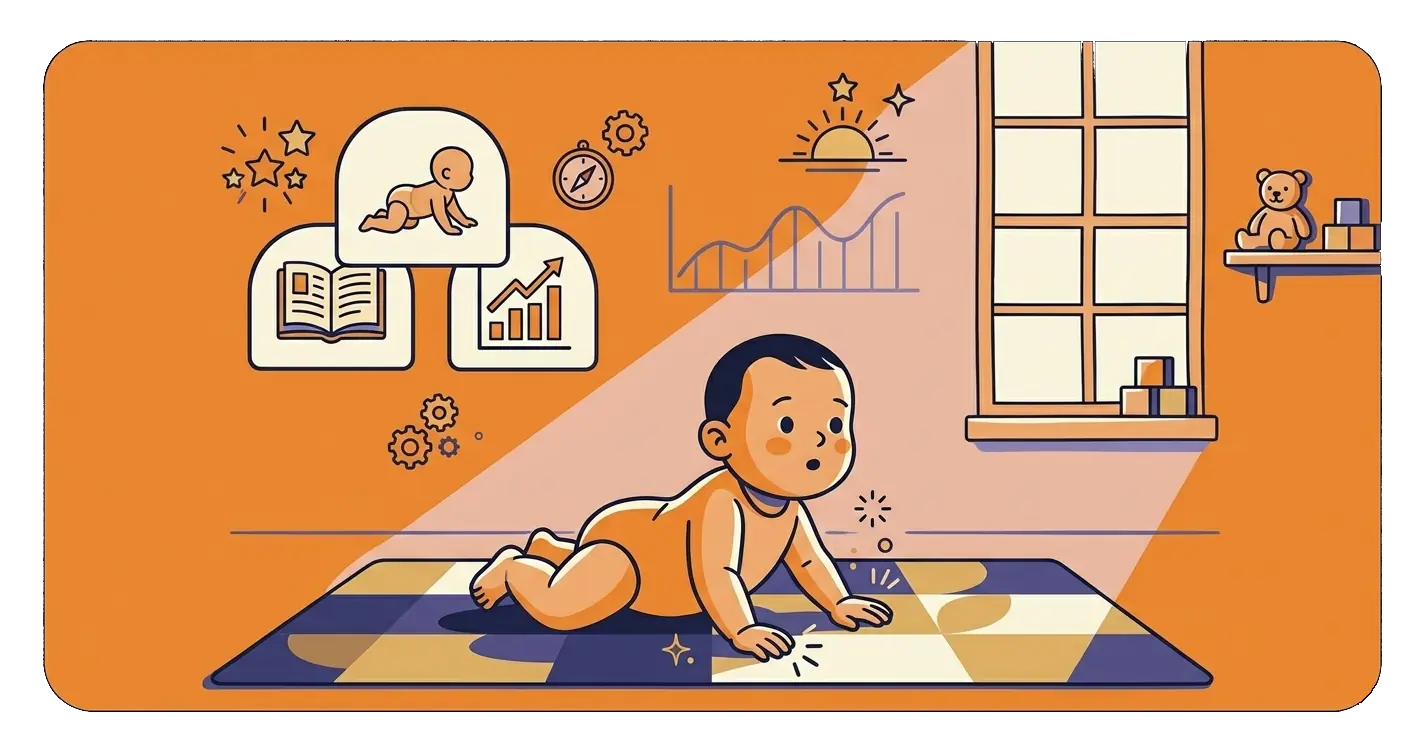
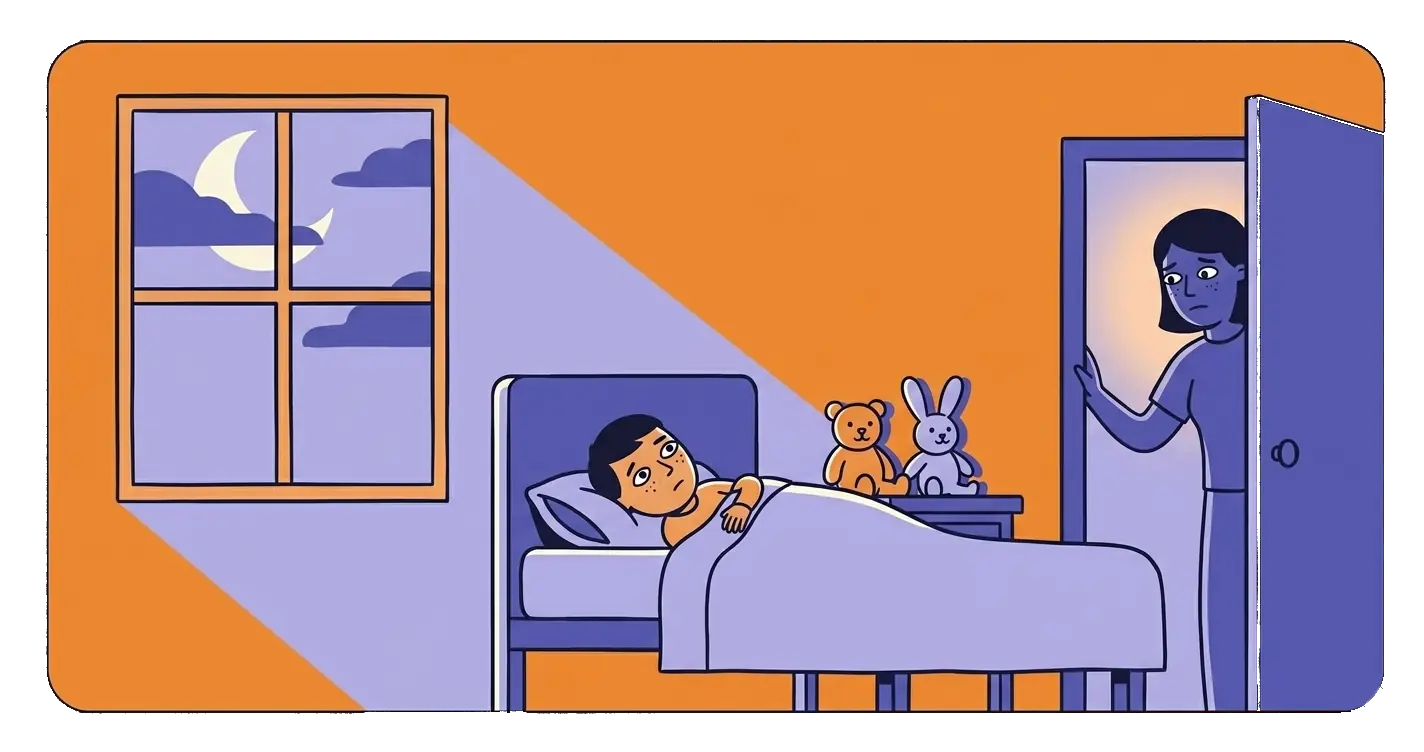
Rolling over, sitting, crawling, or standing increases interest in the surroundings. An infant may practice new skills even in the crib. Between 8 and 12 months, separation anxiety often intensifies: the child better understands that a parent can leave and protests more strongly during separation. This is a typical element of emotional development, which can temporarily affect falling asleep and night awakenings [5].
Changes in Nap Rhythm
With age, the number of naps decreases, but the transition to a new rhythm usually does not happen overnight. Removing a nap too early can lead to overtiredness, while a nap that is too late or too long can make it difficult to fall asleep in the evening.
Children differ in their sleep needs. According to the AASM consensus, infants aged 4–12 months typically need a total of 12–16 hours of sleep per day, including naps [3]. This is an indicative range, not a target that every child must meet to the minute.
Sleep Regression or Another Cause?
Before considering difficulties as a developmental stage, it's worth checking if there is another explanation.
Illness or Pain
Infection, a stuffy nose, ear infection, reflux causing discomfort, or other discomforts can disrupt sleep. Additional symptoms occurring during the day should raise concern.
Teething
Teething can temporarily increase irritability and make it difficult to fall asleep, but it should not automatically explain prolonged fever, noticeable weakness, intense diarrhea, or significant deterioration in the child's overall condition.
Hunger and Feeding Changes
Night feedings may still be needed, especially in younger infants. More frequent awakenings may also occur during growth spurts, feeding difficulties, or insufficient weight gain. Night feedings should not be limited automatically just because the child has reached a certain age.
Mismatched Daily Rhythm
Both too long and too short wake periods can make it difficult to fall asleep. Irregular times, intense evening stimuli, and large differences between consecutive days also matter.
Bedroom Conditions
Sleep can be disrupted by light, noise, overheating, uncomfortable clothing, or tobacco smoke. It's also important to ensure that the way the child is laid down remains consistent with safe sleep guidelines.
Persistent Sleep Onset Problem
If difficulties are chronic and the child can only fall asleep under very specific conditions, it's worth discussing the situation with a pediatrician or a specialist in infant sleep. Behavioral methods can support sleep but should be tailored to the age, health, and capabilities of the family [4].
What Can Be Done During the Day?
Observe Your Child and Record the Sleep Pattern
For a few days, you can note sleep times, awakenings, feedings, and nap durations. Such a record helps to notice whether difficulties are related to very short naps, late evenings, or changes in appetite.
Don't Remove a Nap After a Few Difficult Days
Protest before a nap does not always indicate readiness to change the rhythm. First, it's worth making a small adjustment to the sleep time and observing the child's reaction. After a short nap, an infant may need earlier rest than usual.
Ensure Light and Activity at Appropriate Times
Natural light and activity during the day support the development of the circadian rhythm. In the evening, it's worth gradually reducing intense play, noise, and bright light.
Consider Earlier Sleep After Poor Naps
Extending wakefulness does not guarantee longer sleep. If the child is clearly tired, a calmer and slightly earlier start to the bedtime routine may be better than rigidly sticking to the clock.
How to Respond During Night Awakenings?
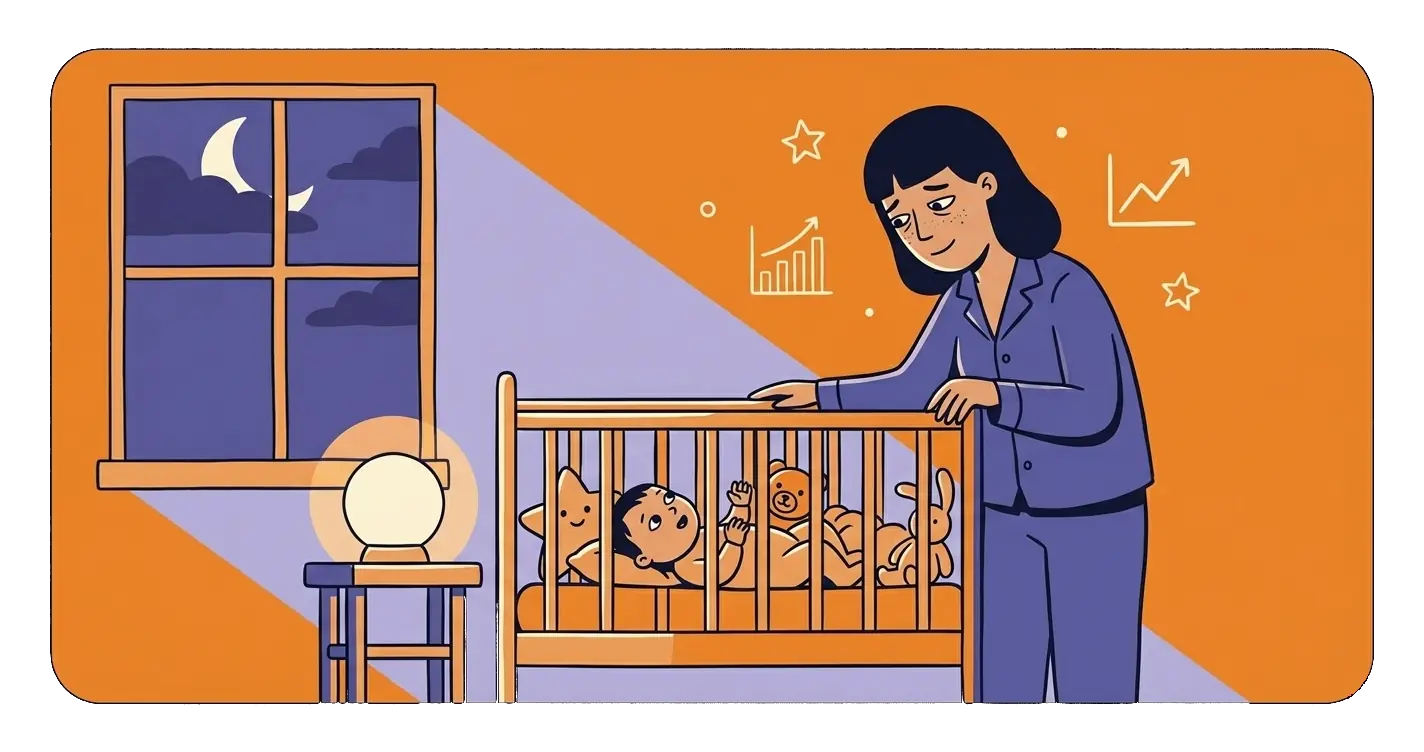
First, assess basic needs: hunger, diaper, temperature, possibility of pain or illness. The response should consider the child's age, temperament, and feeding recommendations.
It may be helpful to:
- keep the light dim and voice calm,
- avoid play and unnecessary stimulation,
- use a similar sequence of actions for subsequent awakenings,
- provide closeness when the child needs it,
- introduce changes gradually instead of testing many methods at once.
A regular daily rhythm and a consistent bedtime routine are fundamental to healthy sleep habits recommended for children [2]. The routine may include care, feeding, dimming the lights, a short lullaby, or a gentle cuddle. It doesn't have to be long or identical to the minute.
Safe Sleep Is More Important Than the Method of Falling Asleep
Regardless of the number of awakenings, an infant should be placed to sleep on their back, on a flat and firm mattress, in a crib or bassinet designed for them. The sleep area should not contain pillows, quilts, bumpers, wedges, stuffed animals, or loose items.
Side or stomach positions, weighted blankets and swaddles, infant nests, and inclined sleep devices are not ways to limit awakenings. If a child can turn over independently in both directions, they should still be initially placed on their back, but there's no need to turn them over every time.
What to Avoid?
- Forcing wakefulness in the hope that the child will sleep more soundly.
- Changing the entire plan after one night – single deviations are part of normal life.
- Limiting feedings without consultation, especially in younger infants or when there are concerns about growth.
- Comparing with other children – sleep duration and maturation pace are individual.
- Attributing every deterioration to “regression” without assessing the child's health and well-being.
When to Consult a Doctor or Specialist?
Contact a pediatrician if sleep deterioration is accompanied by:
- fever, noticeable pain, or unusual, hard-to-soothe crying,
- shortness of breath, rapid breathing, blueness, or difficulty breathing,
- significant appetite loss, feeding difficulties, or fewer wet diapers,
- recurrent vomiting, noticeable weakness, or unusual drowsiness,
- loud, regular snoring, breathing pauses, or choking during sleep,
- lack of proper weight gain,
- sudden behavior change persisting during the day as well.
Urgent medical help is needed for a child with breathing difficulties, blueness, consciousness disturbances, or signs of significant dehydration. Fever in a child under 3 months old also requires urgent contact with a doctor.
It's also worth seeking advice if difficulties persist for several weeks, significantly affect the child's functioning, or parental exhaustion becomes hard to manage. A consultation can help assess health, feeding, daily rhythm, and sleep safety.
Frequently Asked Questions
How Long Does Sleep Regression Last in Infants?
There is no set duration, as “sleep regression” is not a diagnosis or a strictly defined stage. A temporary change may last a few days or longer. If problems persist for several weeks, intensify, or are accompanied by other symptoms, it's worth looking for a specific cause.
Does Every Child Experience Sleep Regression Around 4 Months?
No. Around this age, the organization of sleep matures, but the degree of noticeable changes varies greatly. Some children experience more frequent awakenings and shorter naps, while others' parents do not notice a significant deterioration.
Can More Cuddling “Spoil” Sleep?
A greater need for closeness is common during illness, developmental changes, or separation anxiety. Responding to an infant's needs does not automatically mean reinforcing a problem. If the family wants to change the way of falling asleep, it can be done gradually, considering the child's age and temperament.
Are Short Naps Always Abnormal?
No. Especially in younger infants, naps can vary greatly in length. More important are the total amount of sleep, the child's well-being, feeding, development, and whether short sleep leads to constant overtiredness.
Should Night Feedings Be Stopped During Regression?
They should not be stopped automatically. The need for night feedings depends on factors such as age, feeding method, growth, and health status. It's best to discuss any concerns with a pediatrician or lactation consultant.
Summary
Sleep regression is a parental term for temporary sleep deterioration, not a diagnosis. More frequent awakenings may be related to sleep maturation, motor development, separation anxiety, nap changes, feeding needs, or overtiredness. It's always worth simultaneously ruling out illness, pain, and feeding problems.
The most helpful approaches are calm observation, small adjustments to the daily rhythm, a consistent routine, and responses tailored to the child's needs. Changes do not have to bring immediate results. The priority remains sleep safety and the well-being of the entire family.
Sources
- Scientific review on infant sleep development.
- American Academy of Pediatrics, materials on healthy sleep habits.
- American Academy of Sleep Medicine, consensus on recommended sleep duration for children.
- Scientific review on behavioral sleep difficulties in infants.
- HealthyChildren.org, materials on separation anxiety and sleep.