When Your Child's Sleep Suddenly Changes
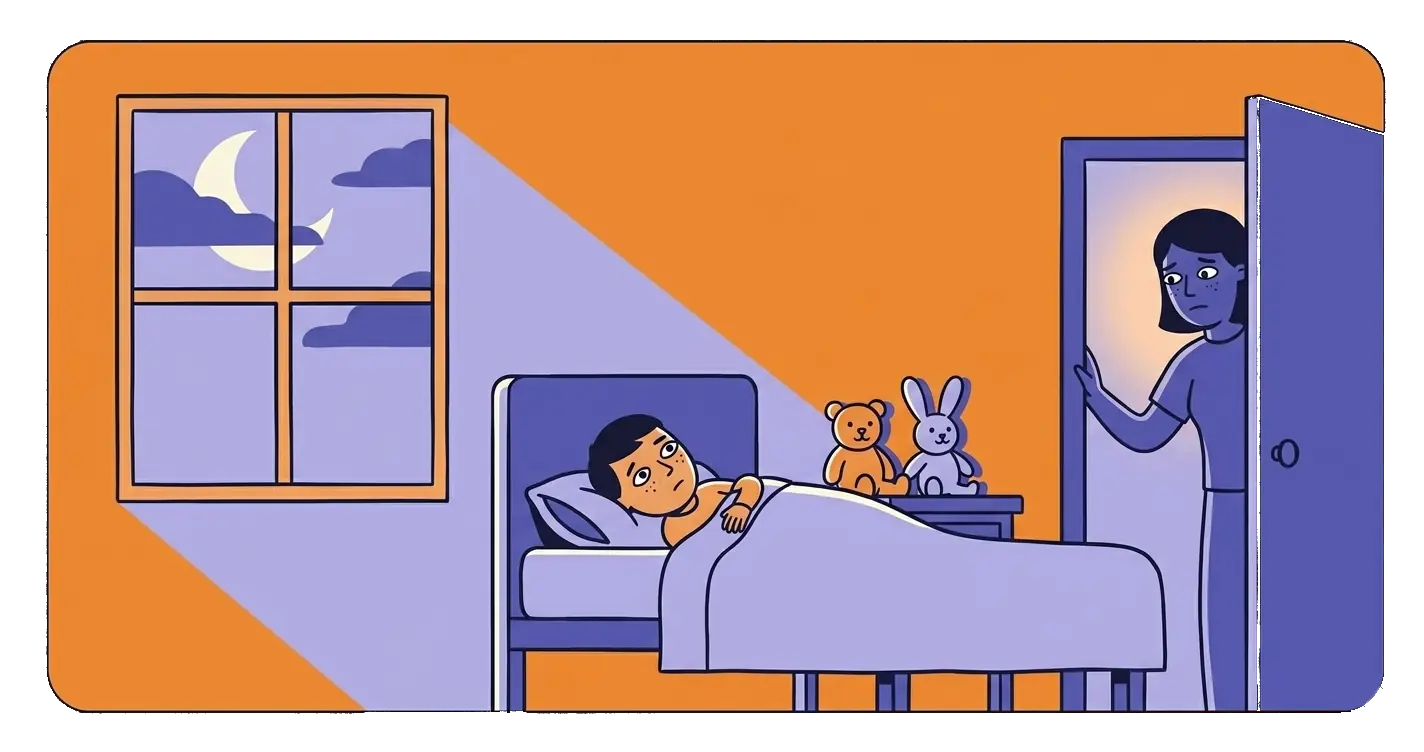
Not long ago, your child was falling asleep quite peacefully, but now they wake up more frequently at night, shorten naps, or protest when being put down. Such changes may coincide with intense development, but the term “developmental leap” should not automatically explain all sleep difficulties.
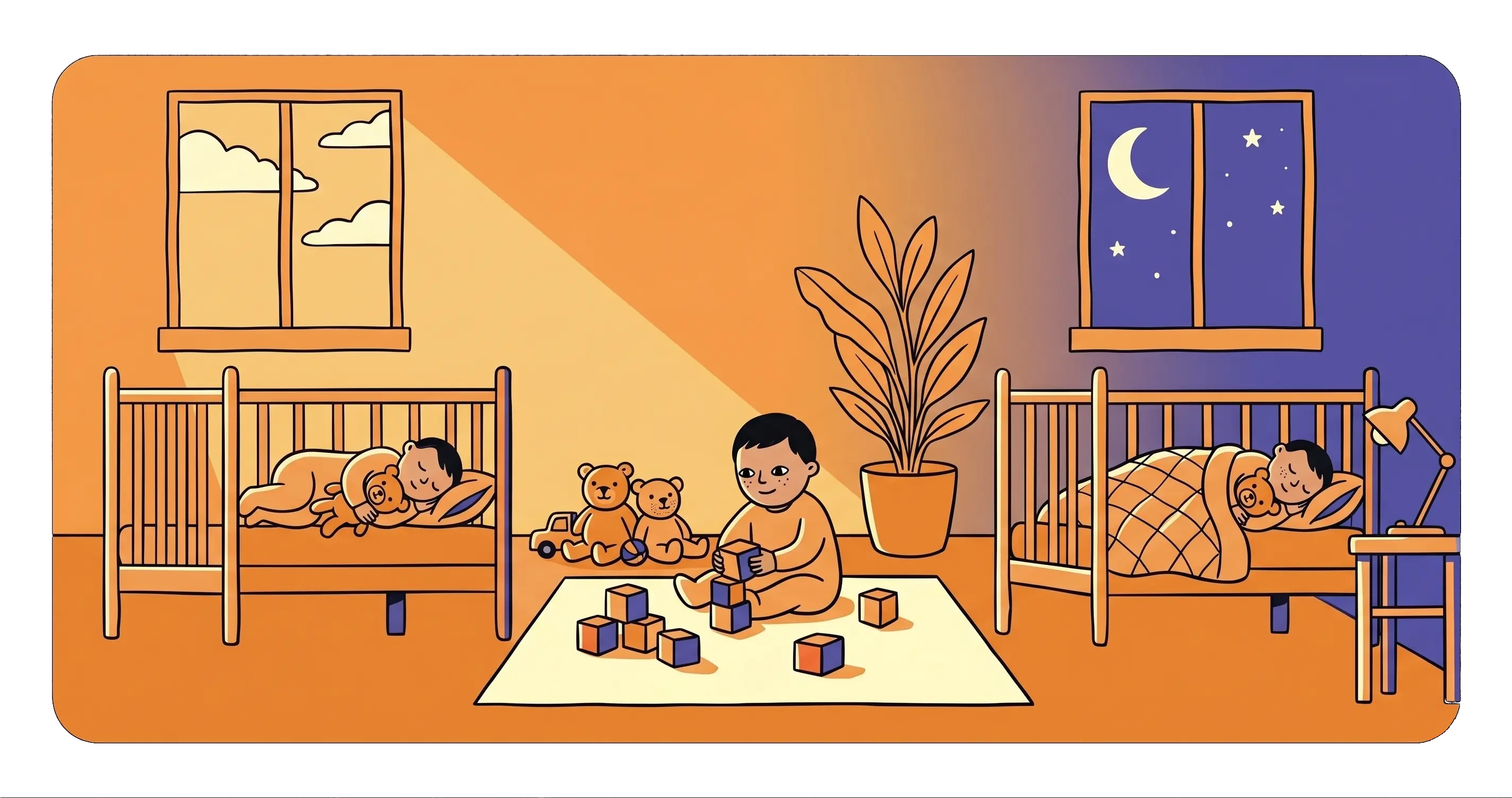
Infant and toddler sleep matures gradually. Sleep cycle lengths, circadian rhythm, nap needs, and responses to brief awakenings change over time [1]. Simultaneously, sleep is influenced by health, daily schedule, bedroom conditions, sleep habits, and current emotional needs. Therefore, it's worth looking at the whole day, not just one difficult night.
How Can Development Affect Sleep?
During periods of acquiring new skills, a child may be more stimulated, intensely practicing rolling over, sitting, standing, or walking, and may find it harder to calm down before sleep. Some children need more closeness and frequently check for their caregiver's presence.
In the second half of the first year, separation anxiety may intensify. The child increasingly understands that a parent can leave but cannot yet predict when they will return. This can lead to protests at separation and more frequent calls at night [5]. Similar behaviors may return later, especially during periods of significant change.
Possible signs that development is contributing to sleep deterioration include:
- sudden, but variable number of night awakenings,
- intense practice of a new skill even in the crib,
- increased need for contact with the caregiver,
- stronger protest at separation,
- difficulty calming down despite visible tiredness.
However, there is no universal “leap” calendar that would allow precise prediction of sleep changes. Children develop at different rates, and similar symptoms can also result from overtiredness, illness, teething, or a mismatched daily schedule.
What Might Indicate a Problem with Daily Rhythm or Falling Asleep?
If difficulties arise daily at a similar time and form a repetitive pattern, it's worth assessing the organization of the entire day. Factors such as too long or too short wake periods, late or long naps, irregular morning wake times, and overstimulation before bed can be significant.
Comparing total sleep with age-appropriate recommendations can be helpful. Norms have a wide range and refer to sleep throughout the entire day, including naps [3]. More important than achieving a specific number of hours is the child's well-being and daytime functioning.
The frequency of awakenings can also be influenced by how the child falls asleep. Short awakenings between sleep cycles are natural. However, if a child falls asleep only under certain conditions, such as prolonged rocking, they may demand their recreation after each awakening. Such entrenched behavioral difficulties are assessed differently than temporary deterioration related to development [4]. This does not mean that closeness or feeding is inappropriate — the approach should consider the child's age, feeding method, and the family's needs.
What to Observe Over Several Days?
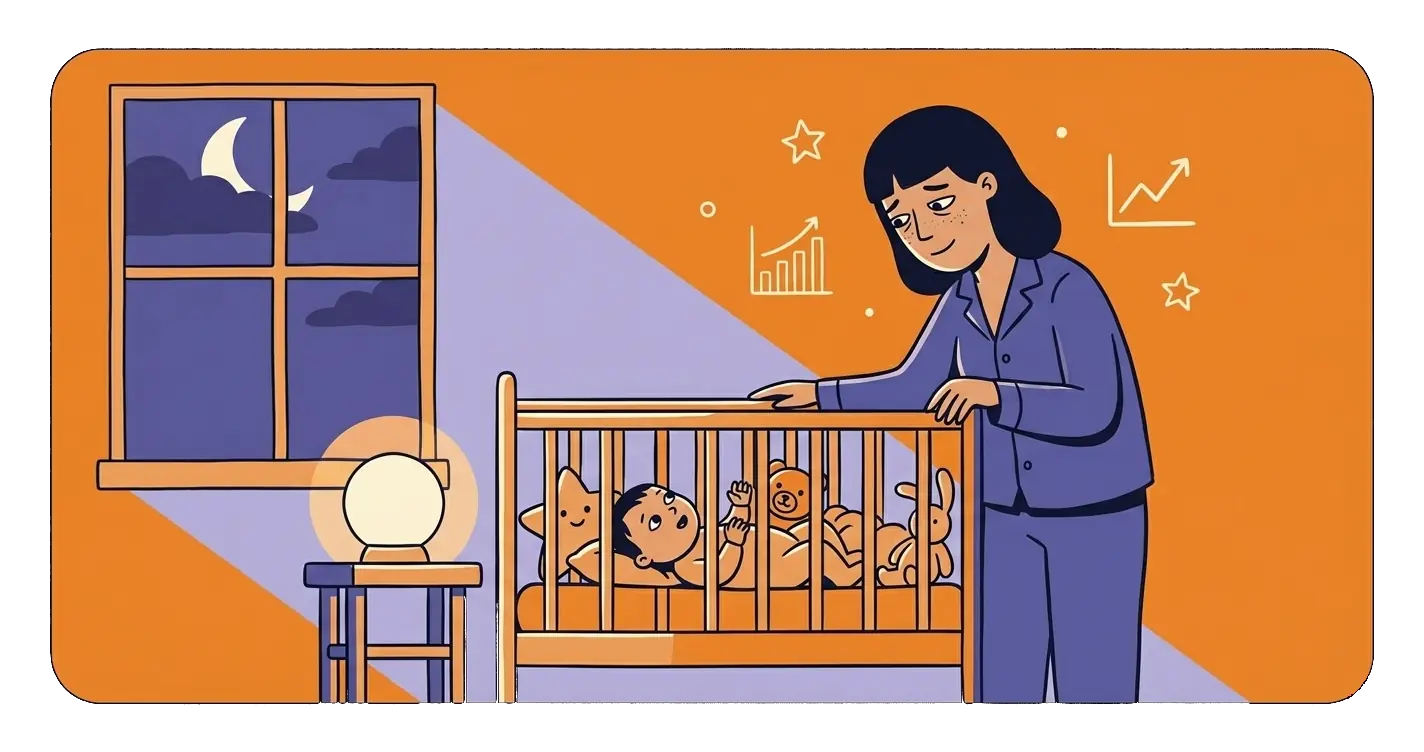
One night is usually not enough to recognize a pattern. For 3–5 days, it's worth keeping a simple sleep diary. It doesn't have to be very detailed — regularity of recording is most important.
Record Sleep Rhythm
- wake-up time to start the day,
- nap times and durations,
- evening wind-down and sleep onset times,
- approximate number and duration of night awakenings,
- how the child falls asleep and calms down again.
Observe Behavior and Health
- mood, energy level, and appetite during the day,
- first signs of tiredness and moments of irritability,
- new skills and increased need for closeness,
- symptoms of teething, infection, pain, or gastrointestinal issues,
- changes in the environment, such as travel, starting care outside the home, or moving.
After several days, check whether the difficulties are chaotic and temporary or occur according to a fixed pattern. A daily recurring long protest before sleep may indicate a mismatched bedtime. Sudden awakenings combined with physical symptoms require health assessment.
How to Carefully Adjust the Daily Plan?
Healthy sleep habits are primarily based on regularity, adequate sleep quantity, and a predictable bedtime routine [2]. When sleep temporarily worsens, there's usually no need to change everything at once.
- Maintain Consistent Daily Points. As much as possible, keep similar morning wake-up times, meals, and evening wind-down routines.
- Respond to Signs of Tiredness. If the child is visibly irritable in the evening, consider starting the routine a bit earlier instead of deliberately extending wakefulness.
- Introduce One Change at a Time. Observe a small adjustment for several days, provided the child's condition allows.
- Limit Stimulating Activities in the Evening. Dimmed lights, calm play, and a repetitive sequence of activities are helpful.
- Don't Hastily Drop a Nap. One or two refusals don't necessarily mean a permanent change in sleep needs.
Night feedings should not be limited solely to reduce awakenings without considering age, feeding method, weight gain, and medical advice.
How to Support Your Child in the Evening and at Night?
During periods of intense development, a child may need more caregiver presence. Support can be increased while maintaining a familiar evening structure.
- Approach calmly and assess whether the child is hungry, sick, overheated, or otherwise uncomfortable.
- Try calming with voice, touch, or a brief cuddle.
- If that's not enough, apply age-appropriate and need-based help, such as feeding or holding.
- After the difficult period subsides, gradually return to the previously accepted family sleep method.
Regardless of the cause of awakenings, follow age-appropriate safe sleep guidelines. Infants should be placed on their backs on a flat, firm surface without pillows, loose bedding, bumpers, or soft objects in the sleep area.
When to Look for Another Cause?
Development is just one possible piece of the puzzle. Look for another cause when:
- problems persist for several weeks or clearly worsen,
- awakenings occur in a similar pattern every night,
- the child regularly protests for a long time before sleep or stays awake for a long time in the middle of the night,
- difficulties began after a significant change in the daily plan or sleep method,
- snoring, mouth breathing, or restless breathing occurs,
- the child is constantly sleepy, irritable, or has noticeably less energy during the day,
- the parent is so tired that it's difficult to safely care for the child.
In such situations, it's worth discussing the issue with a pediatrician and, if necessary, a child sleep specialist. A sleep diary can facilitate the assessment of daily rhythm and possible causes.
When to Consult a Doctor or Specialist?
Contact a doctor if sleep deterioration is accompanied by:
- fever, significant pain, or unusual, hard-to-soothe crying,
- breathing problems, cyanosis, breathing pauses, or increased snoring,
- significant weakness, apathy, or difficulty waking the child,
- refusal to eat or drink, fewer wet diapers, or other signs of dehydration,
- frequent vomiting, persistent diarrhea, or suspected injury,
- poor weight gain or loss of previously acquired skills.
In cases of breathlessness, cyanosis, altered consciousness, or other signs of immediate health threat, urgently seek medical help. If there are no alarming symptoms, but sleep problems are prolonged, start with a pediatric consultation. Organizing observations will also be facilitated by the sleep consultation form.
Frequently Asked Questions
Does Every Sleep Deterioration Mean a Developmental Leap?
No. Development can affect arousal, need for closeness, and falling asleep, but similar difficulties occur with infection, pain, teething, changes in daily rhythm, or entrenched sleep methods. It's worth observing the whole day and the child's health.
How Long Can Temporary Sleep Deterioration Last?
There is no one correct duration. For some children, the change lasts a few days, for others longer. If problems intensify, persist for several weeks, or affect the child's daytime functioning, it's worth looking for other causes and consulting the situation.
Should One Nap Be Removed After a Few Short Naps?
Usually, it's not worth making such a decision after one or two days. First, check nap timing, previous wakefulness, signs of tiredness, and the night's course. A permanent change in the number of naps should result from a repetitive pattern, not a single difficult day.
Will More Help Falling Asleep Create a Bad Habit?
A few days of additional support doesn't have to lead to a lasting problem. It's important that the help is safe, meets the child's needs, and is sustainable for the family. If the new sleep method becomes exhausting or the child requires it after every awakening, it's worth gradually seeking a solution more suited to the family.
Should a Child Be Kept Awake Longer to Sleep Better at Night?
Not always. Excessive tiredness can make calming down difficult and increase protest before sleep. Instead of deliberately extending wakefulness, it's better to assess several consecutive days and make small adjustments based on the child's behavior.
Summary
Intense development can temporarily affect a child's sleep, especially when new skills or increased sensitivity to separation emerge. However, it should not be treated as an explanation for every awakening. Health, daily rhythm, sleep conditions, and sleep habits also matter.
For several days, record sleep times, naps, awakenings, behavior, and physical symptoms. Maintain a predictable routine, introduce small changes, and provide the child with as much support as they currently need. If red flags appear or problems persist and burden the family, consult a doctor or appropriate specialist.
Sources
- Review: infant sleep development.
- American Academy of Pediatrics (AAP): Healthy Sleep Habits.
- American Academy of Sleep Medicine (AASM): pediatric sleep consensus.
- Review: behavioral insomnia.
- HealthyChildren.org: separation anxiety and sleeping.